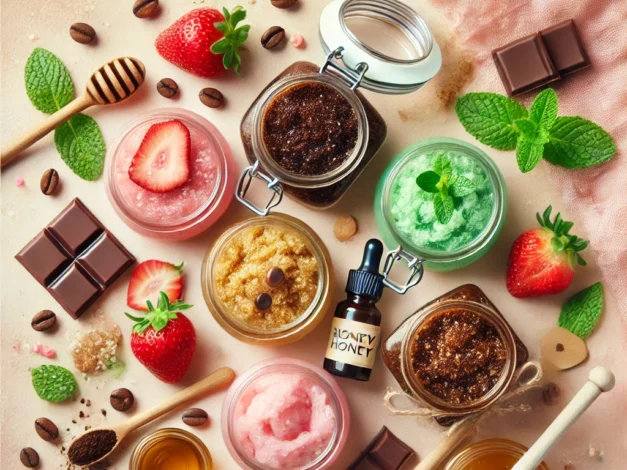
A sharp sting from cracked lip corners upon smiling in the mirror first thing in the morning can often derail your mood before the day even begins. When you attempt to apply your favorite matte lipstick, dry, flaky skin makes the lip surface appear rough and uneven.
The most effective method for self-treating dry lips involves a combination of humectant hydration from pure honey, emollient fatty acid protection from virgin coconut oil, and gentle physical exfoliation using fine granulated sugar dissolved in olive oil. This phased approach restores moisture to the lip mucosa without compromising the delicate epithelial tissue.
Physiological Characteristics of Lip Skin and Triggers for Dryness
Unlike facial skin, which has numerous protective stratum corneum layers, the epithelial layer on human lips consists of only three to five transparent cell layers. This extremely thin structure allows the underlying capillary blood vessels to show through, giving your lips their natural reddish hue.
Lips also lack sebaceous glands that produce natural oils and sweat glands to maintain independent moisture. This anatomical condition causes lips to lose water three times faster than other facial areas, especially when exposed to air conditioning or harsh weather.
Another factor that frequently exacerbates dryness is the reflexive habit of licking lips when they feel tight. The enzymes amylase and maltase present in saliva are actually designed for food digestion; when they adhere to the lips, these enzymes can erode the skin’s natural protective barrier.
Three Natural Home Remedies to Restore Lip Moisture
Addressing peeling lips doesn’t always require purchasing high-priced skincare products laden with synthetic preservatives. The following three natural ingredients work harmoniously with your lip tissue’s biology:
The first ingredient is virgin coconut oil, rich in lauric acid and capric acid. These medium-chain lipid molecules can penetrate the intercellular spaces of the lip epidermis, creating a waterproof protective layer that locks in hydration overnight.
The second ingredient is pure honey, without added sweeteners, which acts as a natural humectant and an antimicrobial agent. The fructose and glucose content in honey draws moisture particles from the ambient air into the lip membrane, while the enzyme glucose oxidase helps prevent bacterial infections in lip fissures.
The third ingredient is a mechanical exfoliator made from a mixture of fine granulated sugar and first-press extra virgin olive oil. Gentle sloughing of dead skin cells stimulates the renewal of new, plumper, and brighter cellular tissue.
| Natural Ingredient | Key Active Compounds | Biological Function on Lips | Application Time & Frequency |
|---|---|---|---|
| Virgin Coconut Oil (VCO) | Lauric acid, medium-chain triglycerides | Protective emollient and moisture sealant | Every night before bed and when lips feel dry |
| Pure Organic Honey | Fructose, glucose, glucose oxidase enzyme | Moisture-attracting humectant and lip wound antiseptic | Compress for 15 minutes, 2-3 times per week |
| Sugar & Olive Oil Scrub | Fine sucrose crystals, oleic acid, squalene | Dead cell exfoliation and texture softener | Maximum 1 time per week with gentle massage |
| Pure Aloe Vera Gel | Asemannan polysaccharides, Vitamin C | Soothes stinging and skin inflammation | Apply a thin layer when lips feel hot or burned |
Common Mistakes That Slow Lip Recovery
Caring for inflamed lips requires diligence in ceasing damaging habits. Forcefully pulling off peeling lip skin with fingernails or teeth can tear capillary blood vessels, leading to darkened scars.
Another mistake is using toothpaste containing high concentrations of the detergent Sodium Lauryl Sulfate (SLS). The lather from this detergent, when it contacts the lips, can strip away protective lipids, causing contact dermatitis or chronic angular cheilitis (cracked corners of the mouth).
Insufficient daily fluid intake is also a fundamental trigger for internal dehydration, which is clearly reflected on the lip surface. Meeting the requirement of two liters of water daily is a non-negotiable foundation that no topical moisturizer can replace.
Fatmawati Tahir — Practitioner & Beauty Editor, Salwa Salon: When lips are severely peeling and bleeding, avoid all types of physical scrubs, whether sugar-based or from a toothbrush. Apply a thick layer of virgin coconut oil combined with honey, then compress with a warm, damp towel for ten minutes to allow dead skin to soften naturally without causing new trauma.
To understand holistic skin tissue health maintenance techniques in dry environments, you can read our comprehensive guide on caring for dark and dry lips.
Practical Steps for Weekly At-Home Lip Care
To consistently maintain your lips’ moisture and natural rosy tone, implement the following regular steps into your self-care routine:
- Exfoliation Step: Mix half a teaspoon of fine granulated sugar with three drops of olive oil, then gently massage in a circular motion onto damp lips for one minute.
- Rinse Thoroughly Step: Rinse lips with lukewarm water and gently pat dry with a clean cotton towel, avoiding harsh rubbing.
- Nourishing Mask Step: Apply pure honey evenly and leave on for fifteen minutes before rinsing lightly.
- Overnight Sealant Step: Apply virgin coconut oil as a final step to seal in all the moisture and nourishment while you sleep.
Discipline in adopting these simple habits will restore your lips’ softness without relying on expensive synthetic chemical formulas. Healthy lips provide the perfect canvas for any makeup look you desire.
Frequently Asked Questions (FAQ)
Does licking dry lips help moisturize the surface?
No, licking lips actually exacerbates dryness because the digestive enzymes in saliva will erode the natural protective barrier as the fluid evaporates.
How often can natural lip scrubs be used per week?
Use lip scrubs a maximum of once per week to prevent over-thinning or painful irritation of the delicate epithelial cell layer.
Can coconut oil be used with matte lipstick?
Yes, apply a thin layer of coconut oil ten minutes before applying lipstick, then blot with a tissue to remove excess oil so the lipstick adheres smoothly.
When should cracked lips warrant a visit to a dermatologist?
Consult a doctor if lip cracks do not heal after two weeks, if pus, severe swelling, or intense pain that interferes with eating develops.



Tinggalkan Balasan