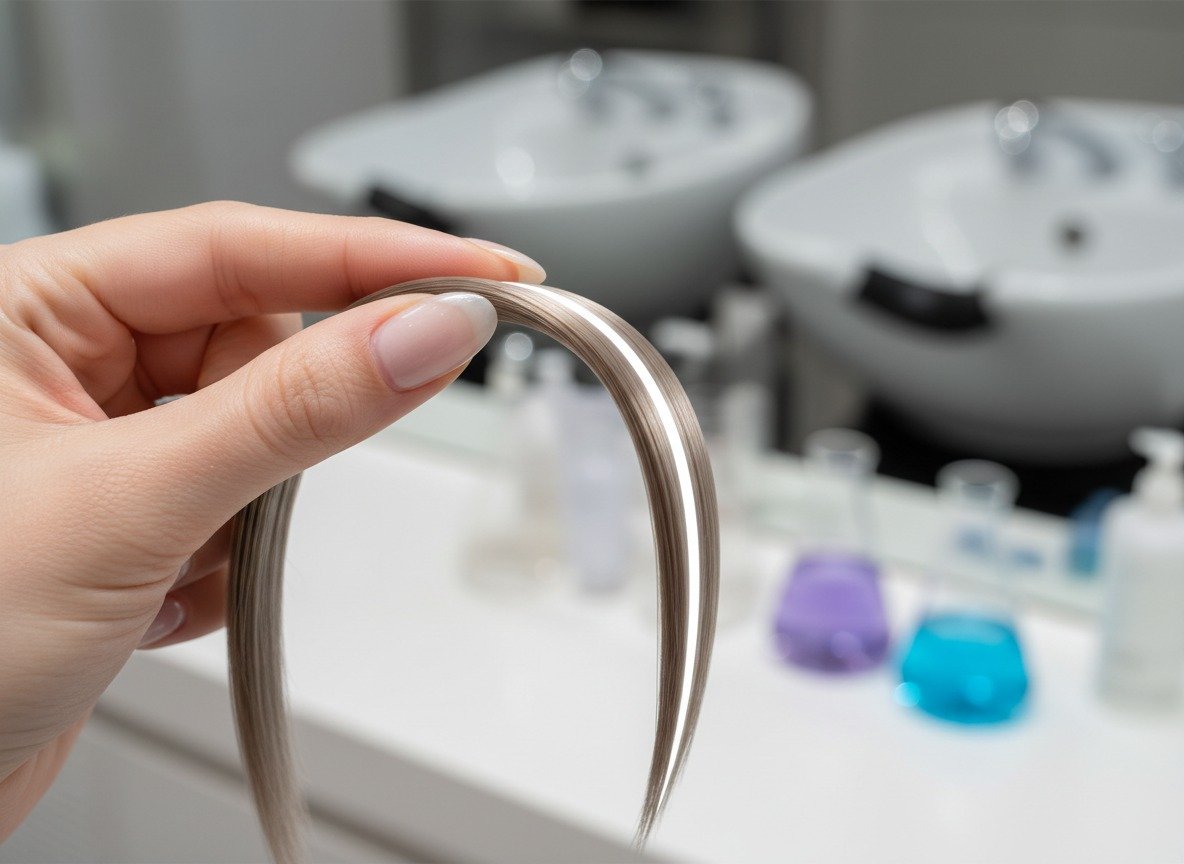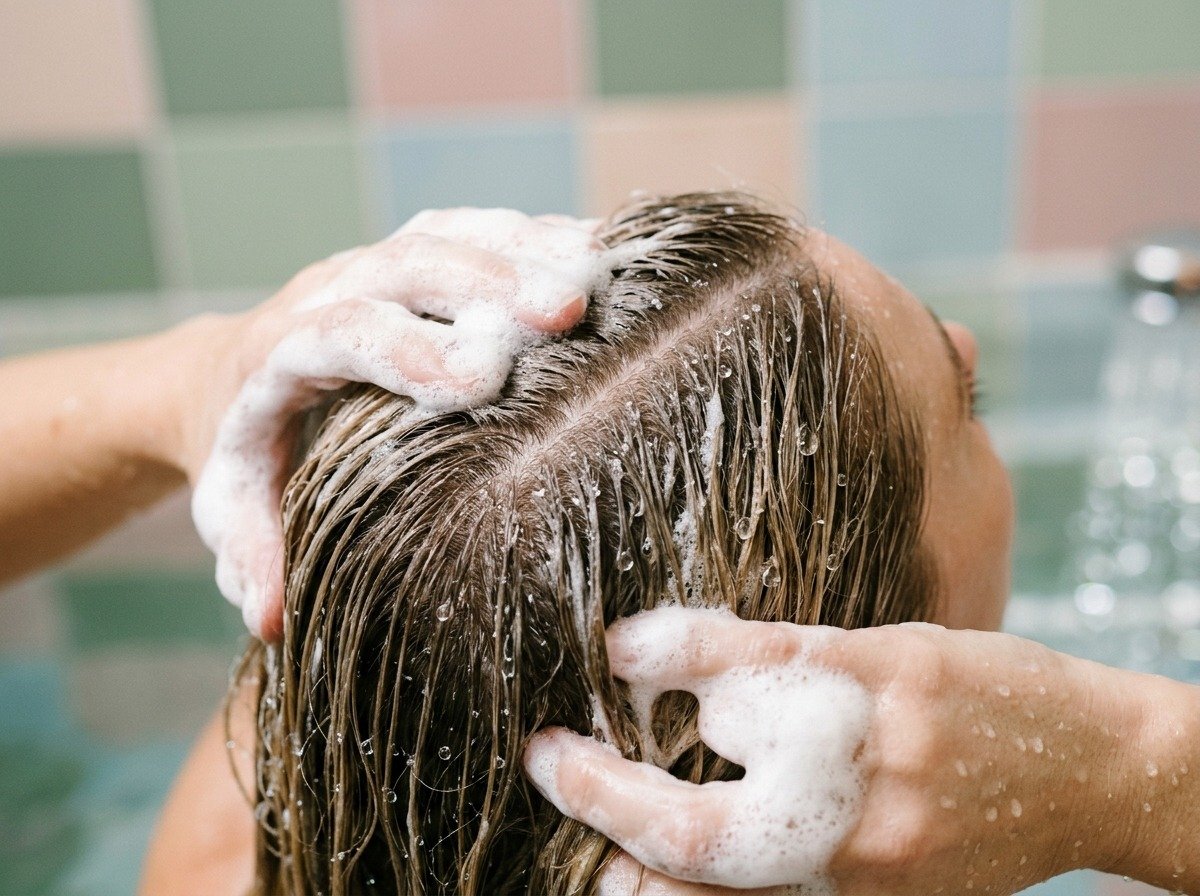
Prematurely graying hair, or white hair at a young age, can be attributed to various factors. Some of the primary causes of early graying include:
- 4.1 Biotin
- 4.2 Saw Palmetto
- 4.3 Multivitamins
- 4.4 Ginkgo Biloba
- 5.1 Hair Coloring
- 5.2 Keratin Treatment
- 5.3 Scalp Massage
- 5.4 Hair Spa
Genetic Predisposition?
Genetic factors and heredity play a significant role in determining the age at which gray hair appears. If parents experienced premature graying, there’s a higher likelihood their children will too. Certain ethnicities or races also possess a genetic predisposition for faster hair whitening.
Stress?
Elevated stress levels can accelerate the onset of gray hair. Stress triggers the body to produce excessive cortisol. This hormone can disrupt melanin production, the natural pigment responsible for hair color. Consequently, hair loses its pigment and whitens prematurely.
Nutritional Deficiencies?
A deficiency in certain vitamins, minerals, and nutrients such as vitamin B12, biotin, copper, and antioxidants can trigger premature graying. These nutrients are essential for melanin synthesis and protecting hair from oxidative damage.
Pollution and UV Exposure?
Excessive exposure to air pollution and UV radiation can increase the production of free radicals, which damage hair. These free radicals attack melanin, accelerating hair whitening. Smoking is also linked to an increased risk of premature graying.
The Impact of Stress on Hair Health
Prolonged stress can have detrimental effects on hair health. When the body experiences stress, the adrenal glands release increased levels of cortisol.
Excessive cortisol can accelerate the hair growth cycle, leading to faster hair shedding. Furthermore, cortisol can inhibit melanin production, the natural pigment that imparts dark color to hair.
This lack of melanin is what causes hair to turn white or gray. Chronic stress can also weaken hair follicles, making them more prone to shedding. As a result, hair may grow shorter and whiten more rapidly.
Therefore, effective stress management is crucial to prevent the onset of premature graying. Incorporate relaxation techniques such as yoga, meditation, or regular massage therapy. Minimize excessive stress from work or personal issues. By managing stress, you can slow down the hair aging process.
The Role of Antioxidants and Vitamins
Antioxidants play a vital role in protecting hair follicles from free radical damage. Free radicals are unstable molecules that can harm hair cells and accelerate aging.
Key antioxidants essential for hair health include vitamin C, vitamin E, selenium, and lycopene. These antioxidants can be obtained from brightly colored fruits and vegetables like oranges, strawberries, spinach, and tomatoes.
In addition to antioxidants, B vitamins are necessary for promoting melanin production, which gives hair its color. B-complex vitamins such as B5, B6, B7, B9, and B12 are found in nuts, seeds, eggs, meat, and fish.
Minerals like zinc and copper are also involved in melanin pigment formation. Deficiencies in these minerals can lead to premature hair depigmentation. Sources of zinc and copper include sunflower seeds, nuts, dark chocolate, and shellfish.
Ensuring adequate daily intake of antioxidants, B-complex vitamins, zinc, and copper can help protect hair from oxidative damage and maintain its natural pigmentation.
Natural Hair Masks
Natural masks made from ingredients like herbs and fruits can help slow down hair aging and prevent premature graying. Here are some natural mask recipes to consider:
Ginger and Lemon Mask
Ginger contains antioxidants that can protect hair from free radical damage, while lemon is rich in vitamin C, which strengthens hair.
How to prepare:
- Grate 1 inch of ginger.
- Squeeze the juice from 1/2 lemon.
- Combine the grated ginger and lemon juice.
- Apply to hair, leave for 15-20 minutes.
- Rinse with warm water.
Green Tea Mask
Green tea is abundant in antioxidants that combat graying-inducing free radicals. It also contains vitamin E, which moisturizes hair.
How to prepare:
- Steep 2 tablespoons of dried green tea leaves in hot water.
- Allow to cool.
- Apply to hair, leave for 30 minutes.
- Rinse thoroughly.
Turmeric and Coconut Mask
Turmeric contains curcumin, which acts as an antioxidant. Coconut oil provides lauric acid, which helps moisturize dry hair.
How to prepare:
- Grind 2 inches of turmeric and 1/2 portion of coconut flesh.
- Add 1 tablespoon of honey.
- Apply to hair, leave for 20 minutes.
- Rinse thoroughly.
Temulawak and Honey Mask
Temulawak (Javanese ginger) is rich in antioxidants that can slow aging, while honey provides moisturizing nutrients for hair.
How to prepare:
- Thinly slice 1 inch of temulawak.
- Boil with 2 cups of water until it simmers.
- Add 1 tablespoon of honey.
- Let it cool to lukewarm, then strain.
- Apply to hair, leave for 30 minutes.
- Rinse thoroughly.
Supplements for Hair Health
One effective strategy to combat premature graying is by incorporating supplements that strengthen hair and prevent whitening. Several supplements have demonstrated significant benefits:
Biotin
Biotin, also known as vitamin B7, is a crucial B-complex vitamin essential for hair growth. Biotin deficiency can lead to brittle and falling hair. Biotin aids in keratin production, the primary protein component of hair. High-dose biotin supplements are recommended for preventing and treating graying hair.
Saw Palmetto
Saw palmetto, derived from the fruit of a palm native to the United States, is rich in antioxidants. It is known to inhibit the enzyme 5-alpha-reductase, which triggers the production of DHT, a hormone that can damage hair follicles. Saw palmetto can help slow graying by mitigating DHT’s effects on hair.
Multivitamins
Multivitamins containing various B-complex vitamins are vital for hair health. Deficiencies in nutrients like biotin, niacin, vitamin B6, and B12 are associated with accelerated graying. Multivitamins help fulfill the hair’s essential vitamin and mineral requirements.
Ginkgo Biloba
Ginkgo biloba is rich in antioxidant flavonoids and terpenoids that combat free radicals responsible for cellular damage. It can slow premature aging and prevent oxidative stress on hair follicles. This supplement may also enhance scalp blood circulation, stimulating new hair growth.
Salon Treatments for Graying Hair
Hair salons offer a range of specialized treatments designed to conceal gray hair while nurturing and strengthening existing strands. Consider these salon treatment options:
Hair Coloring
Hair coloring is the most common method for covering gray hair. Options range from permanent and semi-permanent to temporary color applications. Semi-permanent coloring is often recommended as it typically avoids ammonia and harsh chemicals. The color gradually fades over several weeks.
Keratin Treatment
Keratin treatments can significantly improve hair texture and strength. Keratin is a natural protein that forms the outer layer of hair. This treatment helps lock in moisture, resulting in healthier, more lustrous hair.
Scalp Massage
Scalp massages enhance blood circulation to the hair follicles, strengthening hair roots and preventing hair loss. Massage can also alleviate stress, a contributing factor to premature graying. Incorporating essential oils can provide aromatherapy benefits and promote relaxation.
Hair Spa
A hair spa effectively cleanses the scalp and hair, removing impurities and styling product residue. This is crucial for maintaining healthy, inflammation-free hair follicles. Hair spas also hydrate dry, brittle hair prone to damage and loss. Opt for hair spas featuring natural ingredients like fruits, vegetables, or essential oils.
Dietary Modifications
One of the most effective natural approaches to prevent and manage premature graying is by adopting a healthier diet. Key dietary considerations for hair health include:
-
Increase Antioxidant Intake: Antioxidants are vital for protecting hair from free radicals that can trigger graying. Rich sources include brightly colored fruits and vegetables such as berries, tomatoes, carrots, spinach, kale, and more.
-
Reduce Processed Foods: Avoid processed foods, fast food, and junk food. These items are typically high in fats, salt, and preservatives that can compromise hair health.
-
Consume Animal and Plant Protein: Adequate protein intake is essential for healthy hair growth. Include eggs, dairy, meat, fish, tofu, tempeh, legumes, and other sources of both animal and plant-based protein.
A balanced and healthy diet provides the necessary nutrients for hair, helping to ward off premature graying. Minimize processed foods and prioritize antioxidants and protein for vibrant, dark hair.
Regular Exercise
Regular physical activity can help prevent and manage premature graying through several mechanisms:
-
Enhances Scalp Circulation: Aerobic exercises like walking, cycling, swimming, or running increase heart rate, improving blood flow throughout the body, including the scalp. Good circulation delivers oxygen and nutrients to hair follicles, promoting stronger hair growth.
-
Reduces Stress: Physical activity stimulates the production of endorphins, which promote relaxation. Regular exercise can lower stress hormones like cortisol, a contributor to gray hair. Maintaining low stress levels can slow down the hair aging process.
-
Strengthens Hair: Exercise aids the body in producing keratin, a crucial protein that forms hair structure. It also encourages healthier hair growth by improving blood flow to the follicles. Stronger hair is more resilient to damage that can lead to graying.
Aim for 30-45 minutes of moderate-intensity exercise daily to reap hair health benefits. Choose enjoyable aerobic activities like cycling, swimming, or yoga to reduce stress and naturally prevent premature graying.
Avoid UV Exposure
Ultraviolet (UV) radiation from the sun is a significant factor that can accelerate skin and hair aging. Excessive UV exposure can damage hair follicles and hasten the appearance of gray hair.
Here are several strategies to mitigate excessive UV exposure:
-
Use a broad-spectrum sunscreen with an SPF of 30 or higher whenever you go outdoors. Apply it to your scalp and hair to protect against UV rays. Opt for sunscreens specifically formulated for hair.
-
Wear a wide-brimmed hat or cap when engaging in outdoor activities, especially between 10 AM and 4 PM when UV radiation is most intense. Hats shield hair and scalp from direct sunlight.
-
Limit your time spent in direct sunlight. Seek shaded areas or stay indoors during peak UV hours.
-
Avoid drying your hair directly in the sun. It’s preferable to use a hairdryer or air-dry your hair in a shaded area.
-
Incorporate regular salon treatments that include UV-protective hair products.
By avoiding excessive sun exposure, you can effectively slow down the premature aging process of your hair and prevent the onset of graying.
When to Consult a Doctor
Sudden and rapidly spreading gray hair warrants attention, as it could be indicative of an underlying medical condition. Consult a physician in the following scenarios:
-
Sudden and Rapidly Spreading Gray Hair: If gray hair appears suddenly within a short period and spreads throughout the scalp, seek medical advice. This could signal hormonal imbalances or autoimmune disorders.
-
Accompanied by Other Symptoms like Hair Loss: If graying is accompanied by other symptoms such as significant hair loss, inflamed scalp, itching, or pain, consult a doctor immediately. This could indicate a skin condition or infection.
-
History of Autoimmune Diseases: Individuals with a personal or family history of autoimmune diseases like lupus, vitiligo, or thyroid conditions should be vigilant about premature graying. Consult a doctor to rule out any autoimmune disease complications.
If your graying hair is accompanied by any of the aforementioned symptoms, do not hesitate to consult a healthcare professional. Further examination can help determine the precise cause and provide appropriate treatment if necessary. Early detection is key to preventing more serious health issues.