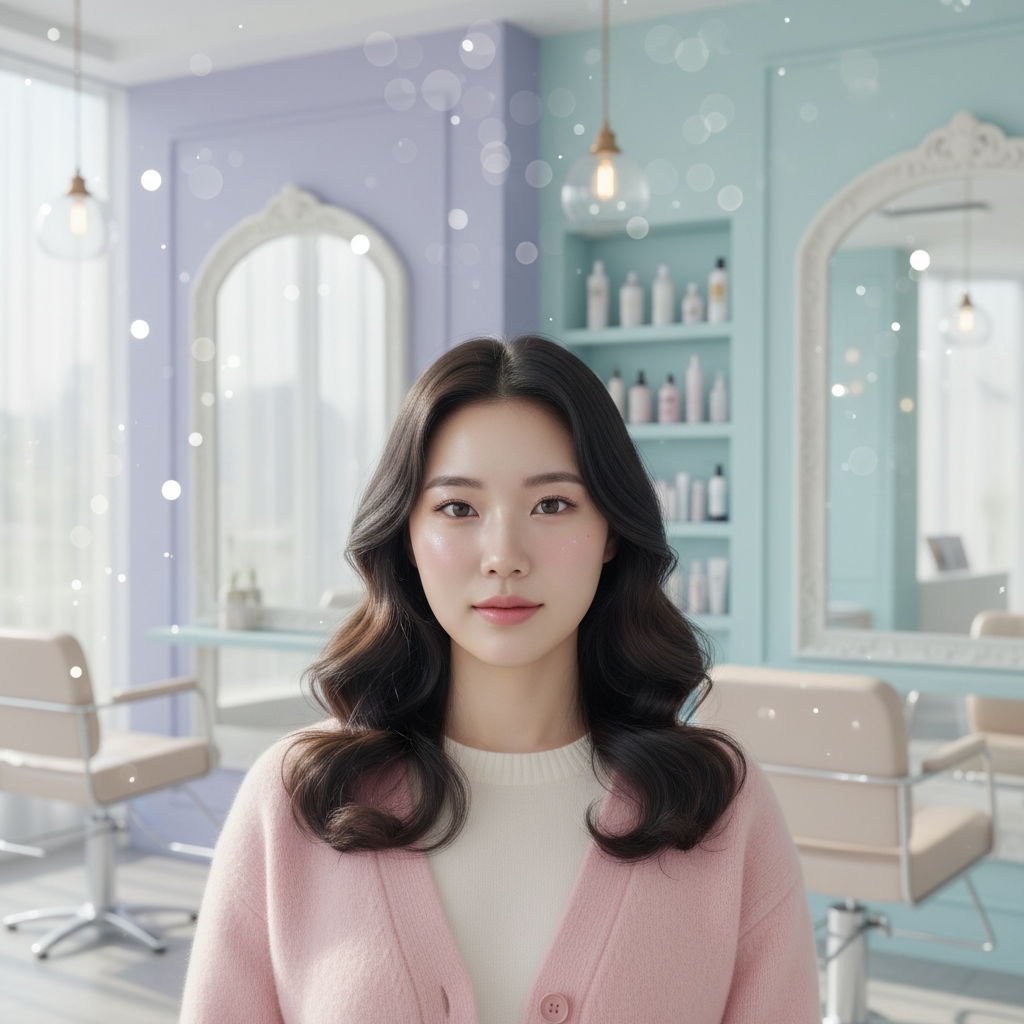
Hello Salwa Besties and Hello Bros! Modern society’s growing awareness of self-care, skin health, and representative fashion has propelled the national beauty and fashion industries to unprecedented heights over the past decade. Urban lifestyles that increasingly value relaxation time have transformed beauty salon services and modest fashion curation from mere seasonal tertiary needs into stable, monthly routines with significant market turnover.
For aspiring entrepreneurs with a deep passion for aesthetics, the current market dynamics present a golden opportunity to transform this interest into a structured, profitable, and sustainable business. However, venturing into the beauty services and fashion retail industries requires more than just financial capital and a keen visual aesthetic. A comprehensive understanding of target market analysis, operational sanitation standardization, professional therapist management, and customer loyalty retention strategies is essential. Let’s delve into a strategic guide for launching a business in the beauty and modest fashion sectors!
Market Potential Analysis for Beauty and Modest Wear Businesses
1. High Demand for Muslimah-Exclusive Salons and Private Hair Spas?
The majority of veiled women in Indonesia face challenges when seeking hair treatments at public salons. The need for private, enclosed treatment spaces that uphold Islamic privacy standards creates a highly loyal and rapidly expanding niche market. Offering services such as hair loss treatments, herbal aromatherapy creambaths, and haircuts in private Muslimah rooms provides a significant competitive advantage.
2. Curating Modest Fashion with Clean-Cut Designs and Natural Fibers?
Contemporary modest fashion consumers are shifting away from heavily embellished styles towards clean-cut silhouettes, earth-toned palettes, and breathable natural fiber fabrics like rayon cotton and premium linen. Offering apparel that is comfortable for daily work mobility yet elegant for formal occasions ensures rapid inventory turnover.
3. Integrating Home-Care Treatment Product Sales?
A substantial revenue stream for professional salon businesses is the retail of at-home follow-up products. Clients who are satisfied with their in-salon hair or facial treatments will readily purchase recommended specialized shampoos, herbal hair tonics, or moisturizing serums to continue their care at home.
Strategic Steps to Building a Credible Salon Operation
1. Standardizing Hygiene Standard Operating Procedures (SOPs)?
Customer trust in the beauty services industry is built on cleanliness. Implement stringent sanitation protocols: sterilize scissors and combs using a dual UV sterilizer after each use, provide fresh, single-use towels for every client, and ensure constant fresh air circulation in the salon, free from harsh chemical odors.
2. Training Therapists in Communication Skills and Professionalism?
Therapists are not just technical operators; they are the face of your brand. Provide regular training on customer reception etiquette (hospitality), proper head massage techniques that avoid neck strain, and the ability to objectively diagnose clients’ scalp conditions without pressuring product sales.
3. Digital Marketing Focused on Solutions and Tangible Results?
Leverage social media platforms like Instagram and TikTok to share before-and-after treatment transformation videos, hair health educational content, and genuine customer testimonials. Accurately list your salon’s location on Google Maps and actively manage five-star reviews.
Standardizing Clinical Hygiene and Salon Client Retention:
“In building a sustainable beauty salon business, the greatest challenge is not merely attracting new clients but maintaining a high repeat client rate. A salon’s success hinges on standardizing equipment hygiene SOPs—such as dual autoclave sterilization and linen sanitization—and therapists’ competence in assessing clients’ biological skin and scalp conditions. At Salwa Salon, we’ve proven that transparency in halal product ingredients and honest aftercare education are far more effective in building brand loyalty than price wars.” — Fatmawati Tahir
A Phased Approach to Launching Your Salon Business
- Start with Focused Signature Services: Avoid offering every conceivable service from the outset. Begin with the treatments you excel at, such as specialized relaxation creambaths and hair coloring, before expanding to nail or facial care divisions.
- Choose a Strategic Location with Easy Parking Access: A quiet location, free from severe traffic congestion, and with secure parking is highly favored by female clients seeking a tranquil me-time experience.
- Utilize a Cloud-Based Point-of-Sale (POS) System: Employ digital POS software to record customer treatment histories, monitor product inventory levels in real-time, and automatically analyze monthly profit and loss reports.
- Develop a Customer Loyalty Program: Offer membership cards with reward points or discount vouchers for treatments after the fifth visit to encourage regular patronage.
Frequently Asked Questions About Salon and Modest Fashion Businesses (FAQ)
What is the minimum initial capital required to start a small-scale beauty salon?
For a mini salon studio with 2 to 3 treatment chairs, initial capital can range from approximately $2,000 to $3,500 USD, allocated for initial rent, minimalist interior renovation, hydraulic salon chairs, washbasins, drying equipment, and a stock of BPOM-registered (Indonesian FDA equivalent) product ingredients.
How can a new salon compete with large franchise salon chains?
Focus on the personal touch and intimate service experience that large franchises often lack. Therapist friendliness, a calm atmosphere without crowded queues, and genuine personalized consultations are unique advantages sought by loyal customers.
Why is therapist skill certification crucial in the beauty services business?
Certification ensures that therapists understand workplace safety, scalp anatomy, fungal infection prevention sanitation, and precise handling of hair coloring chemicals, thereby protecting the salon from malpractice complaints that can damage its reputation.




Tinggalkan Balasan