As we enter an era of rapid automation, many beauty business owners worry that artificial intelligence and self-care devices will displace the role of physical treatment spaces. While digital facial scanners and product recommendation algorithms offer data efficiency, they often fail to provide the sense of calm and genuine care that clients seek when they step through the salon doors.
The "high-touch" of human expertise is a cornerstone of salon business sustainability that advanced "high-tech" cannot replace. A therapist's empathetic sensitivity, direct diagnosis through tactile tissue assessment, and warm interpersonal conversation create an emotional bond of trust that is a true differentiator in today's market.
The Evolution of the Beauty Industry: Between Automation and Emotional Connection
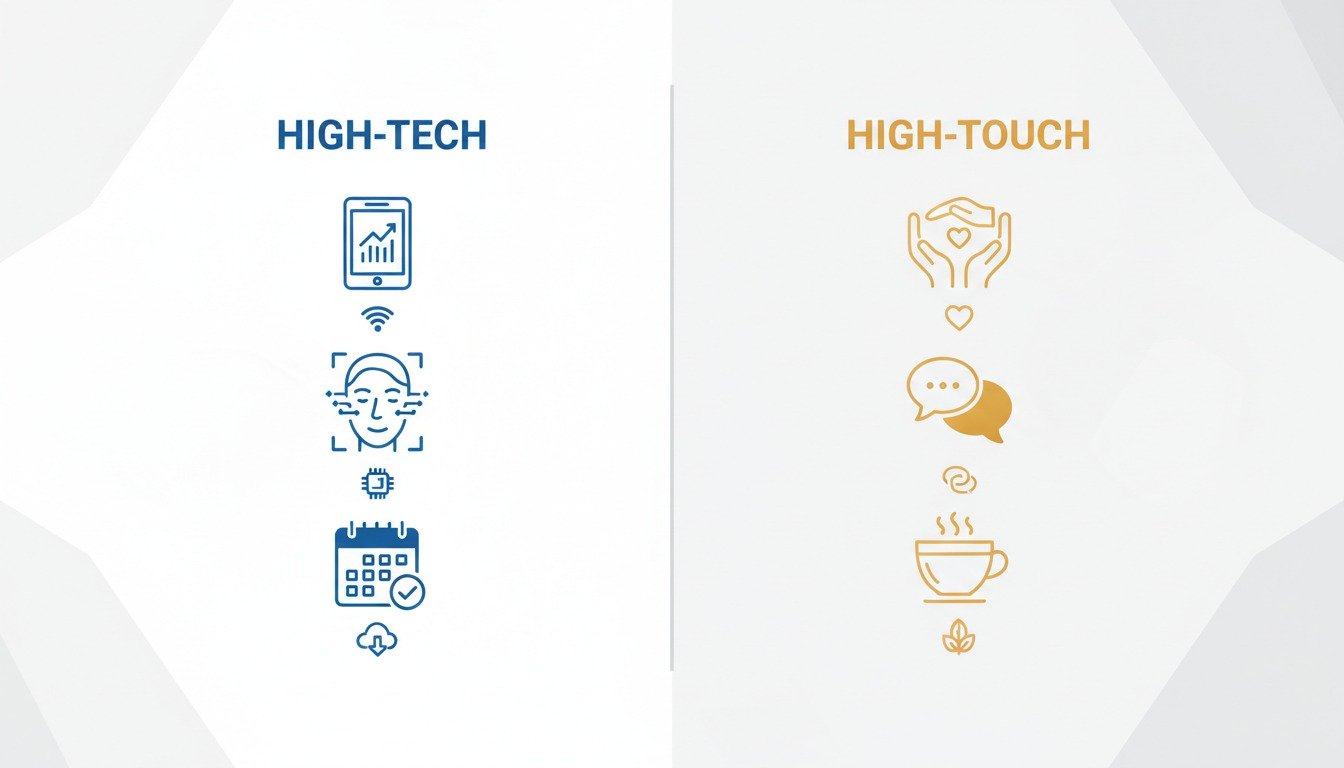
Jane Wurwand, founder of Dermalogica and a leader in the professional skincare industry for decades, emphasizes that the more technology is adopted in an era, the greater humanity's longing for meaningful physical touch becomes. Modern consumers aren't just buying products or services for pore cleansing; they are seeking a respite from the digital overload of their routines.
AI-driven diagnostic tools can precisely map pigmentation levels or pore size with mathematical accuracy. However, these machines cannot feel the muscle tension around a client's temples or detect the anxious tone when they discuss their hormonal acne concerns.
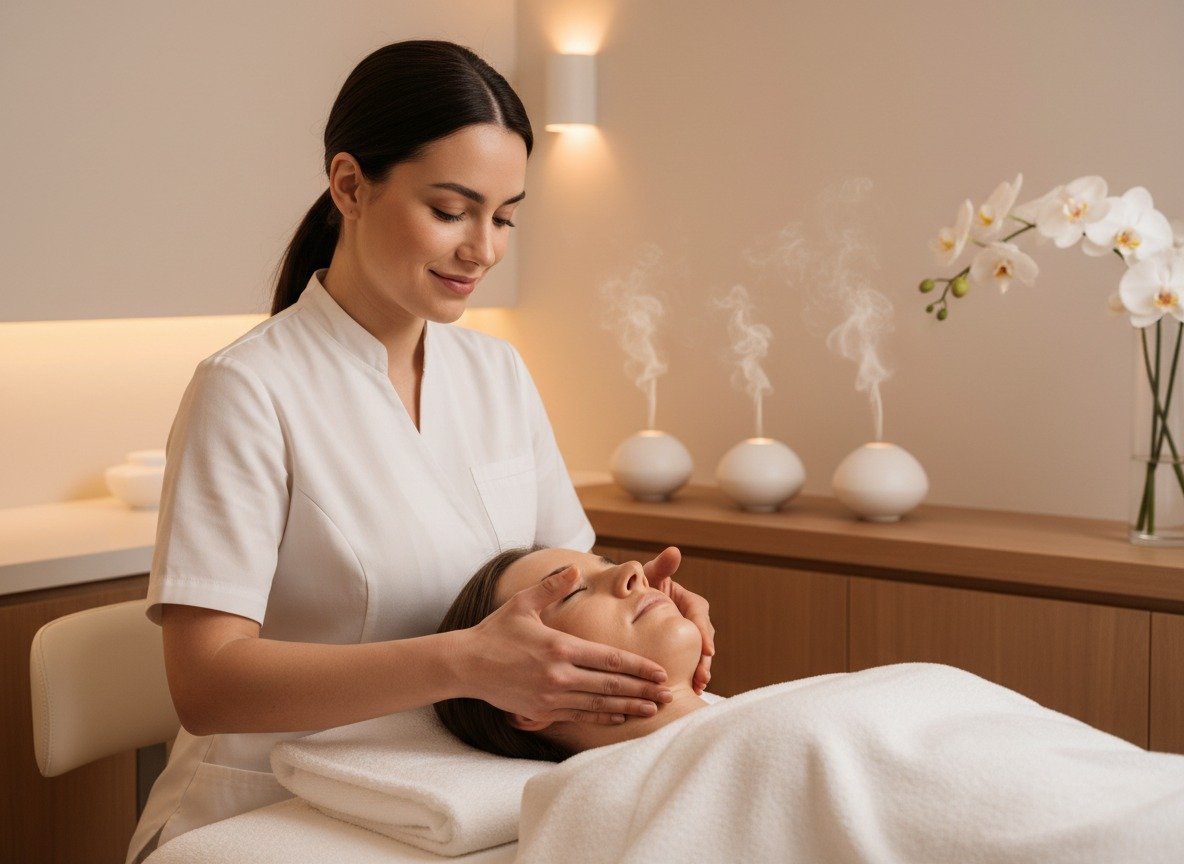
When a client lies on the treatment bed, the positive energy transfer through a therapist's touch is proven to stimulate the release of oxytocin. This hormone works to reduce nervous system tension, creating a holistic treatment experience that is impossible to replicate with at-home self-care gadgets.



Tinggalkan Balasan