
Hair loss is a common occurrence. Medically, hair shedding is still considered normal as long as the amount doesn’t exceed 100 strands per day. Lost hair is replaced by new hair follicles that will grow on the scalp within approximately seven months.
However, what if hair loss occurs suddenly and becomes severe? Don’t worry! We’ll discuss the causes of severe hair loss and how to address it.
So, what exactly is hair loss? Hair loss occurs when hair roots detach from the scalp. This is generally caused by a person’s health condition, stress, hormonal changes, an unhealthy lifestyle, or genetic factors.
If not managed properly, this condition can persist for months or even years, leading to a phase of severe hair shedding.
How can we tell if our hair is experiencing severe loss? There are several significant signs, including:
1. Excessive hair shedding when brushing.
2. Significant hair loss during shampooing.
3. Numerous hair strands scattered on the bed or floor.
If you’re experiencing these signs, there are several steps you can take to manage this severe hair loss.
So, don’t panic if you’re experiencing severe hair loss. There are many ways to tackle this issue. Most importantly, maintain the health of your hair and scalp, avoid excessive stress, and consult a professional if needed.
What are the Causes of Severe Hair Loss?
So, why does severe and prolonged hair loss occur? There are many reasons for your hair to shed excessively. Let’s delve into the explanations so you can change bad habits and improve your hair care routine.
1. The Habit of Tying Hair Too Tightly.
One of the reasons for significant hair loss is a daily habit: tying your hair! This can weaken hair roots. The hair shaft can also become brittle and break off. This is also a common reason for hair loss among women who wear hijabs.
Even with treatments, your severe hair loss won’t improve if you maintain this habit, Hair Bae!
It’s best to avoid tying your hair too tightly and try using scrunchies or elastic hair ties. Alternatively, for added volume, you can use hair rollers!
2. Air Pollution.
You might wonder why people who are active outdoors often experience severe hair loss. Unbeknownst to you, air pollution (from exhaust fumes to street dust) can severely damage your hair.
Notice how hair exposed to pollution and free radicals quickly becomes dull, oily, dry, and eventually sheds.
3. Harsh Shampoo Formulas.
Many people think all shampoos are the same; they all just wash hair. However, an unsuitable shampoo can be a cause of continuous hair loss. Conversely, shampoos with specific ingredients can be a way to manage your severe hair loss.
For some individuals, certain shampoo formulas can cause scalp irritation (undetected). Others can directly lead to a dry scalp. This is why hair can shed gradually. Hair follicles can be damaged, and hair roots weakened.
4. Fungal and Bacterial Infections.
Fungi are always present on the scalp; this is normal. The problem arises when fungal growth becomes uncontrolled, leading to hair loss and dandruff.
Generally, fungal and bacterial infections occur due to several factors. This can be due to stress, poor nutrition, or an imbalanced scalp microbiome.
To maintain scalp health, you can use a gentle, anti-dandruff shampoo.
5. Excessive Heat Styling (Blow-Drying and Flat Ironing).
Frequent use of hairdryers and flat irons can cause hair loss to double. This is because styling activities unknowingly pull on the hair roots.
6. Frequent Hair Coloring.
The chemical process of coloring hair (especially bleaching) inevitably impacts hair health. If not cared for, hair will become dry, damaged, and split. Furthermore, if you frequently change your hair color, your dry hair will become brittle and break off.
It’s advisable to wait 2-3 months before recoloring.
7. Anemia.
Severe hair loss can be a signal that your body is deficient in iron, i.e., anemia. How is this possible? Essentially, blood or hemoglobin (Hb) is responsible for transporting oxygen throughout the body, including to the hair.
If oxygen supply is not adequately distributed to the hair roots, the hair will naturally become brittle and prone to shedding. To address excessive hair loss due to anemia, consume healthy foods, vitamin C, and consider taking iron supplements regularly.
8. Extreme Diets.
Nutritional imbalance is one reason for severe hair loss. When eating patterns are irregular and nutrient intake is not maintained, it can affect overall health. One of the first visible signs is the health of the outermost organs, due to hindered nutrient distribution.
Besides dull skin, the most immediate visible effect is dry hair, leading to continuous hair loss. If left unaddressed, this could lead to premature baldness.
9. Stress.
Have you heard stories of hair loss due to stress? Stress is a common, often unnoticed, cause of severe hair loss. Hair loss caused by physical or emotional stress is known as Telogen Effluvium.
Stress hormones affect the hair growth cycle by pushing hair into the telogen (shedding) phase faster than usual. Within weeks, hair will shed simultaneously when you brush or shampoo.
10. Psychiatric Disorders.
Certain psychiatric conditions can lead to a tendency to pull out hair. Trichotillomania is triggered by stress, anxiety, or frustration.
To manage stress, it’s best to consult a psychologist for assistance.
11. Medication Side Effects.
Medical treatments and the consumption of certain medications can also cause severe hair loss. This is typically experienced by epilepsy patients who regularly take sodium valproate.
Additionally, antidepressant medications like fluoxetine, Prozac, imipramine, amitriptyline, and doxepin can also trigger hair loss. The same applies to psoriasis medications, birth control pills, acne medications, ibuprofen, and blood thinners.
12. Thyroid Gland Issues.
The thyroid is an endocrine gland responsible for maintaining hormonal balance and metabolism. If this gland is overactive or functions excessively, you will experience a condition called hypothyroidism.
Hypothyroidism can cause continuous hair loss by making hair thin due to brittleness, dryness, and shedding. Always consume biotin and vitamins, and consult your trusted doctor to minimize hair loss.
13. Autoimmune Diseases (Alopecia Areata).
Severe hair loss accompanied by bald patches is a symptom of a medical condition known as Alopecia Areata. Typically, affected areas include the crown, eyelashes, and eyebrows. Its onset can be gradual and chronic, or sudden.
This usually occurs when the body’s immune system attacks hair follicles. If you notice hair loss from the roots leading to a balding pattern (like a ‘U’ shape), consult a doctor immediately.
14. Hormonal Influences.
Now, this is a significant differentiator in the causes of severe hair loss between men and women. Severe hair loss in women is largely influenced by hormones, especially during pregnancy and postpartum.
Some women experience significant hair loss during pregnancy. Research indicates this condition affects 40-50% of pregnant women worldwide. However, there’s no need to worry, as this phase typically lasts only 3-4 months.
Pregnant women should also avoid brushing their hair too frequently and consult their obstetrician about essential vitamins for severe hair loss, such as vitamin C, biotin, B complex vitamins, vitamin E, and zinc.
15. Genetic Factors (Heredity).
Genetic factors refer to the inherent level of testosterone hormone each person possesses. According to experts, individuals with a family history of baldness or thinning hair are more prone to hormonal changes where testosterone converts to dihydrotestosterone (DHT).
For those unfamiliar, DHT or androgen is a male characteristic hormone that causes hair loss in humans. If produced in large quantities, DHT can potentially lead to premature baldness.
However, don’t worry; balance this with a healthy lifestyle. Maintain a healthy diet, avoid alcoholic beverages, late nights, and excessive stress.
Always use products containing zinc or iron to inhibit DHT production. This can also act as a hair loss treatment.
16. Incorrect Comb Usage.
Why is there so much hair loss? Perhaps you’re using the wrong comb. (Photo: Dennie Ramon)
Who here often has tangled hair? And when it’s tangled, you use your comb aggressively, pulling through it out of frustration. Many don’t realize this can cause hair to be pulled out from the roots.
If your hair is curly or tends to be dry (which is prone to tangling), try using the right type of comb, such as a detangling brush or a wide-tooth comb, as a way to manage severe hair loss.
Also, ensure you don’t comb your hair when it’s wet. Wet hair is very fragile. If combed, it’s highly likely to break off. To avoid this, you can comb your hair before shampooing.
17. DIY Hobbies Without Thorough Shampooing.
Instagram and TikTok are full of DIY beauty tutorials using natural ingredients. These can be beneficial, provided you shampoo thoroughly. This is especially true if you use natural oils.
So, why does severe hair loss occur from this? If residual oil remains, it can clog pores, potentially leading to dandruff and severe hair loss later on.
18. Scalp Too Moisturized When Wearing a Hijab.
The habit of wearing a hijab while hair is still damp is a cause of hair loss for women who wear hijabs. Additionally, choosing the wrong hijab material also contributes to bothersome hair loss.
Damp hair combined with a hot scalp temperature can make your hair shaft feel like it’s in an oven! It’s no wonder your hair will easily break and shed severely.
19. Excessive UV Exposure.
Prolonged exposure to sunlight can damage the keratin layer of the hair. Keratin’s function is to maintain hair health. Damaged keratin? Your hair can become dry and shed.
Managing Severe Hair Loss
First, ensure you maintain the health of your hair and scalp by using appropriate care products and keeping your hair clean. Additionally, it’s crucial to avoid excessive stress and maintain a healthy lifestyle, such as consuming nutritious food and exercising regularly.
Furthermore, several natural ingredients can be used to address hair loss, such as coconut oil, aloe vera, or olive oil. You can apply these ingredients to your scalp and hair regularly to help stimulate new hair growth.
1. Use a Specialized Shampoo for Hair Loss.
Choose products specifically for hair loss. One factor contributing to hair loss is selecting the wrong shampoo for severe shedding.
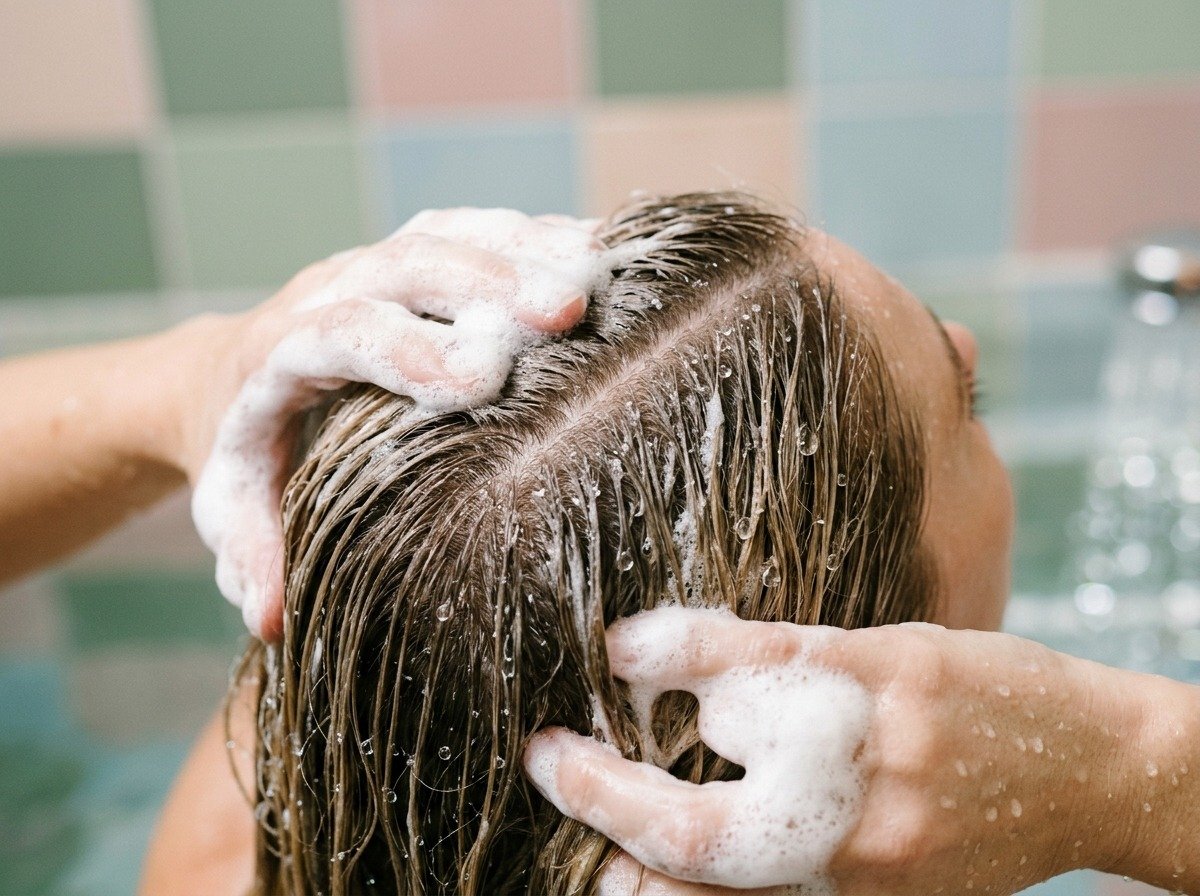
- Lather the shampoo and focus on the scalp.
- Gently massage your scalp to ensure thorough cleansing and optimal absorption of the shampoo formula. Avoid scratching with your nails, as this can damage hair follicles. Hair roots can become weaker and more easily pulled out.
- Rinse your hair thoroughly. Ensure no shampoo residue remains.
- Pat your hair dry. Avoid rubbing your hair, as this can make it more brittle.
- Gently detangle your hair with a wide-tooth comb. This helps reduce excessive friction on the hair shaft.
- Dry your hair on a cool setting. It is highly discouraged to go out with wet hair (especially if you must leave the house). If absolutely urgent, you can use a hairdryer. However, ensure you set it to a cool temperature.
2. Use Hair Tonic.
Incorporate hair tonic as a method to manage excessive hair loss. Hair tonics for hair loss treatment containing Dynazinc and Grapeseed Oil are beneficial.
Apply directly to the scalp, then massage your head in circular motions for a few minutes. This helps improve blood circulation to the scalp, which aids in faster nutrient absorption from the product.
If the hair loss is within a normal range and not due to an underlying medical condition, you can try managing excessive hair loss with natural home remedies.
3. Use a Natural Hair Mask: Olive Oil
There are many natural ingredients you can use to manage severe hair loss and promote hair growth.
- Take 1 tsp of olive oil and whisk it with 1 egg white until thickened.
- Apply to the entire scalp and leave on for 15-20 minutes.
The sulfur and protein content in eggs are beneficial for stimulating hair growth. Perform this treatment 3 times a week for maximum results.
4. Rosemary Oil Mask.
Did you know that rosemary oil has incredible benefits for relieving itchiness and hair loss? Additionally, rosemary oil can combat dandruff and prevent graying.
There are two ways to apply rosemary oil. You can use it directly as a hair mask, or mix it with your daily shampoo or conditioner.
5. Coconut Milk Mask.
Besides coconut oil, coconut milk can also be used as a hair loss treatment ingredient.
Squeeze grated coconut flesh to extract coconut milk.
Apply evenly to the scalp and hair.
Leave it on for several hours and rinse thoroughly.
Besides managing excessive hair loss, this coconut milk mask can also make your hair shiny.
6. Yogurt Mask.
You can use yogurt as a method to manage severe hair loss. The protein, zinc, and lactic acid in yogurt moisturize the scalp and nourish hair roots, thereby reducing shedding.
Follow these two methods. Method one: simply apply evenly to the scalp and all over the hair, then rinse thoroughly with warm water.
Method two: mix yogurt with a natural oil like olive oil. Besides treating hair loss, this concoction can also make hair soft and manageable.
7. Green Tea Mask.
Green tea, rich in antioxidants, can be transformed into an effective hair loss mask. Here’s what you need to do:
- Brew 2-3 green tea bags.
- Once lukewarm, apply to the scalp and hair.
- Leave on for a few minutes and rinse with shampoo.
Consult a Doctor
If your hair loss is worsening and not improving, it’s advisable to consult a doctor or a beauty specialist.
They will provide more specific treatment tailored to your condition. Doctors typically prescribe medication for severe hair loss until your condition improves.

Tinggalkan Balasan