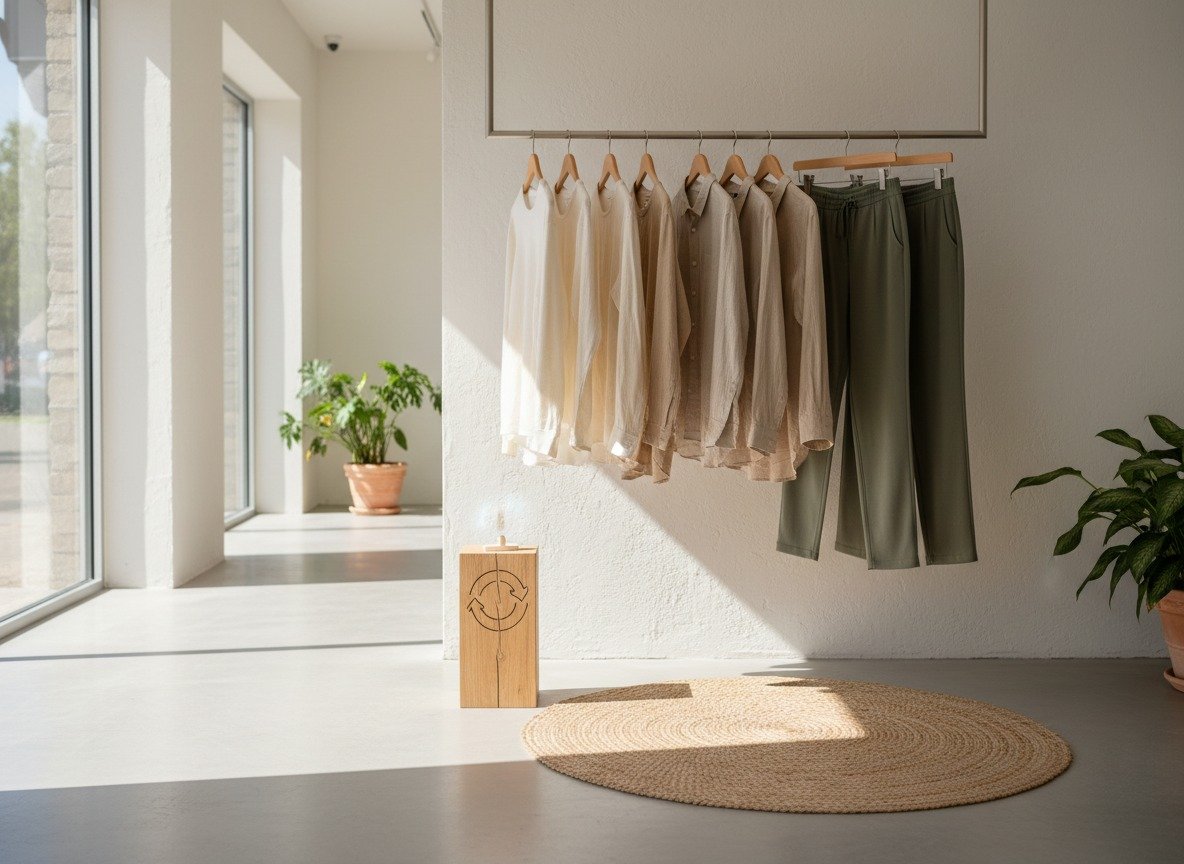
Accumulating seldom-worn clothing in our closets often leads to guilt and confusion when selecting daily outfits. The relentless cycle of fast fashion causes fabric fibers to degrade quickly, ultimately becoming textile waste that pollutes the environment.
- 4.1 What is the fundamental difference between sustainable fashion and fashion circularity?
- 4.2 Why are organic cotton garments more comfortable for sensitive skin in tropical climates?
- 4.3 What is the easiest way for beginners to start a circular lifestyle?
- 4.4 How can I verify if the clothing I purchase is genuinely made from eco-friendly fibers?
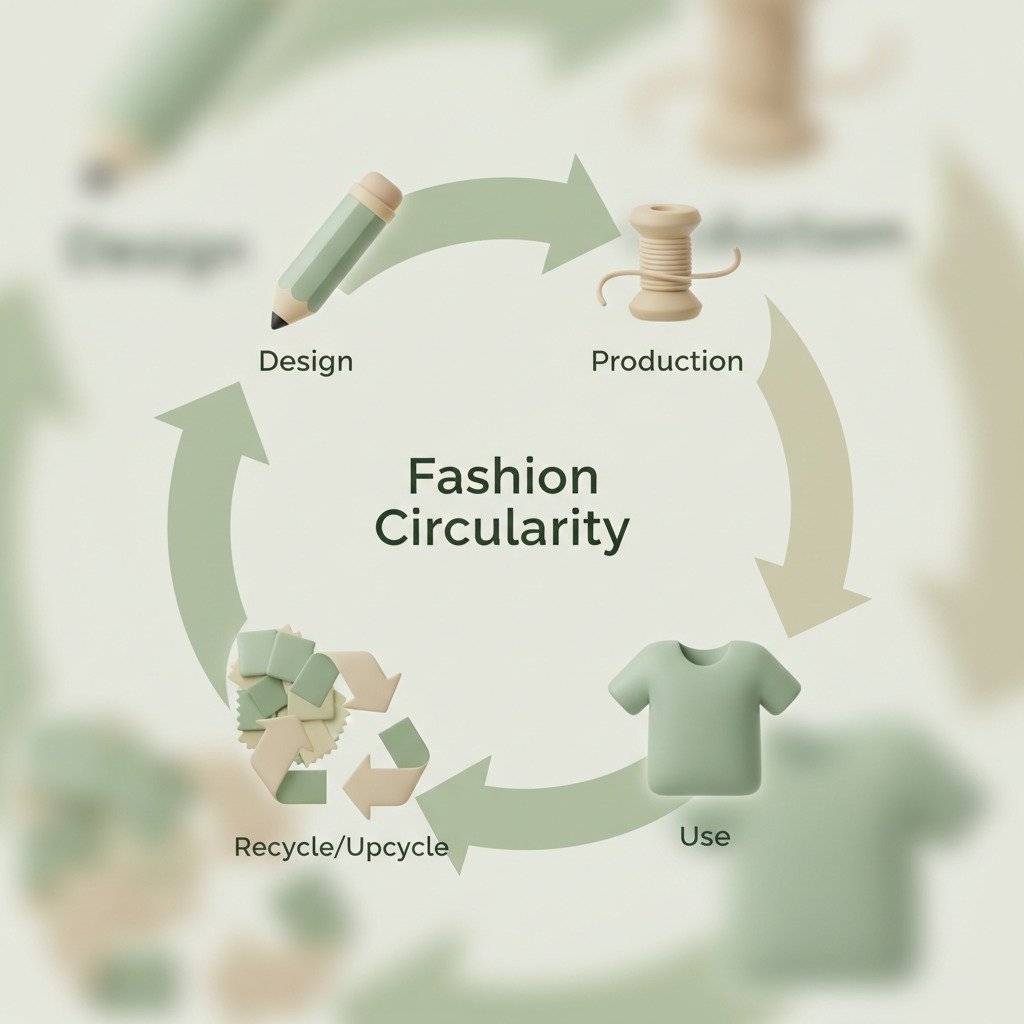
Fashion circularity is an industrial textile system that prioritizes the design of durable apparel, the utilization of recycled materials, and the maintenance of clothing’s lifecycle to minimize production waste and global carbon footprints.
A New Direction for the Global Textile Industry Through Sustainability Policies
The evolution of international regulations is now pressuring the fashion industry to abandon conventional extractive business models. Proposed trade legislation in the United States, such as the Americas Act, serves as tangible proof of the government’s commitment to promoting nearshoring production schemes and offering fiscal incentives to companies adhering to textile recycling principles.
This initiative aims to shorten global supply chains and reduce fuel emissions from intercontinental cargo transport. The primary focus of these regulations includes the development of facilities for sorting used fabric fibers and the establishment of plants for reprocessing textile waste into high-quality yarns.
For consumers, this transition is a crucial signal that the era of disposable clothing or fast fashion will gradually be replaced by apparel designed for longevity. Choosing garments made from eco-friendly materials not only supports planetary preservation but also provides superior comfort against the skin.
Key Pillars for Implementing Circularity in Everyday Fashion
Adopting circular fashion principles doesn’t necessarily mean you have to wear secondhand clothing every day. The fundamental basis lies in the conscious selection of apparel crafted from renewable natural fibers that are either biodegradable or mechanically recyclable.
Garments made from organic cotton, linen, and wood-based cellulosic fibers like Tencel offer significantly better breathability than pure polyester fabrics. In humid tropical climates, synthetic polyester fibers often trap perspiration, leading to heat rash and friction irritation in skin folds.
Beyond material selection, supporting pre-owned or resale clothing platforms is a tangible step toward extending the lifespan of a garment. You can learn more about choosing clothing that ensures daily physical comfort through our guide on selecting comfortable materials for hot weather.
| Evaluation Aspect | Conventional Fast Fashion Model | Sustainable Circular Fashion Model |
|---|---|---|
| Raw Material Source | Petroleum-based synthetic fibers (polyester) | Certified organic natural fibers or recycled fibers |
| Garment Durability | Stretches easily, thin, and degrades after 5–10 washes | Tightly woven, strong seams, and durable for years |
| Skin Impact | Poor moisture-wicking, causing discomfort and heat | Soft, hypoallergenic, and highly breathable |
| End-of-Life | Accumulates in landfills | Can be recycled into new yarns or naturally decompose |
Steps to Building a Comfortable, Sustainable Wardrobe
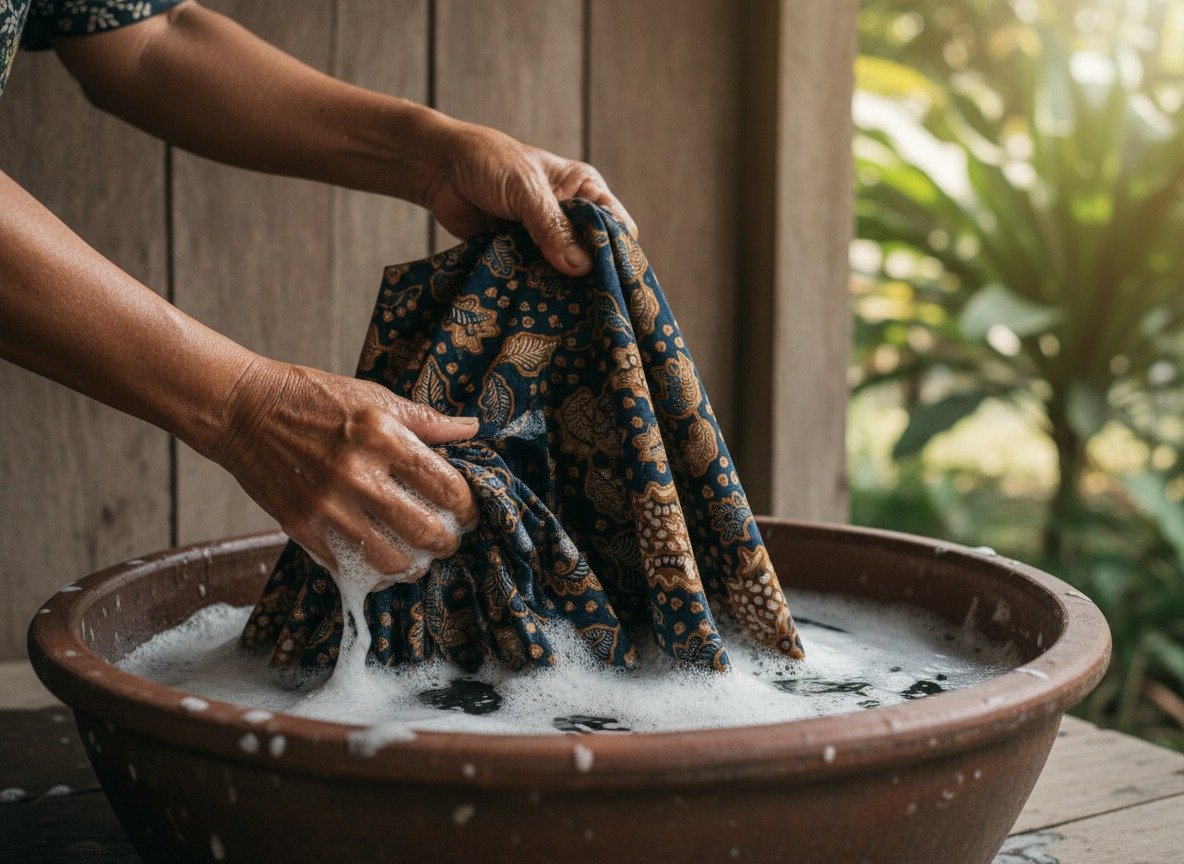
Cultivating sustainable dressing habits can begin with examining the care instructions label inside your garments. Washing fabrics using normal water temperatures and mild detergents without optical brighteners helps maintain the suppleness of natural cotton fibers.
Implementing a capsule wardrobe system by selecting a neutral color palette and classic silhouettes allows you to create dozens of outfit combinations without the need for frequent new purchases. This habit not only saves closet space and personal expenditure but also reduces the carbon footprint associated with fast fashion waste.
Avoid drying clothes in high-heat tumble dryers, as extreme temperatures can break fabric fiber chains and cause shrinkage. Air-drying garments in a shaded area with natural ventilation is the best way to preserve the vibrancy of yarn colors.
Limit the purchase of seasonal clothing by curating a capsule wardrobe composed of high-quality foundational pieces. Classic-cut garments are easily styled for various occasions without ever appearing outdated.
Fatmawati Tahir — Beauty Practitioner & Editor at Salwa Salon: The quality of the apparel against your skin directly impacts your daily comfort. Choosing natural, eco-friendly textile materials is an investment in your physical well-being and a genuine act of care for the planet’s future.
Frequently Asked Questions (FAQ)
What is the fundamental difference between sustainable fashion and fashion circularity?
Sustainable fashion focuses on ethical and low-pollution production processes, while fashion circularity ensures that all garment materials can be reused or recycled without leaving textile waste at the end of their lifecycle.
Why are organic cotton garments more comfortable for sensitive skin in tropical climates?
Organic cotton does not undergo harsh chlorine bleaching or chemical pesticide treatments and possesses naturally porous fibers that rapidly absorb perspiration, thereby minimizing the risk of heat rash and skin itching.
What is the easiest way for beginners to start a circular lifestyle?
Begin by caring for your existing clothing to prevent premature wear, repairing loose buttons or seams, and resisting the urge to buy new items unless they are truly needed for the long term.
How can I verify if the clothing I purchase is genuinely made from eco-friendly fibers?
Check garment labels for international certifications such as GOTS (Global Organic Textile Standard) for organic cotton, or OEKO-TEX Standard 100, which guarantees that fabrics are free from chemical residues harmful to the skin.




Tinggalkan Balasan