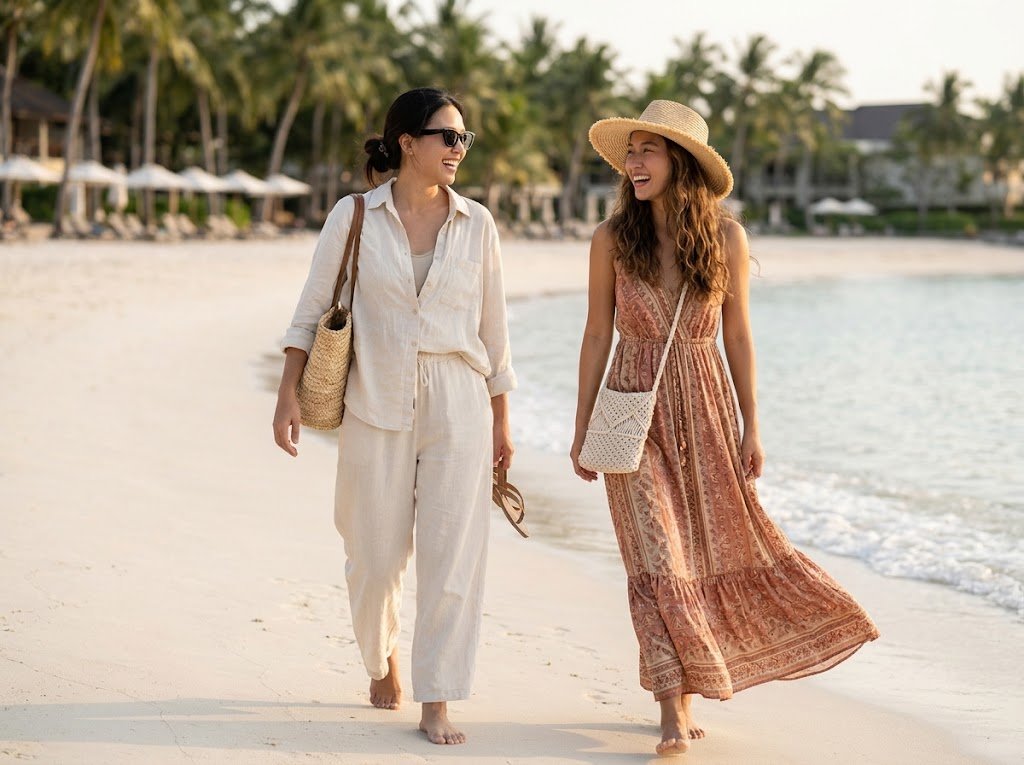
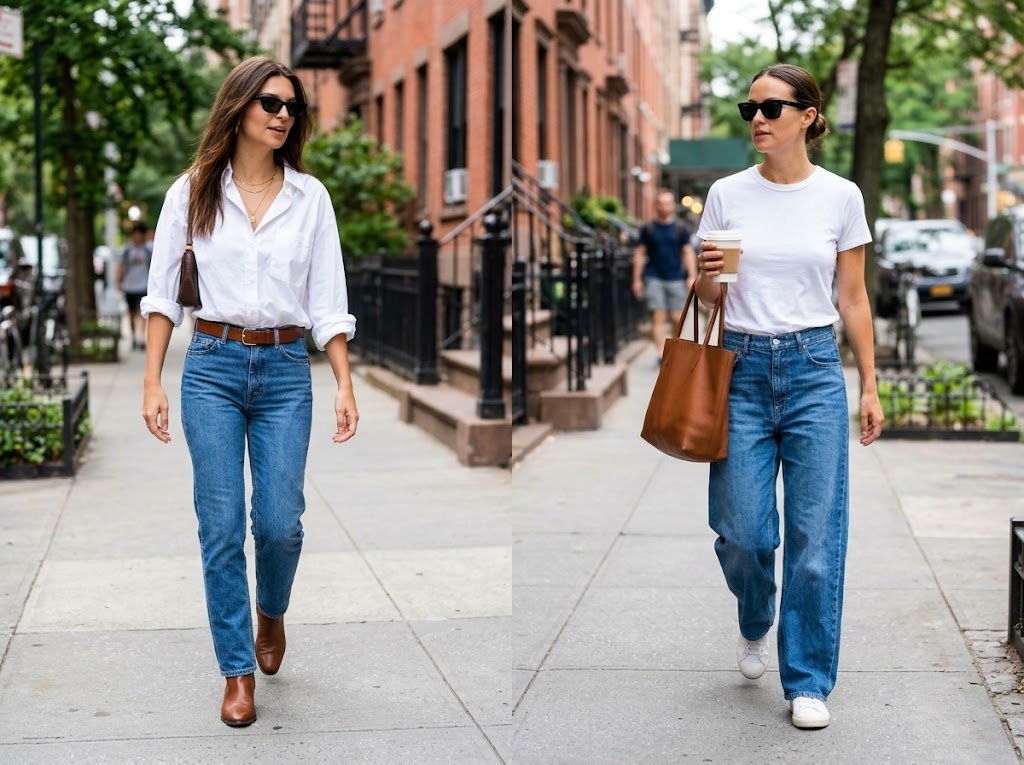
Over the past few decades, the fashion industry has experienced extraordinary acceleration through mass production and fast fashion models, churning out new trends weekly. However, this rapid consumption leaves a deeply concerning environmental footprint, from millions of tons of textile waste accumulating in landfills, water pollution from chemical dyes, to microplastic pollution from synthetic fibers. Awareness of this ecological crisis has birthed a new wave in fashion: sustainable fashion, which champions the principles of recycling and a circular economy.
Today, garments made from recycled materials are no longer mere experimental projects in art studios; they have graced prestigious fashion runways and international red carpets. From utilizing recycled plastics, discarded bottle caps, and fishing nets, to textile scraps reprocessed into high-quality fine yarns, the fashion industry is proving that luxury and ecological responsibility can coexist harmoniously.
Pillars of Sustainable Fashion and the Circular Economy
The eco-friendly fashion movement is built upon several fundamental principles that reshape our perspective on clothing:
1. Upcycling: Transforming Waste into High-Value Creations?
Upcycling is the creative process of repurposing used items or production remnants without breaking down the original material to its basic form. Haute couture designers now frequently blend luxurious fabric scraps, leftover denim, and unused metal components into evening gowns of exceptional artistic value and exclusivity.
2. Recycled Fiber Engineering Technology?
Advancements in textile technology allow used PET plastic bottles to be cleaned, shredded into flakes, melted, and spun into recycled polyester (rPET) fibers. The resulting fabric possesses the same strength as virgin polyester but requires significantly less production energy and reduces inorganic waste in our oceans.
3. Durable and Circular Design (Cradle-to-Cradle)?
This concept encourages designers to consider the end-of-life cycle of a garment from the initial pattern-making stage. Clothing is designed for easy disassembly, with buttons and zippers that can be separated, and fabric fibers that are either biodegradable or can be recycled into new fibers without generating residual waste.
Practical Steps to Becoming a Discerning Fashion Consumer
As fashion enthusiasts, you can contribute to caring for the planet through your daily consumption habits:
- Embrace the Capsule Wardrobe Concept: Select a collection of clothing in neutral colors that are easily mix-and-matched, featuring superior stitching and classic cuts, ensuring they can be worn for years to come.
- Prioritize Quality Over Quantity: Ask yourself before purchasing new clothing: will I wear this at least thirty times? Avoid impulsive buys solely to follow fleeting social media trends.
- Care for Your Garments Properly: Wash clothes in cold water, reduce the frequency of washing for outerwear like blazers or jackets, and repair loose buttons instead of discarding the garment immediately.
- Support Local Brands with Ethical Practices: Appreciate local clothing manufacturers who are transparent about their supply chains, use eco-friendly dyes, and provide fair wages to their seamstresses.
True beauty is never built upon the destruction of nature. When we choose our attire with full awareness of its environmental impact, the clothes we wear radiate nobility of character and genuine concern for the future of our beloved Earth.
Challenges and the Future of the Green Fashion Industry
Despite its very positive development, challenges still need to be addressed collectively:
Preventing Environmental Misinformation (Greenwashing)?
Some manufacturers use eco-friendly claims merely as a marketing strategy without substantial changes to their production lines. Consumers need to be critical by checking for official certifications like GOTS (Global Organic Textile Standard) or OEKO-TEX on garment labels.
Reducing Production Costs of Eco-Friendly Materials?
Currently, organic and recycled fabrics still incur higher production costs compared to conventional synthetic fibers. Consumer support and industry policies are expected to expand production scales, making eco-friendly clothing more accessible to the general public.
Frequently Asked Questions About Sustainable Fashion
Are recycled garments safe and comfortable for the skin?
Absolutely. Waste materials are recycled through rigorous high-temperature sterilization, washing, and chemical purification processes, ensuring the resulting fibers are germ-free, soft, and hygienic for sensitive skin.
How should I dispose of old, unwearable clothing?
Do not discard them in general waste bins. Redirect damaged clothing to textile recycling banks, used clothing collection programs at nearby retail stores, or repurpose them as household cleaning rags.
Is regular cotton always eco-friendly?
Conventional cotton requires vast amounts of water and intensive pesticide use in its cultivation. Certified organic cotton is far more environmentally friendly as it is grown without toxic synthetic chemicals.
Is renting clothing for special occasions considered sustainable fashion?
Yes, renting formal wear or party dresses is a very smart pillar of circular fashion, helping to avoid the accumulation of clothes in closets that are only worn once in a lifetime.
Elegant style is rooted in the harmony between visual beauty and a clear conscience. Wear your clothes with respect, and become a part of positive change for the preservation of our cherished natural world.