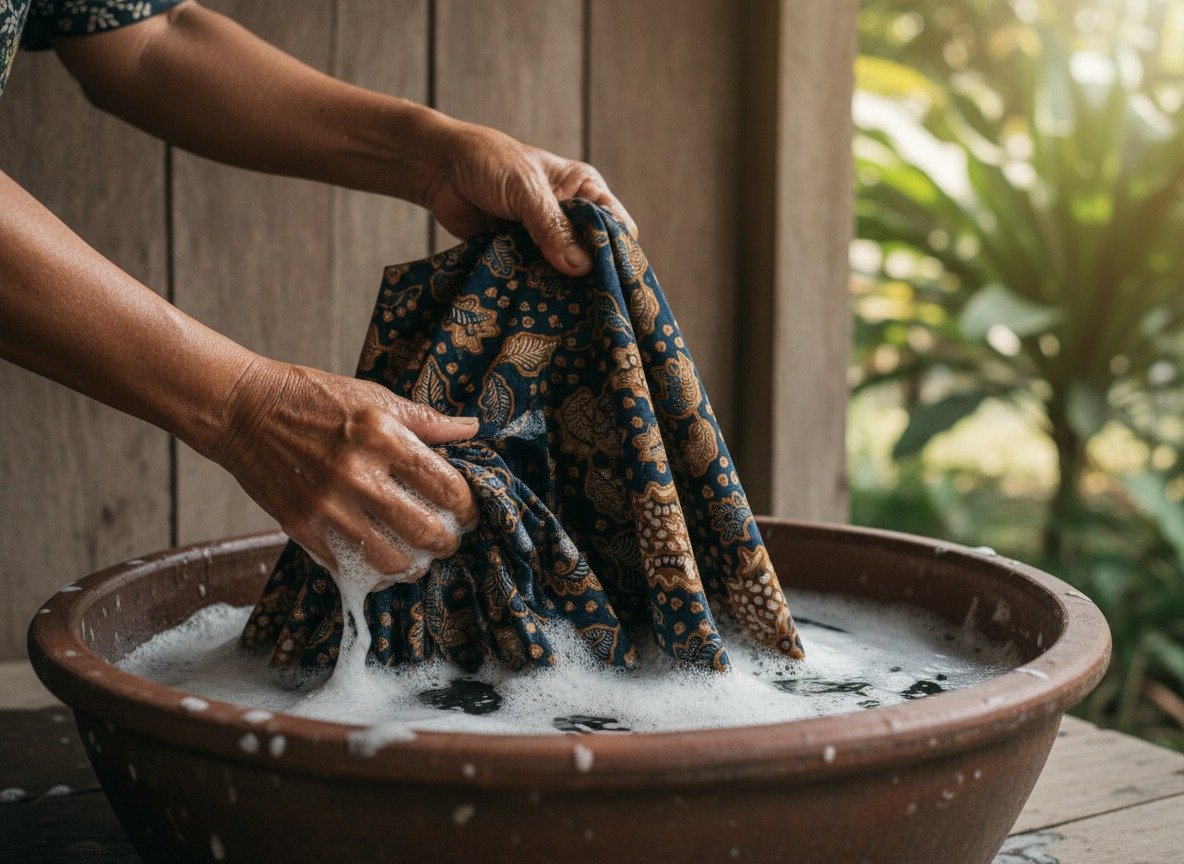
The disappointment is palpable when beloved batik fabric fades drastically or its fibers become brittle after washing. Preserving the exquisite motifs of Nusantara textiles demands meticulous attention to ensure their aesthetic value and color authenticity remain intact.
The cornerstone of caring for traditional batik fabric lies in hand-washing it with natural soap nuts or a gentle baby soap formula, strictly avoiding machine agitation, and air-drying it in a shaded, well-ventilated area.
Understanding the Characteristics of Batik Fibers and Dyes
Fashion designer and textile preservationist Didiet Maulana consistently emphasizes that batik fabric, especially when made from natural cotton, should be treated as a living work of art. Cotton fibers are highly favored for their exceptional breathability and comfort in tropical climates.
However, the intricate processes of creating batik tulis (hand-drawn batik) and batik cap (stamped batik) involve the use of wax and natural dyes that are highly susceptible to harsh chemicals. The application of conventional laundry detergents containing optical brighteners or high alkalinity can compromise the microscopic wax layer and dissolve the color pigments.
Understanding the inherent characteristics of your fabric is key to extending the lifespan of your cherished garments. Maintaining an elegant appearance for your attire at every formal occasion is rooted in proper care, much like the insights provided in guides on selecting comfortable clothing materials for hot weather.
Three Fundamental Batik Care Steps According to Experts
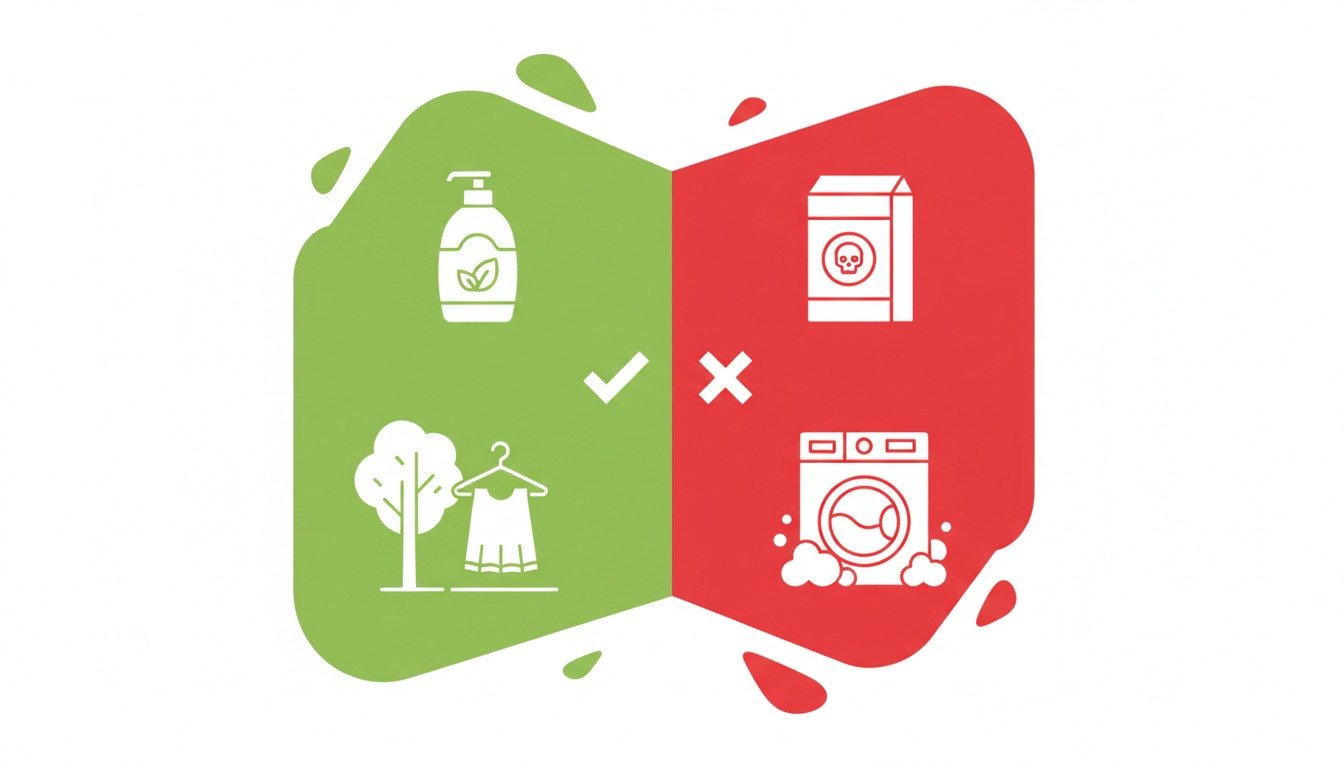
The first fundamental step involves the selection of cleaning agents. The traditional use of soap nuts is highly recommended as they yield natural saponins, compounds capable of lifting dirt and grime without compromising the color bonds within the cellulose fibers.
The use of traditional soap nuts is strongly advised due to their natural saponin content and neutral pH, which do not damage the molecular bonds of the batik wax or the plant-based color pigments in the fabric. Avoid aggressively wringing or twisting batik fabric during washing to prevent breakage of the mori or silk fibers.
If soap nuts are difficult to source, a pH-neutral liquid baby soap can serve as a safe alternative. Refrain from prolonged soaking of batik fabric; a brief immersion followed by gentle agitation of soiled areas like collars or underarms is sufficient.
The second step mandates the absolute avoidance of washing machines and spin dryers. The centrifugal force and mechanical friction generated by washing machines can stretch the yarn weave and permanently distort the fabric’s motifs.
| Care Stage | Recommended Method | Methods to Avoid |
|---|---|---|
| Detergent Selection | Natural soap nut liquid or liquid baby soap | Powdered detergents with bleach and high alkalinity |
| Washing Technique | Manual rinsing with gentle agitation | Washing machine cycles and coarse brushes |
| Drying Process | Air-drying in a shaded, covered area | Direct sun exposure |
| Wardrobe Storage | Neatly hung with aromatic spices | Direct contact with chemical mothballs |
Proper Drying Techniques and Storage Methods
Direct ultraviolet radiation from the sun is the most significant adversary to the longevity of traditional batik color pigments. Heat radiation can break down textile dye molecules, leading to a dull and faded appearance in a short period.
After rinsing thoroughly with cool water, do not wring the batik fabric by twisting it forcefully. Gently press the fabric to remove excess water, then lightly shake it out and spread it on a wooden hanger in a shaded area with good air circulation.
Once the fabric is completely dry, iron the reverse side on a medium heat setting or use a thin piece of cloth as a protective layer over the batik surface. Store the fabric in a wardrobe using specialized hangers and utilize vetiver root or cloves as natural moth repellents, replacing chemical mothballs.
Fatmawati Tahir — Practitioner & Beauty Editor at Salwa Salon: Honoring batik fabric means cherishing the stories and meticulous craftsmanship embedded in every thread. Diligent washing with soap nuts is the best investment to ensure this cultural heritage endures across generations.
For high-value batik tulis, storing the fabric by rolling it neatly in an acid-free paper tube is far more advisable than folding. This method prevents the formation of permanent creases that can fracture the wax layer and the mori fibers.
Frequently Asked Questions (FAQ)
Is it permissible to wash silk batik fabric using warm water?
It is not recommended, as warm water temperatures can cause silk protein fibers to shrink and dissolve residual natural batik wax. Always use room-temperature water for all types of traditional textiles.
How can stubborn food stains be removed from batik fabric?
Apply a small amount of liquid baby soap directly onto the stained area, let it sit for five minutes, then gently rub with a soft sponge or your fingertips. Avoid scrubbing the stain, as this can damage the fabric’s weave.
Why should mothballs not come into direct contact with batik fabric?
The chemical naphthalene in mothballs can react with natural batik dyes, leaving permanent yellow stains on the fabric. Use natural spices like cloves or cedarwood as alternative insect repellents.
How can batik fabric be safely ironed to prevent color dullness?
Iron the batik fabric from the reverse side (the back) on a medium heat setting. You can also place a thin white cotton cloth over the batik surface to protect it from direct heat contact with the iron.
[/CONTENT]





Tinggalkan Balasan