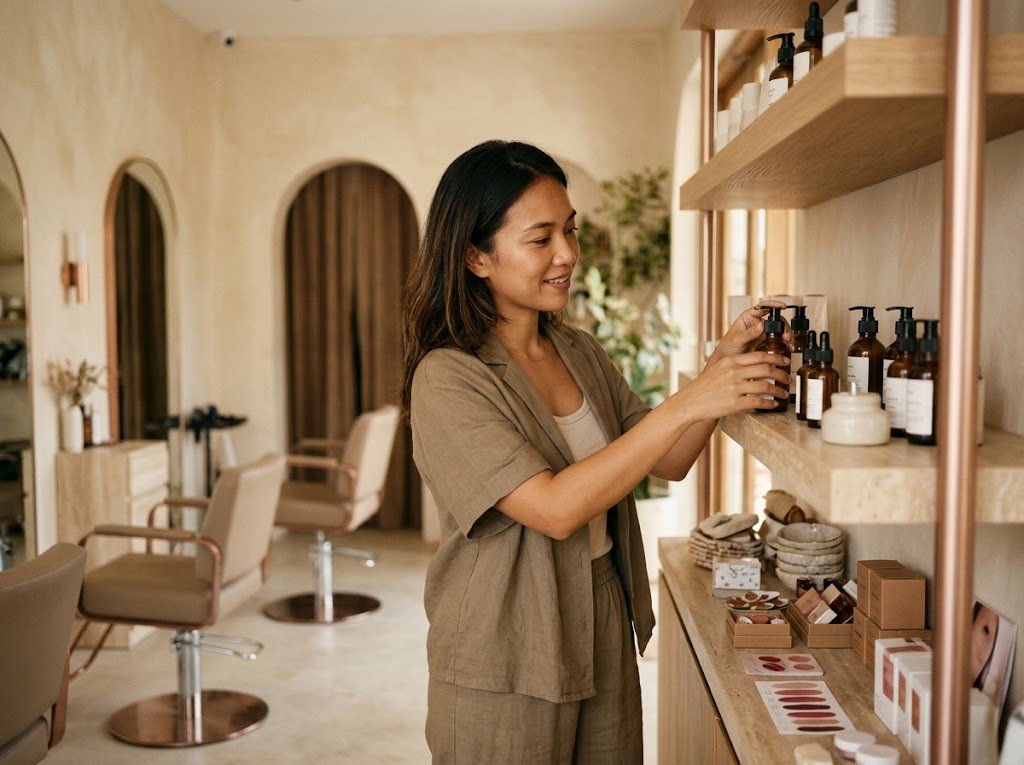
Have you noticed how rapidly local skincare, makeup, and hair care brands have emerged on vanities and salon shelves in recent years? While consumers and salon professionals once heavily relied on imported products for specific formulations, local beauty brands now offer meticulously researched active ingredients. This rapid growth has not only transformed consumer purchasing habits but also invigorated Indonesia’s creative economy and beauty service sector.
Indonesia’s local beauty and personal care industry is experiencing double-digit growth, fueled by heightened consumer literacy, young entrepreneurial innovation, the expansion of the men’s grooming segment, and the government’s enhanced Harmonized System (HS) code registration policies to map domestic research and innovation.
The Rapid Growth of the National Beauty and Wellness Ecosystem
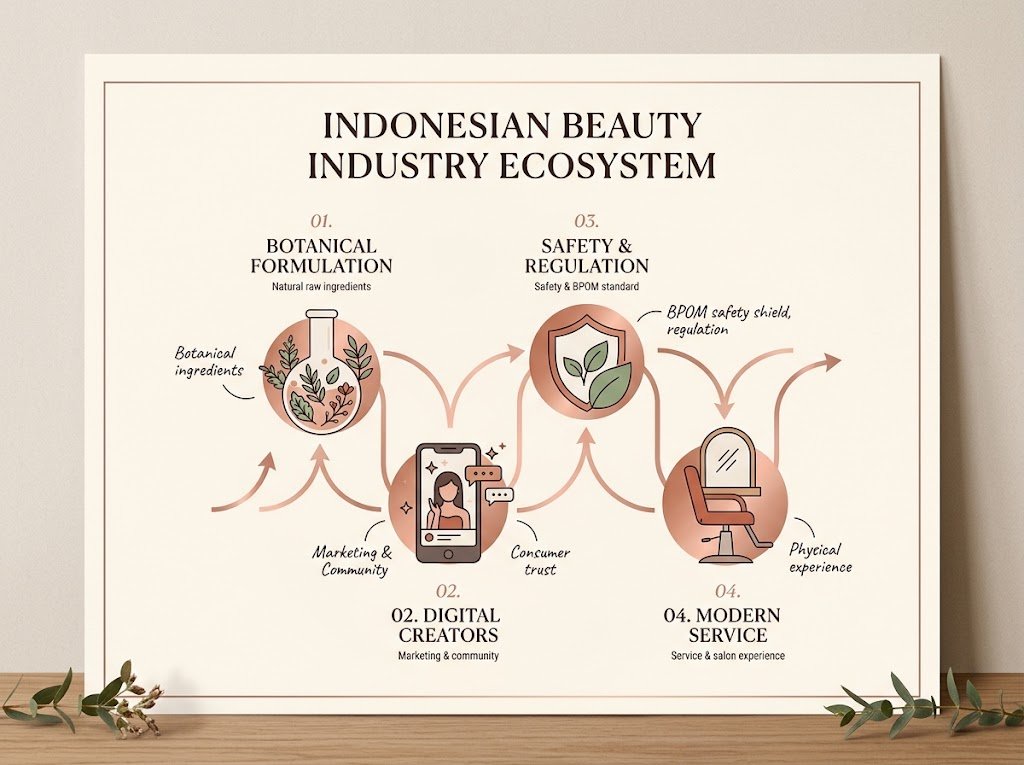
The beauty and wellness sector has become a robust economic driver at the national level. During the Jakarta X Beauty 2025 industry exhibition, Coordinating Minister for Economic Affairs Airlangga Hartarto lauded the national beauty industry’s impressive double-digit growth.
Forums like this exhibition and business matchmaking events serve as crucial platforms for direct collaboration between raw material producers, Micro, Small, and Medium Enterprises (MSMEs), beauty salon operators, educational content creators, and end consumers. The ease of distribution through online marketplaces and the public’s increasing awareness of skin and hair health maintenance have continuously expanded the demand for beauty products and services.
The Role of Young Entrepreneurs and the Expansion of Men’s Grooming
A key factor keeping the market dynamic is the involvement of the younger generation in developing product formulations relevant to the tropical climate and the skin characteristics of the Indonesian population. Innovation has expanded beyond women’s makeup and skincare to encompass a strong push into men’s grooming, ranging from facial cleansers and hair serums to professional styling products.
For salon owners and managers, the availability of these high-quality local brands presents significant opportunities to curate more accessible treatment services with a more stable domestic product supply chain.
Government’s Strategic Steps in Registering Innovation and Product Safety
As the market scale grows, oversight of product quality and safety standards becomes paramount. With information spreading rapidly through consumer reviews on social media, a single lapse in monitoring harmful ingredients can broadly erode public trust in local brands.
To foster a healthy business ecosystem, the government, in collaboration with the Central Statistics Agency (BPS), is updating industrial data registration policies by refining Harmonized System (HS) codes and establishing official business field classifications (ISIC) specifically for domestic innovative products.
Why is HS Code Separation Crucial for Local Brands?
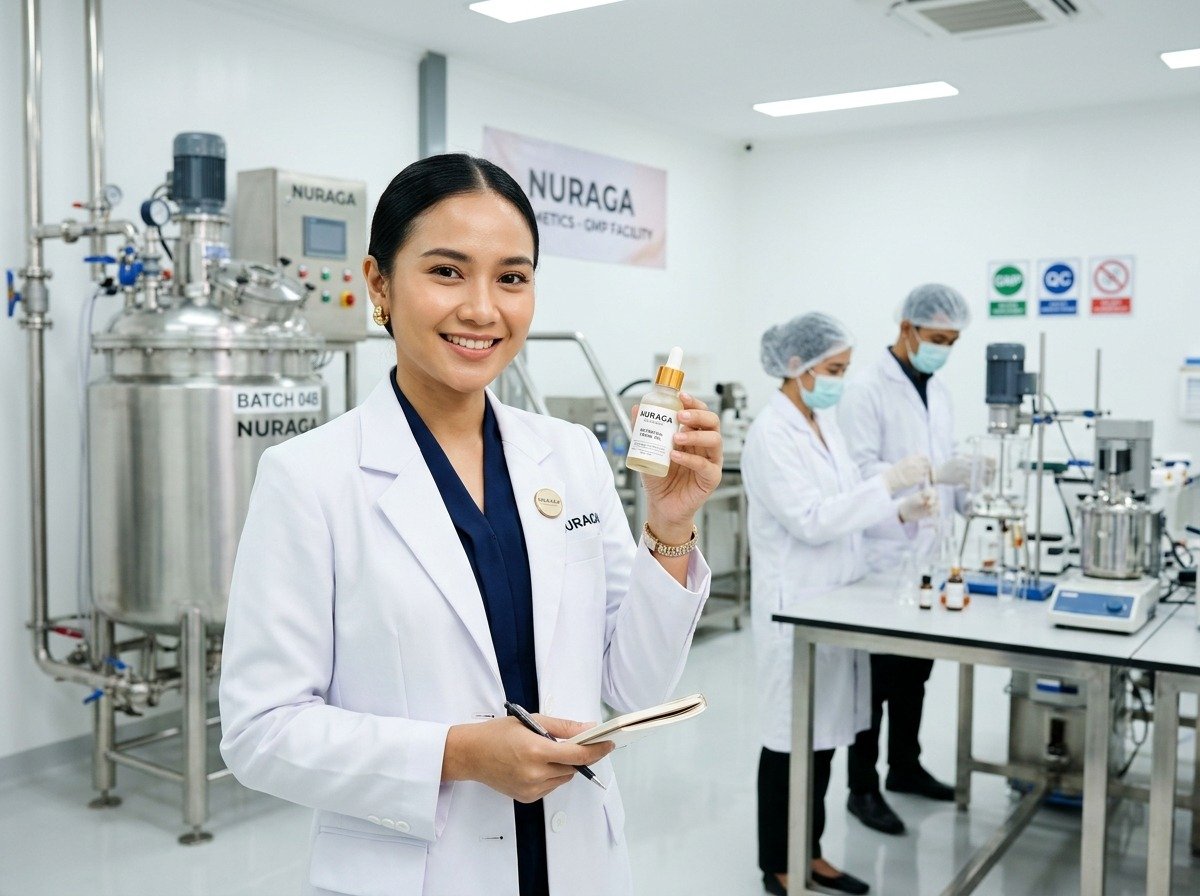
Many local beauty brands initiate their businesses by conducting concept research, packaging design, and formula development (Research and Development) in Indonesia, yet still utilize overseas contract manufacturing facilities, such as those in South Korea or China, due to specific production technology limitations.
Through this separate registration code, products whose intellectual property and innovation originate from Indonesia can be accurately documented, distinct from purely imported goods. This data is then used by the government to map industrial capacity, facilitating the future transition of manufacturing processes entirely to domestic factories.
Expert Insight — Fatmawati Tahir:
“For those managing salon businesses or selecting personal care products, the rapid growth of local brands must be balanced with diligent verification of BPOM (National Agency of Drug and Food Control) notification numbers and active ingredient compositions. For chemical salon services like coloring, straightening, or facial exfoliation, always implement a patch test procedure on clients’ skin to ensure safety and maintain your service’s reputation.”
The Contribution of the Personal Care Sector to the Economy
The growth of this industry is also reflected in macroeconomic data. According to the Ministry of Economic Affairs, the personal care sector, encompassing cosmetics and appearance-enhancing products, has shown a significant increase in economic contribution. Furthermore, the national cosmetics market consistently projects positive annual growth, with the largest contributions coming from the personal care, skincare, and makeup categories.
Frequently Asked Questions (FAQ)
What are the benefits of using BPOM-certified local products for salon services?
Local products registered with BPOM are generally formulated specifically to suit the tropical humidity levels and the skin/hair characteristics of Indonesians. They offer faster stock availability for salon operations and provide a more efficient cost-to-service ratio.
What is meant by contract manufacturing (maklon) in the beauty business?
Maklon is a production collaboration where the brand owner entrusts the manufacturing process of cosmetic or hair care products to a manufacturing company that possesses laboratory facilities, factories adhering to CPKB (Good Cosmetic Manufacturing Practices) standards, and official production permits.
How can consumers verify the authenticity of local cosmetic product distribution permits?
You can visit the official Cek BPOM website or use the BPOM Mobile application. Then, enter the registration number (typically starting with the code NA for products from Asian regions, including Indonesia) found on the packaging to verify the product name, registrant, and manufacturing facility.
The advancement of the domestic beauty industry offers a wider selection of safe and high-quality products for both consumers and salon professionals. At Salwa Salon, we meticulously curate hair and skin care products that have undergone rigorous safety testing to ensure every treatment session you experience yields optimal results.



Tinggalkan Balasan