Looking in the mirror after a day exposed to urban air pollution often reveals skin that appears dull, with an oily T-zone, and a loss of its natural freshness. The desire to care for your complexion with natural ingredients is frequently hindered by concerns about irritation or a sticky residue that can clog your pores.
Plums, or Prunus domestica, are rich in antioxidant compounds like anthocyanins, a high concentration of Vitamin C, and natural alpha-hydroxy acids (AHAs) such as tartaric acid. These work to gently exfoliate dead skin cells, balance sebum secretion, and improve dermal tissue elasticity. Regularly using a plum face mask offers a safe, natural brightening treatment for combination and oily skin types.
Phytochemical Profile of Plums and Free Radical Protection
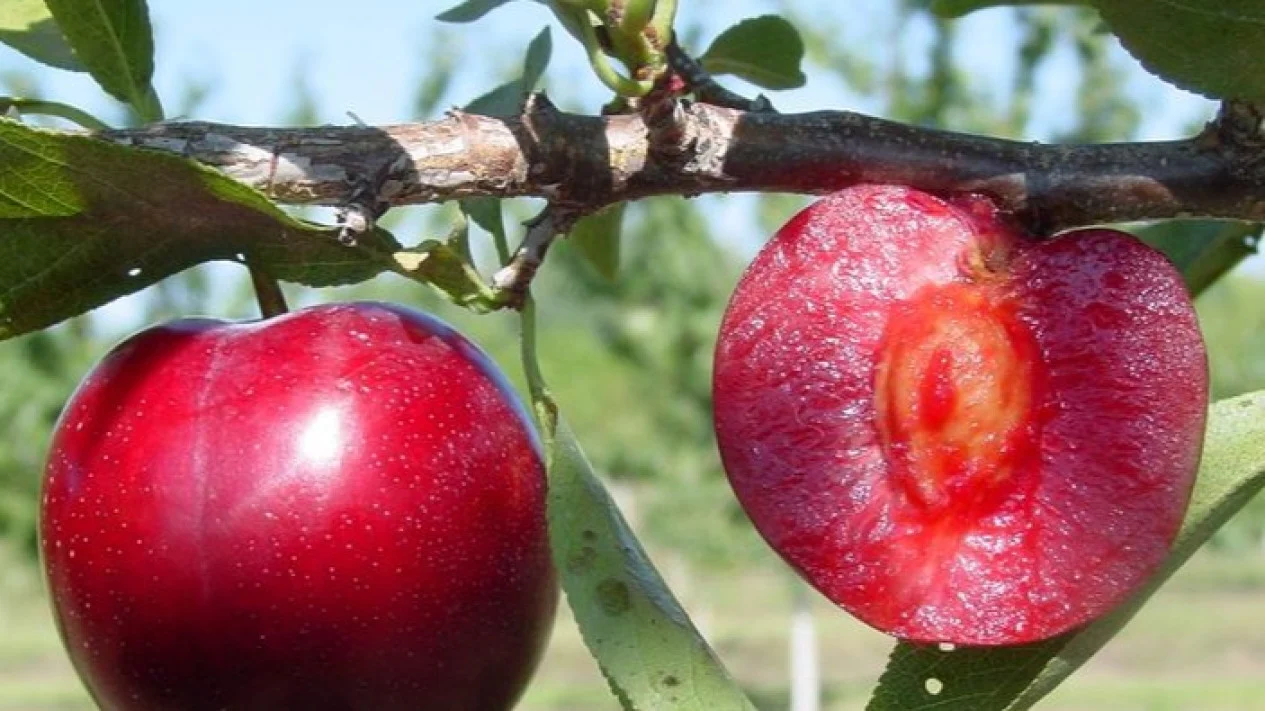
The deep purplish-black hue of plum skin comes from its high concentration of anthocyanin pigments, a type of flavonoid with exceptional free radical scavenging capabilities. Exposure to ultraviolet radiation and fine dust particles triggers oxidative stress, which damages collagen fibers and accelerates the appearance of dynamic aging lines around the forehead and eyes.
The Vitamin C and beta-carotene content within the plum’s flesh work synergistically to neutralize these damaging molecules before they can harm skin cell DNA. Furthermore, Vitamin C acts as an essential cofactor in the hydroxylation of proline and lysine, stimulating the formation of new collagen fibers in the dermis.
This topical antioxidant intake helps restore the natural radiance of the face, which can be dulled by physical fatigue. Microvascular circulation beneath the skin becomes more fluid, resulting in a complexion that appears fresh and luminous from within.
Gentle Exfoliation Thanks to Natural AHA Content
The primary advantage of plum masks over other fruit-based masks lies in their natural hydroxy acid content, particularly tartaric acid and malic acid. These fruit acids work by dissolving the desmosomal bonds between dead skin cells in the stratum corneum without causing harsh physical friction.
This gentle exfoliation unclogs pores that are filled with oxidized oil and microscopic debris. With the removal of the dead stratum corneum layer, cellular regeneration proceeds more rapidly, and the absorption of your daily serums becomes significantly more optimal.
For those with oily skin types, these natural acids help control surface skin acidity, making it difficult for acne-causing bacteria to proliferate. Your skin feels clean, matte, and free from excess oiliness throughout the day.
| Plum Bioactive Compounds | Mechanism of Action on Tissues | Tangible Benefits for Facial Skin |
|---|---|---|
| Anthocyanins & Polyphenols | Neutralize photo-oxidative free radicals | Prevent premature aging and collagen degradation |
| Tartaric Acid (Natural AHA) | Dissolves the adhesive bonds of dead skin cells | Smooths rough texture and refines pores |
| Vitamin C (Ascorbic Acid) | Inhibits tyrosinase enzyme formation | Brightens hyperpigmentation and dark spots |
| Water and Pectin Content | Hydrates the outermost epidermal cell layers | Restores skin suppleness and elasticity |
DIY Fresh Plum Mask Recipe Guide
Making a plum face mask at home requires care in selecting fresh, perfectly ripe fruit to ensure optimal nutrient concentration. Choose plums that are soft to the touch with a gentle, sweet aroma:
- Washing Stage: Thoroughly wash the plums under running water to remove any protective wax residue and surface dust.
- Pureeing Stage: Halve the plums, remove the hard pit, and then mash the flesh and skin with a fork or blend until a smooth paste forms.
- Formulation Enrichment: You can add one teaspoon of pure honey as an additional humectant if your skin type tends to be combination or dehydrated.
- Even Application: Apply the mask paste evenly to your cleansed face, avoiding the delicate eye and lip areas.
- Dwell Time and Rinse: Allow the mask to work for fifteen to twenty minutes, then rinse with lukewarm water while gently massaging.
Perform this natural treatment ritual one to two times per week to consistently maintain your facial skin’s smooth texture.
Fatmawati Tahir — Beauty Practitioner & Editor at Salwa Salon: Although the fruit acids in plums are natural, the acidity of fresh fruit can still cause a stinging sensation on skin with open wounds or active, inflamed acne. Always perform a patch test on your lower jawline for fifteen minutes before applying the plum mask to your entire face.
To complement your routine with other natural ingredients effective for balancing facial oil, explore our review on natural masks for oily skin.
Safety Precautions for Natural Treatments
Fresh botanical treatments still require caution to avoid causing contact dermatitis reactions, especially for sensitive skin types. Never allow a fruit mask to dry completely and crack on your face, as this can excessively draw out internal skin moisture.
After rinsing off the mask, immediately apply a hydrating toner and a gel-textured moisturizer to lock in hydration within the newly exfoliated skin cells. If you plan to be outdoors the following day, ensure you diligently use sunscreen, as skin that has undergone natural exfoliation becomes more susceptible to sun damage.
Frequently Asked Questions (FAQ)
Is it safe to puree plum skin along with the fruit flesh?
Yes, plum skin actually contains the highest concentration of anthocyanin antioxidants, which are highly beneficial for combating free radicals on the skin.
Can a plum face mask be used on skin with active acne?
It can be applied to mild acne without open wounds, but avoid rubbing the mask on severely inflamed acne to prevent rupture.
How often should a plum face mask be applied per week?
Use it once or twice a week to ensure a balanced exfoliation of dead skin cells without thinning the skin barrier.
How long can fresh plum mask paste be stored in the refrigerator?
Store the mask paste for a maximum of twenty-four hours in an airtight container in the refrigerator to prevent Vitamin C degradation and nutrient loss due to oxidation.


Tinggalkan Balasan