
Achieving a captivating, healthy hairstyle that complements your facial structure is a universal aspiration. In the realm of modern hairstyling, exploring different looks transcends mere seasonal trends; it’s a form of self-expression and an investment in aesthetic care. Through this comprehensive review of Tips for Managing Unruly Hair: Practical Solutions for Healthy, Tidy Hair, we will delve deeply into techniques, benefits, step-by-step guides, and daily care tips recommended by professional hairstylists.
Key Characteristics and Advantages
Before committing to a particular style or technique, it’s crucial to understand its fundamental characteristics that differentiate it from conventional care or cutting methods. This approach is designed to maximize the hair’s natural texture, create the illusion of more dimensional volume, and simplify daily styling without requiring excessive time in front of the mirror.
Here are some of the primary advantages that make it highly sought after in leading beauty salons:
- Dynamic Dimension and Texture: Provides a visually voluminous, lightweight effect, preventing hair from appearing flat or monotonous.
- Versatility for All Occasions: Easily adaptable for casual at-home looks or formal events requiring an elegant touch.
- Proportional Face-Framing Effect: Capable of softening a strong jawline or creating the illusion of a more slender, proportionate face.
In-Depth Review and Interesting Facts About This Trend
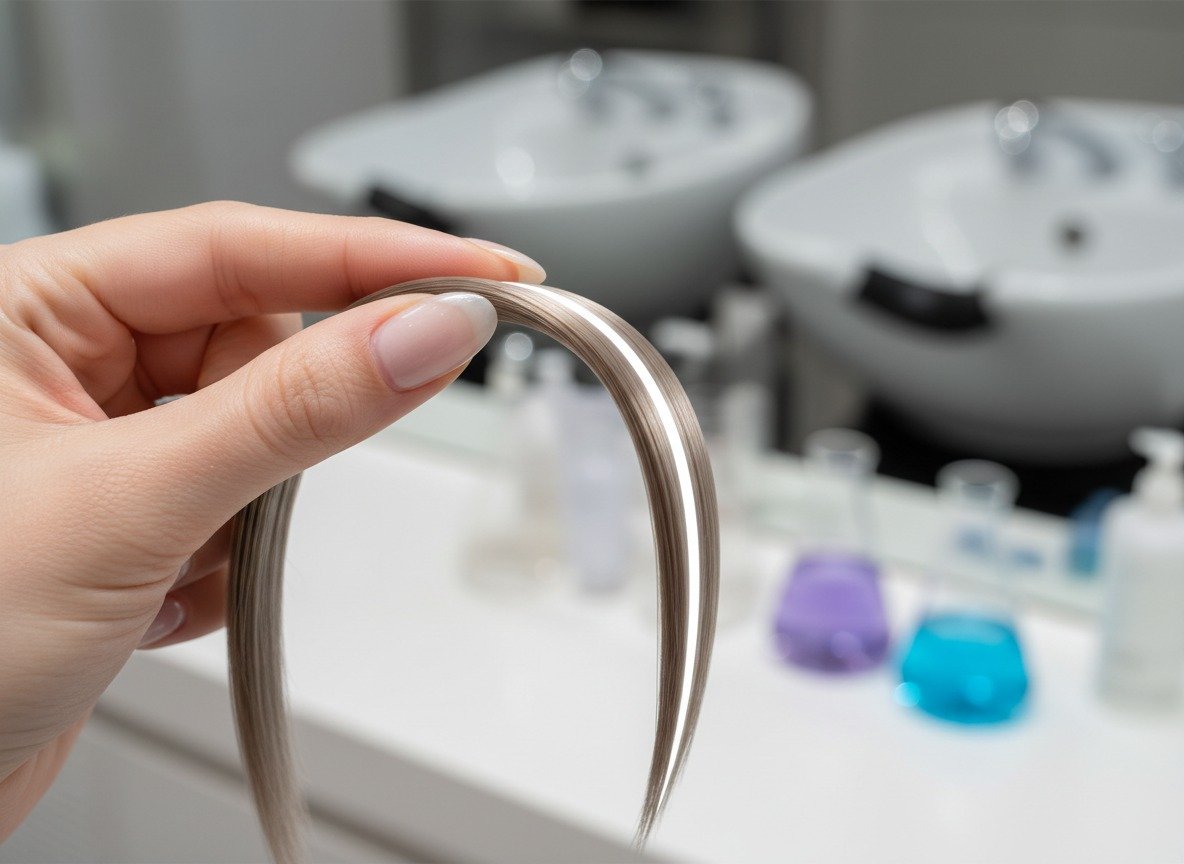
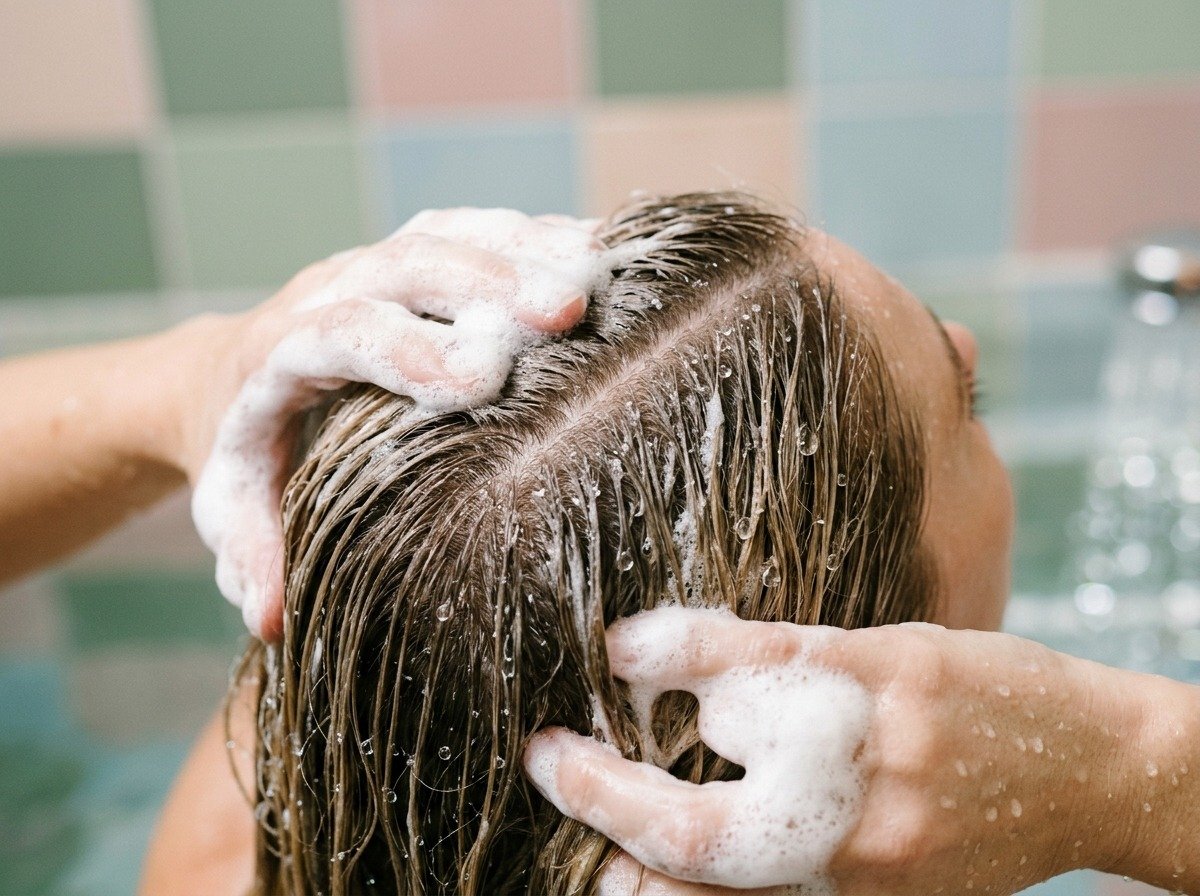
[ez-toc] Dealing with unmanageable hair can be frustrating. Dry, tangled, or frizzy hair requires extra attention to maintain its health. Let’s explore these tips for its care! Dry and Brittle Hair: Causes: Lack of moisture, frequent use of hair products containing alcohol, or excessive exposure to heat styling tools. Tips: Use hydrating conditioners and hair masks regularly. Avoid flat irons or blow dryers. Stay out of direct sunlight. Tangled and Difficult-to-Braid Hair: Causes: Lack of moisture, friction with clothing materials, or insufficient care. Tips: Use a brush with soft, widely spaced bristles. Apply anti-frizz oil or serum before brushing. Get regular trims. Type 4 Hair (Coily and Kinky): Causes: This hair type is typically dry and requires extra moisture. Tips: Avoid shampoos containing sulfates, which can strip hair of moisture. Try the co-washing technique, washing hair with conditioner only. Use styling products specifically for curly hair. Colored or Dyed Hair: Causes: The chemicals in hair dye can lead to dry and brittle hair. Tips: Use shampoos and conditioners formulated for color-treated hair. Minimize styling with blow dryers and flat irons. Get regular salon treatments. Hair Prone to Breakage: Causes: Hair that is frequently dyed, permed, or heat-styled can become fragile and prone to breakage. Tips: Choose shampoos and conditioners that strengthen hair. Avoid daily heat exposure and use a heat protectant before styling. Do not tie your hair too tightly or too often. By understanding your hair type and providing appropriate care, your hair will become more manageable. Maintain moisture, avoid excessive heat, and choose products that suit your hair. Every hair type is unique, so find the care routine that works best for you!
Professional hairstylists agree that the key to the success of this style lies in a thorough understanding of hair growth patterns and the selection of supportive products that do not compromise the cuticle layer.
Practical Guide and Professional Care Steps
To achieve optimal and long-lasting results, follow these systematic steps:
- Hair Preparation and Condition Analysis: Ensure hair is clean and damp. Evaluate hair elasticity and scalp sensitivity before commencing any styling or coloring process.
- Application of Protective Products (Heat & Chemical Protectant): Before exposure to heat styling tools (such as curling irons, straighteners, or blow dryers) or chemical treatments, apply a protective serum or spray evenly from mid-lengths to the ends of the hair shaft.
- Gradual Application Technique: Work with small sections of hair (sectioning) to ensure precise and even treatment for each strand. Avoid pulling the hair too tightly to prevent traction alopecia.
- Intensive Nourishment: Complement the treatment session with a hair mask or leave-in conditioner formulated with keratin, argan oil, or aloe vera to lock in the hair shaft’s natural moisture.
Common Mistakes to Avoid
Often, styling results are short-lived or lead to hair damage due to the following errors:
- Neglecting Weekly Hair Mask Treatments: Hair that is frequently styled requires extra hydration to prevent split ends and dryness.
- Using Excessively Hot Styling Tools: Temperatures above 180°C (356°F) without thermal protection can scorch the hair cuticle and diminish its natural shine.
- Combing Wet Hair with a Fine-Tooth Comb: When wet, hair elasticity is at its most fragile; always use a wide-tooth comb.
Frequently Asked Questions (FAQ)
1. How often should this style or trim be performed?
To maintain the shape and health of the hair ends, it is recommended to get a trim or refresh the style every 6 to 8 weeks.
2. Is this style suitable for all hair types and textures?
Yes, with minor adjustments to the cutting angles or product formulations, stylists can adapt it for straight, wavy, or coily hair.
3. What daily products are essential to have at home?
Sulfate-free shampoo, a moisturizing conditioner, and a natural hair oil to keep hair ends soft and luminous.
Conclusion
Implementing Tips for Managing Unruly Hair: Practical Solutions for Healthy, Tidy Hair with the correct techniques has been proven to significantly boost confidence and visual appeal. The key is consistency in maintaining the fundamental health of your hair and not hesitating to consult with a professional hairstylist at your favorite salon for personalized advice tailored to your unique hair characteristics.


Tinggalkan Balasan