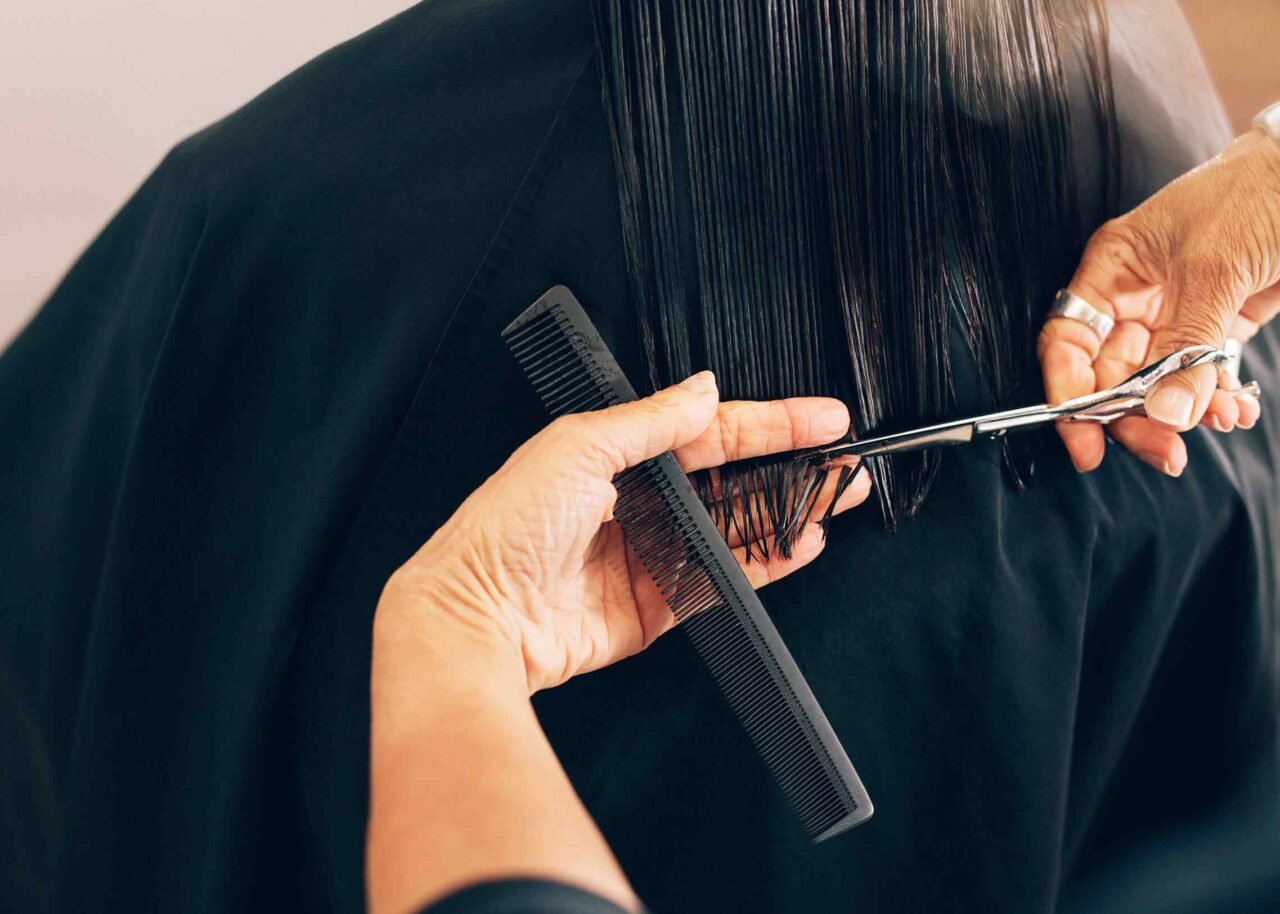
In the early 2000s, hair extensions were ubiquitous. Perhaps you even experimented with them yourself?
However, this trend has gradually faded from public consciousness in Indonesia. This is particularly noteworthy given that Indonesia ranks as the second-largest exporter of wigs globally, trailing only China.
In 2021, Indonesia’s wig exports reached an impressive 11,761 tons, valued at approximately 6.5 trillion Indonesian Rupiah, according to the Minister of Trade, Zulkifli Hasan. These wigs are exported to a diverse range of international markets, including the United States, Germany, the United Kingdom, South Korea, the Czech Republic, and over 40 other nations.
But why doesn’t the high volume of wig production in Indonesia correlate with its domestic usage rates? The history of the wig industry in Indonesia traces back to the 1950s in Purbalingga.
Initially, the industry began with a single individual collecting discarded hair clippings to craft traditional hair buns. Over time, this product gained popularity among brides seeking elaborate updos, eventually evolving into the significant export industry it is today. Indonesia.go.id reports that this commodity has successfully attracted foreign investment.
As of 2019, Purbalingga saw 29 foreign investment projects, with a substantial portion originating from South Korea.
Nevertheless, dozens of home-based industries continue to operate independently of foreign investment, providing employment for approximately 55,000 individuals.
There is a notable absence of comprehensive data or analysis online to definitively explain the decline in wig usage in Indonesia since the early 2000s. However, wigs remain prevalent within the entertainment sector, utilized by singers, actors, actresses, and other performers in various capacities.
Considering that the majority of Indonesia’s population is Muslim, religious tenets may play a role, as some interpretations do not encourage the use of artificial hair. Furthermore, the tropical climate in Indonesia can make wearing wigs uncomfortable due to heat and humidity.
In my professional opinion, a shift in perspectives regarding feminine aesthetics has also contributed to the diminished domestic market for wigs. Historically, long, lustrous hair was intrinsically linked to the concept of femininity. Today, however, there is a greater emphasis on personal expression, encompassing diverse hair colors and styles.
Based on my observations in and around Jakarta, I’ve witnessed a wide array of hairstyles being embraced and celebrated, whether natural, colored, short, or avant-garde.
Therefore, the declining domestic interest in wigs doesn’t signify a regression. This industry has also historically grappled with a negative reputation, particularly concerning the sourcing of human hair. Instances of individuals being coerced into selling their long hair to improve their financial circumstances, and even becoming victims of crime due to the value placed on their hair, have been reported.
I find it encouraging to see how women are no longer constrained by beauty standards that may not align with their personal desires, such as the perceived obligation to have long, straight hair. My hope is that the production of wigs continues to be conducted ethically, benefiting both the manufacturers and the end-users worldwide.
In conclusion, the subdued domestic market for wigs in Indonesia reflects an evolution in beauty standards. Despite high production levels, domestic consumption has decreased. This can be attributed to factors including religious considerations, the hot climate, evolving perceptions of femininity, and the industry’s past reputational challenges.
Nonetheless, the wig industry continues to be a significant contributor to job creation and the national economy. It is imperative to ensure that wig production processes remain ethical and provide value to consumers globally.




Tinggalkan Balasan