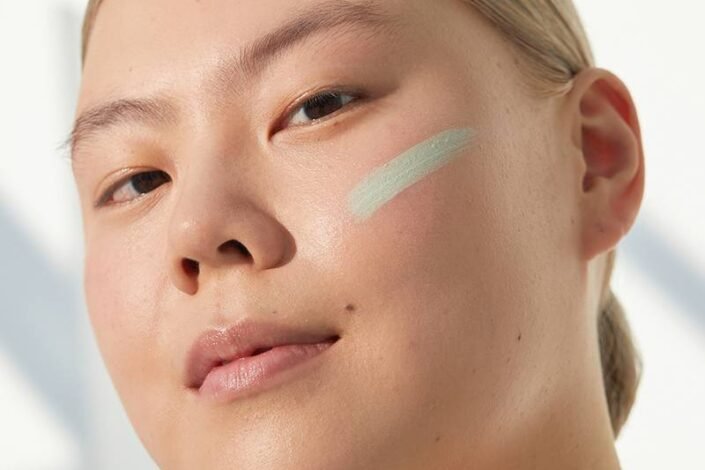
In the sometimes intricate world of makeup application, we often find ourselves focusing on the foundational steps: skin prep, base product application, and adding color to the face with blush, bronzer, and eyeshadow.
While these routines can yield satisfying results, it’s common to overlook a pivotal step that can significantly elevate your makeup game and achieve a truly flawless finish. This often-missed element is the strategic use of color-correcting makeup.
According to Jeanine Lobell, celebrity makeup artist and founder of Neen, color correction should be viewed as a skin-perfecting stage *before* you even reach for your foundation.
Although it might seem like an extra step, the payoff is well worth the effort. An even, balanced complexion is the bedrock of a standout makeup look, and color correctors are the key to achieving this.
The Benefits of Color Correction
If you’ve ever dealt with redness or hyperpigmentation, you know how challenging it can be to create a uniform makeup canvas. Color correcting techniques offer an effective solution.
Color correcting products utilize a spectrum of shades to neutralize and balance unwanted undertones in your skin. This creates a more even base, allowing your foundation and concealer to perform optimally.
“Now, if you’re still seeing a certain color peek through when you put your makeup on, that might be an indicator that color correction could be the solution,” says Lisa Aharon, a celebrity makeup artist.
This technique not only helps camouflage imperfections but also reduces the need for heavy, layered foundation application.
How to Apply Color Correcting Makeup
Color correction should always be applied *before* your foundation and concealer. This helps perfect your base and saves you time in the long run.
Begin by focusing on areas that require specific attention, such as the inner corners of the eyes where discoloration often occurs.
Once applied, it’s crucial to blend and diffuse the product seamlessly, using either your fingers or a brush. Gently tap the product into the skin until it’s absorbed, and use a sponge to soften any harsh lines before proceeding with your concealer.
Color Correctors: The Right Choice for Every Skin Concern?
Selecting the appropriate color corrector for your specific skin concerns requires an understanding of color theory basics. There are five primary shades used to balance skin tone, each working uniquely to counteract unwanted undertones:
- Green Color Corrector: This shade is designed to neutralize redness in the skin. It’s particularly effective for inflammatory acne, eczema, or rosacea.
- Yellow Color Corrector: Ideal for brightening and counteracting discoloration. It can be used all over the face and is exceptionally effective under the eyes to combat dark circles.
- Pink Color Corrector: Perfect for neutralizing sallowness or purple undertones under the eyes. A rosy shade is best for cool undertones, while a peachy hue is better suited for warm undertones.
- Orange Color Corrector: Used to tackle intense hyperpigmentation, this shade helps neutralize blue undertones on deeper skin tones, such as dark circles around the eyes.
- Purple Color Corrector: Less commonly used, but it can help counteract dullness or yellow undertones in the skin, particularly beneficial for cooler complexions.
It’s essential to assess the areas of your face that require color correction, understand your skin’s natural undertones, and choose the corrector that aligns with your specific needs.
Color correction isn’t about masking everything; it’s about creating a balanced and even canvas. By incorporating this step into your beauty regimen, you can achieve more professional-looking makeup results and enhance your overall complexion.
So, don’t let this vital step be the one that gets left out of your daily beauty routine!


Tinggalkan Balasan