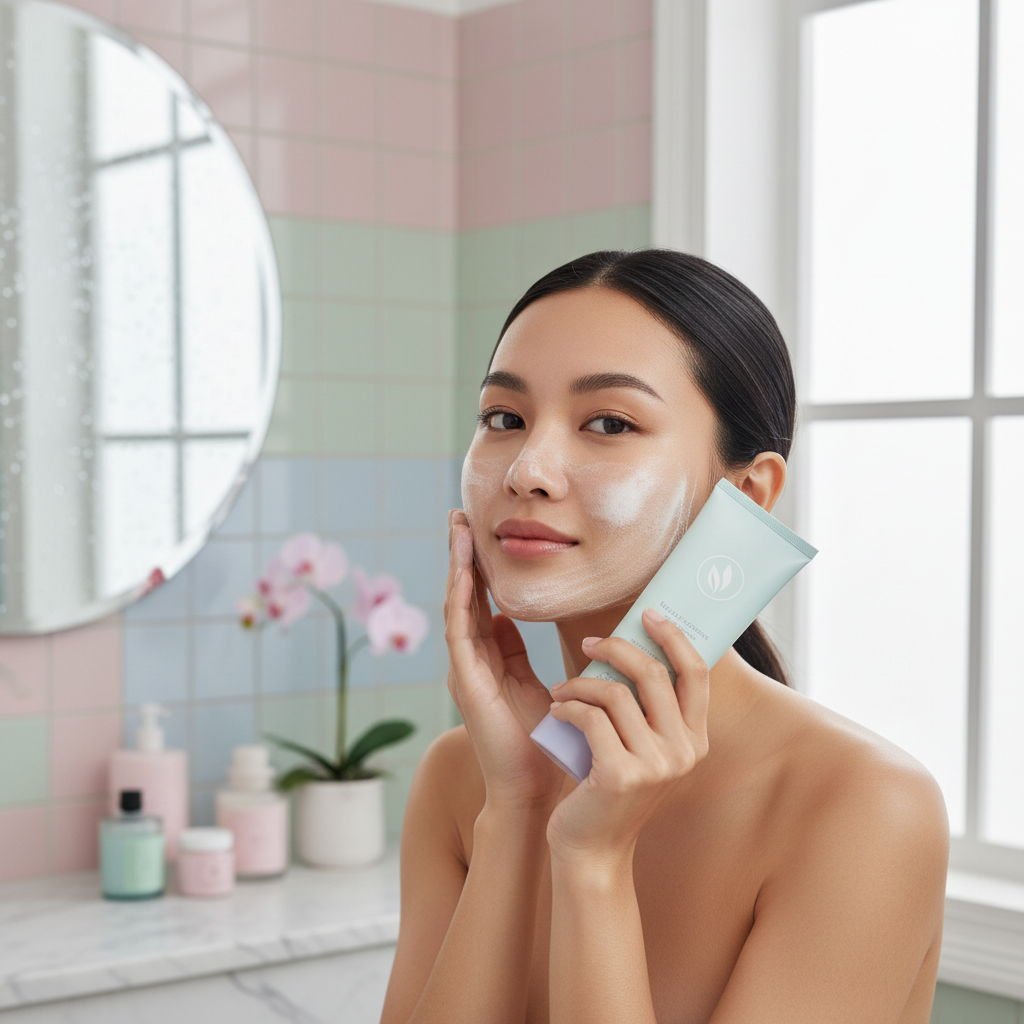
Hello, Salwa Besties! The persistent frustration of dull skin combined with recurring breakouts can significantly impact self-confidence. In the pursuit of clear skin, many fall into a fundamental misconception: assuming that acne-prone and oily skin requires a foaming cleanser that leaves the face feeling “squeaky clean” after rinsing.
In reality, that tight, “stripped” sensation after washing your face is a critical biological alarm bell signaling severe damage to your skin’s protective barrier! Aggressively stripping away natural skin lipids compromises the acid mantle, triggering cellular dehydration which, paradoxically, prompts sebaceous glands to produce even more viscous sebum. The result? Clogged pores and exacerbated acne inflammation. Let’s embark on a journey to discover how to intelligently select the right facial cleanser for a thoroughly cleansed, radiant, and irritation-free complexion!
Understanding the Role of the Skin’s Acid Mantle
1. The Skin’s Physiological pH Balance (pH 4.7–5.5)?
The surface of human skin is naturally coated by a thin, acidic film composed of sweat, sebum, and amino acids. This slightly acidic environment acts as a natural antimicrobial shield, preventing the colonization of pathogenic bacteria—including acne-causing bacteria (*Cutibacterium acnes*). Traditional bar soaps or high-pH (alkaline pH 8–10) cleansers disrupt this acid mantle, requiring hours for the skin to restore its natural balance.
2. The Dangers of Harsh Sulfate Surfactants (SLS and SLES)?
Sodium Lauryl Sulfate (SLS) is a potent synthetic detergent commonly used to create abundant lather. Unfortunately, these surfactant molecules are small enough to penetrate skin cell membranes, dissolving essential cholesterol and ceramides that bind epidermal corneocytes. This can trigger allergic reactions, peeling, and contact dermatitis.
Criteria for the Best Facial Cleanser for Acne-Prone and Dull Skin
1. Balanced pH Formulation (Low pH Cleanser)?
Opt for facial cleansers labeled as *low pH* (ranging between 5.0 and 5.5). These formulations effectively cleanse impurities and excess oil without disrupting the skin’s physiological acidity, thereby supporting a healthy and active skin microbiome.
2. Contains Salicylic Acid (BHA)?
Salicylic acid is an oil-soluble (lipophilic) exfoliating agent with the unique ability to penetrate deep into the pores. This active ingredient works by dissolving sebum plugs and dead keratin from within the follicle, alleviating blackheads, and providing mild antibacterial benefits.
3. Enriched with Natural Soothing Actives?
Ensure your facial cleanser contains soothing ingredients such as *Centella Asiatica* extract, safely concentrated tea tree oil, green tea leaf extract, or allantoin. These compounds help calm redness associated with active inflammatory acne and prevent irritation during the cleansing process.
4. Gentle Amino Acid-Based Surfactants?
Choose cleansers that utilize amino acid-derived surfactants—such as Potassium Cocoyl Glycinate or Sodium Lauroyl Sarcosinate. These types of surfactants selectively cleanse impurities without stripping the stratum corneum’s protective lipids.
Skin Barrier Dysfunction Due to Over-Cleansing:
“A significant number of patients presenting with complaints of acne vulgaris and chronic dullness are found to be using facial washes with high levels of alkaline detergents that erode the intercellular lipid layer. This barrier damage increases Transepidermal Water Loss (TEWL) and triggers pore hyperkeratinization. Our salon solution involves educating clients on non-stripping cleansing techniques using pH 5.5 cleansers, combined with ozone cleansing facials to sterilize anaerobic bacteria without damaging the skin’s protective acid mantle.” — Fatmawati Tahir
The Correct Facial Cleansing Technique (The 60-Second Rule)
- Wash Your Hands First: Never touch your face with dirty hands when starting your facial cleansing routine. Thoroughly cleanse your hands with an antibacterial soap beforehand.
- Use Lukewarm or Room Temperature Water: Avoid hot water, as it can dilate blood capillaries and strip the skin of its natural moisture.
- Employ the 60-Second Massage Technique: Lather the cleanser in your palms first, then gently massage it onto your entire face using circular motions for a full minute. This allows the active ingredients sufficient time to dissolve sebum.
- Pat Dry with a Dedicated Facial Towel: Gently pat your face dry with a clean, dedicated facial towel or use disposable facial tissues. Never rub your skin vigorously.
Frequently Asked Questions About Facial Cleansers and Acne Treatment (FAQ)
How many times a day is ideal for someone with very oily skin to wash their face?
Cleansing your face with a facial cleanser is sufficient twice daily: in the morning upon waking to remove overnight sebum, and at night before bed to remove daily dust and impurities. Washing your face more than twice a day can actually stimulate oil glands to produce more compensatory sebum.
Are facial cleansers with scrub beads safe to use when the face is experiencing severe acne?
Absolutely not safe! Physical scrub beads can rupture the walls of inflamed pimples, creating micro-tears, spreading acne bacteria to healthy skin areas, and triggering stubborn post-inflammatory hyperpigmentation (PIH).
When is the best time to undergo a deep cleansing facial treatment at a beauty salon?
Professional deep pore cleansing facials at a salon are ideally performed periodically every 3 to 4 weeks, aligning with the natural human skin cell turnover cycle.

Tinggalkan Balasan