Hair oiling has long been one of the most ancient and revered beauty traditions across various global cultures, from the Ayurvedic practices of ancient India to the herbal concoctions of the Nusantara archipelago. Our ancestors understood that pure botanical oils extracted from seeds and fruits are packed with an exceptional concentration of essential fatty acids and vitamins crucial for the strength of our crowning glory.
However, in today’s modern era with an overwhelming array of products on the market, many individuals find themselves bewildered when choosing the most suitable natural oil for their specific hair type. Understanding the distinct fatty acid profiles of each oil is paramount to achieving optimal results without weighing hair down with greasiness.
Differentiating Between Penetrating and Sealing Oils
From a trichological science perspective, hair oils are broadly categorized into two primary functional types:
- Penetrating Oils: These possess short or medium-chain fatty acid molecules small enough to permeate the cuticle layers and reach the hair’s cortex (e.g., coconut oil and olive oil). This type of oil is ideal for pre-wash treatments to fortify strands from within.
- Sealing Oils: These have larger molecular sizes that do not penetrate the hair fiber but instead form a fine, protective sheath on the outer surface of the cuticle (e.g., jojoba oil and argan oil). These oils are perfect for use as finishing serums to lock in moisture and enhance shine.
7 Top Natural Oil Recommendations for Hair Care
1. Virgin Coconut Oil (VCO)
Coconut oil reigns supreme among penetrating hair oils. Its high lauric acid content exhibits a natural affinity for hair’s keratin protein. Coconut oil can penetrate the deepest hair fibers, preventing protein loss during shampooing, and protecting hair from damage caused by friction from brushing.
2. Pure Moroccan Argan Oil
Revered as liquid gold, argan oil is rich in vitamin E (tocopherols) and essential oleic acid. Its lightweight texture absorbs quickly without leaving a greasy residue, making it an excellent sealing oil for taming frizz, addressing split ends, and acting as a heat protectant prior to styling.
3. Jojoba Seed Oil
Technically, jojoba oil is a liquid plant wax ester with a molecular composition most akin to the natural oils (sebum) produced by the human scalp. Jojoba oil is highly beneficial for those with sensitive scalps or a tendency towards dandruff, as it helps to balance excess oil production without occluding follicular pores.
4. Extra Virgin Olive Oil (EVOO)
Olive oil is abundant in monounsaturated fatty acids and natural squalene. Its consistency is quite rich and heavy, making it a superb savior for individuals with very thick, coarse, or tightly coiled hair, or hair that has suffered severe dehydration damage from bleaching and chemical coloring.
5. Traditional Kukui Nut Oil
A beauty heritage from Nusantara, tested and proven across generations. Kukui nut oil contains high levels of linolenic and oleic acids, which are effective in nourishing hair roots, stimulating the growth of new hair strands, and restoring a deep, naturally lustrous black pigment.
6. Pure Castor Oil
Castor oil has a very thick and viscous consistency due to its high ricinoleic acid content, a unique fatty acid with potent antimicrobial and capillary circulation-stimulating properties. Castor oil is widely used for massaging the scalp area experiencing thinning or early-onset baldness to encourage new hair root growth.
7. Sweet Almond Oil
Sweet almond oil is rich in vitamin E, biotin, and the minerals magnesium and zinc. Its moderate weight is perfectly suited for softening coarse hair textures, reducing mechanical friction during combing, and imparting an elegant, silky sheen.
Hair Oil Application Techniques Tailored to Specific Concerns:
Always pay close attention to where you apply your hair oil. If your goal is to promote voluminous hair growth and scalp health (scalp treatment), apply jojoba oil or kukui nut oil to the scalp with a gentle massage before showering. Conversely, if your objective is to smooth dry hair and manage tangles (hair shaft treatment), apply argan oil or almond oil sparingly, only from the mid-lengths to the ends of the hair after washing. Avoid cross-application to prevent your hair from appearing greasy and weighed down. — Salwa Salon Editorial Team
Guide to Performing a Hot Oil Treatment at Home
A luxurious and practical DIY hair spa step:
- Warm the Oil Indirectly: Pour 2 tablespoons of your chosen natural oil into a small bowl, then place this bowl over a container of hot water for 2 minutes until the oil is lukewarm.
- Section the Hair: Divide hair into 4 sections to ensure even oil distribution from root to tip.
- Wrap with a Warm Towel: After applying the oil with a gentle massage, cover your head with a shower cap and layer with a warm towel for 20 to 30 minutes.
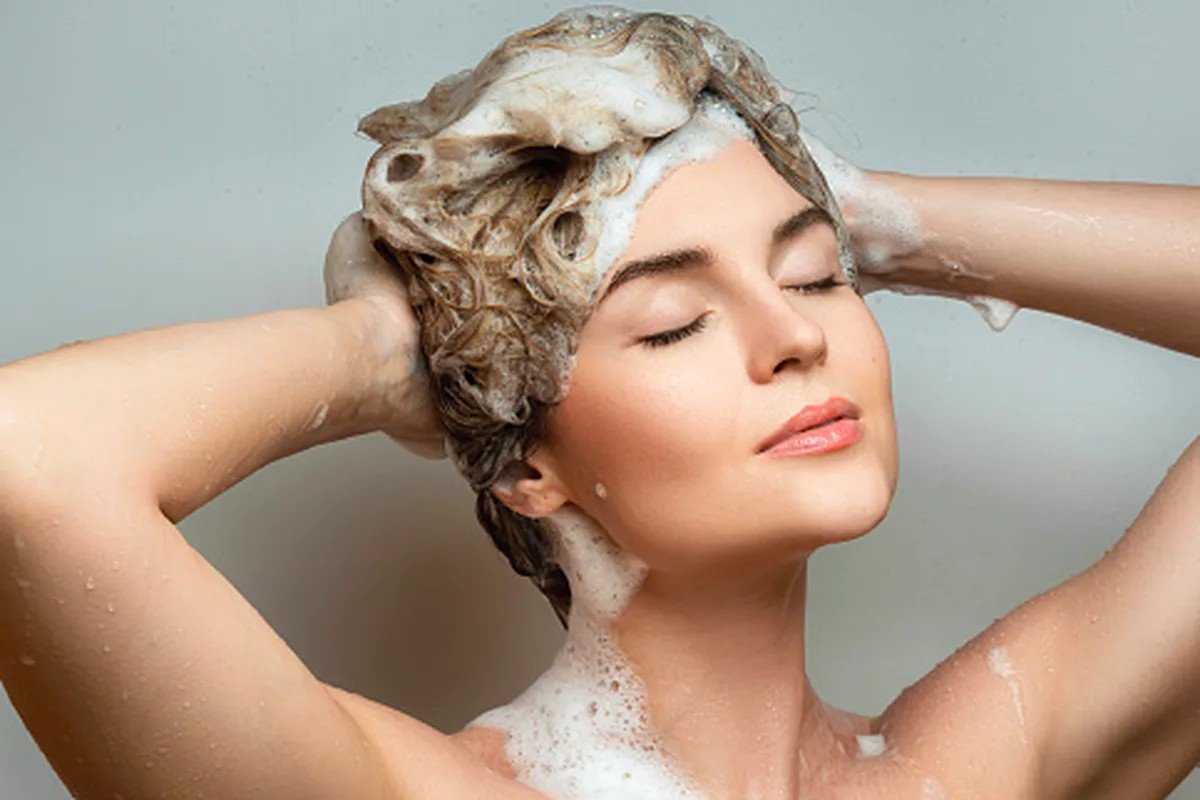
- Rinse Thoroughly with a Gentle Shampoo: Wash hair until completely clean to ensure no residual oil remains, which can attract dust.
Frequently Asked Questions (FAQ)
Is it permissible to leave hair oil on overnight (overnight oiling)?
It is acceptable for dry hair shafts, but it is not recommended to leave thick oils on the scalp overnight as this can trap impurities and trigger scalp acne in individuals with sensitive pores.
How can I effectively rinse out stubborn hair oil for quick cleansing?
Apply conditioner to your oil-coated hair *before* wetting it with water. Gently distribute, then rinse and proceed with shampoo. The oil will emulsify and rinse out more easily with the conditioner.
Are hair oils safe for very fine, easily weighed-down hair?
Yes, they are safe. Use a tiny amount, just 1 drop, of jojoba oil or argan oil specifically on the lower ends of the hair.
How many times per week is a hair oiling treatment ideally performed?
One to two times per week is generally sufficient to maintain hair’s nutritional balance without overburdening the follicles.
Conclusion
The purity of natural oils is nature’s finest gift for nurturing the beauty of our crowning glory. By understanding the characteristics of each oil type and applying them with the correct techniques, hair that is healthy, voluminous, supple, and dazzlingly radiant will always be your source of pride.