Noticing strands of hair on your bedroom floor or caught in your comb can often trigger deep-seated anxieties. Mild hair shedding is a natural part of the follicle regeneration cycle, but when the number of fallen strands increases with each wash, your scalp is signaling that your hair’s anchoring requires additional fortifying nutrients.
The key to reinforcing the foundation of your hair strands lies in delivering micronutrients that penetrate directly into the follicular bed and promoting healthy microcirculation in the scalp. The Nusantara region (Indonesia) holds a rich treasure trove of medicinal plants and botanical spices, passed down through generations, for naturally nurturing hair vitality without burdening the scalp with harsh synthetic chemical compounds.
Why Do Hair Follicles Lose Their Anchoring Strength?
Before we delve into crafting herbal remedies, it’s crucial to understand the biological mechanisms behind weakened hair follicles. Hair follicles receive their supply of oxygen, minerals, and proteins directly from the blood capillaries located in the dermal layer.
When the body experiences prolonged fatigue, hormonal imbalances, or when the scalp is occluded by excess sebum and dandruff, the follicular pores can constrict. Consequently, the anagen (active growth) phase shortens, and hair enters the telogen (resting and shedding) phase prematurely. Botanical approaches work gradually to revitalize the scalp environment, making it conducive to new hair bud growth.
The Top Traditional Botanical Ingredients for Strengthening Hair Follicles
Here are some select herbal plants proven effective and safe for supportive at-home care:
1. Fresh Aloe Vera Extract
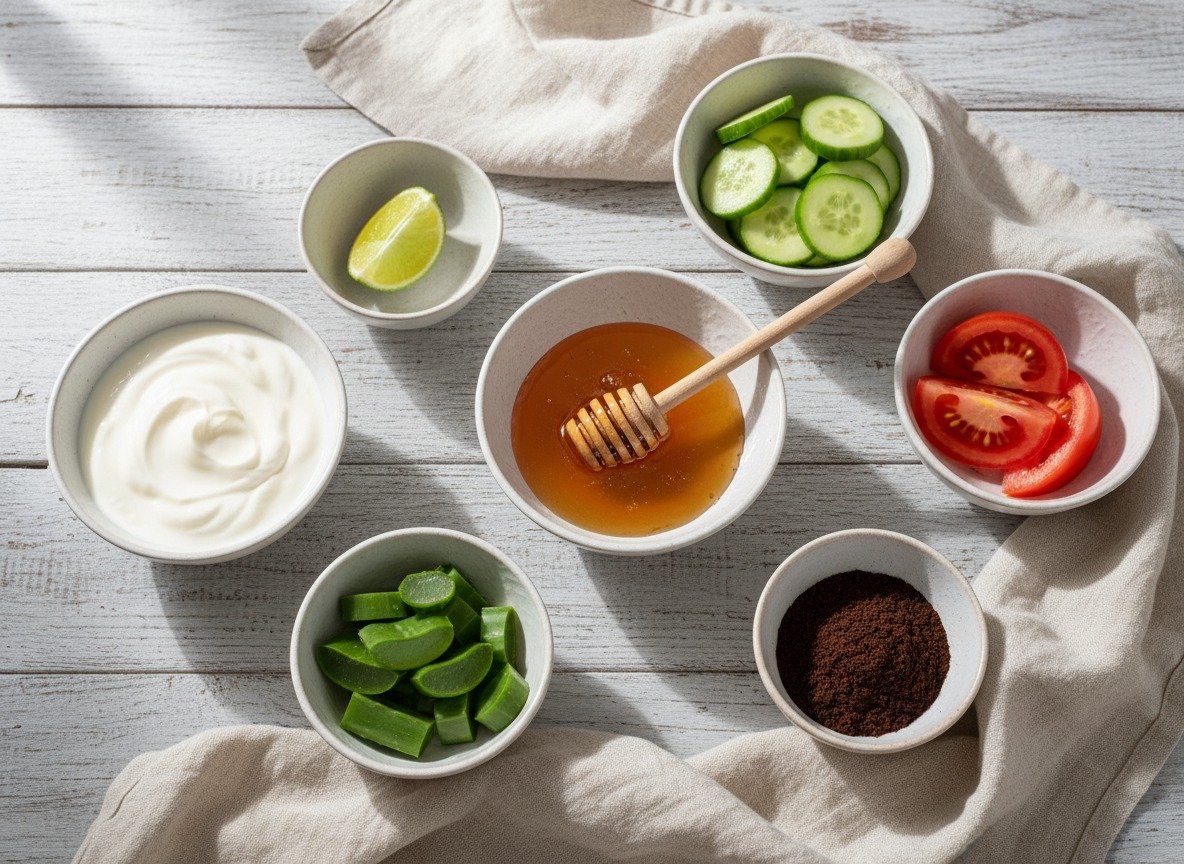
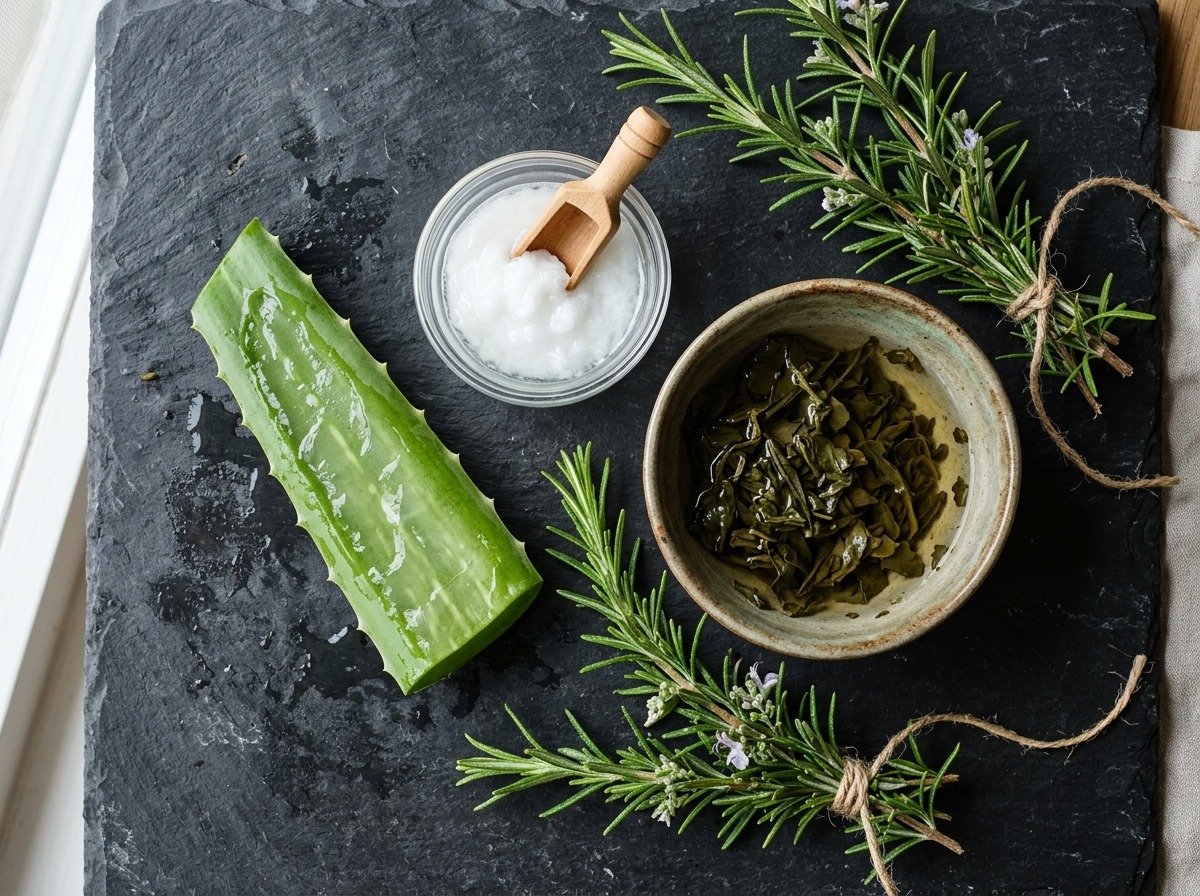
Pure aloe vera gel contains proteolytic enzymes that cleanse dead skin cells clogging follicles without stripping natural moisture. Its vitamin A, C, and E content acts as antioxidants, soothing mild inflammation on itchy or sensitive scalps.
2. Toasted Candlenut Oil (Aleurites Moluccanus)
Essential fatty acids like linoleic acid and oleic acid in candlenut oil have molecular sizes that allow them to penetrate the scalp’s pores. The application of warm candlenut oil, gently massaged in, helps nourish hair follicles, thicken hair shaft diameter, and impart a rich, natural sheen.
3. Brewed Gotu Kola and Rosemary Infusion
Gotu kola leaves are rich in phytonutrients and iron compounds that stimulate follicular activity. Combining them with a few sprigs of fresh rosemary as a herbal rinse helps invigorate peripheral blood flow in the scalp, acting as a refreshing tonic that strengthens hair strand anchoring.
Practical Steps for Applying Herbal Masks at Home
To ensure optimal absorption of natural ingredients by hair follicles, follow these application steps regularly:
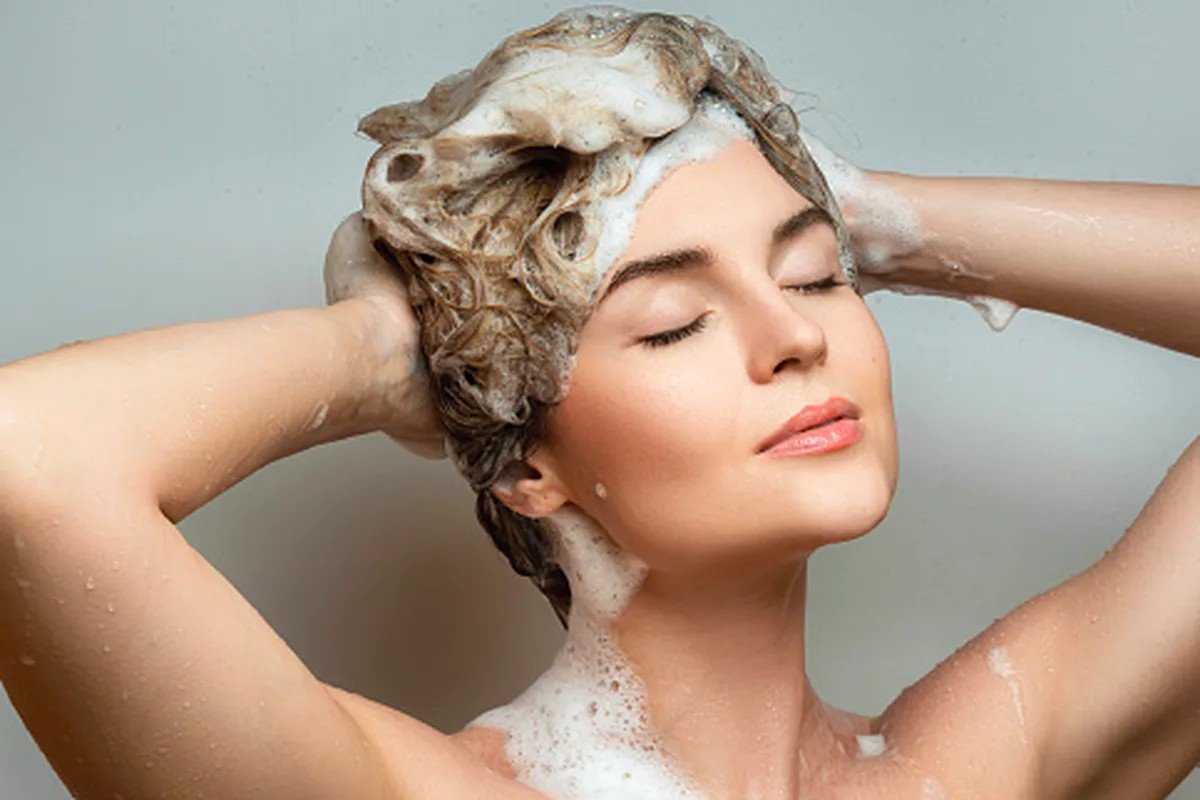
- Initial Cleansing: Ensure your scalp is clean after shampooing with lukewarm water to gently open the pores.
- Even Application: Apply pure aloe vera gel or candlenut oil directly to the scalp using your fingertips, parting the hair into sections to ensure no area is missed.
- Gentle Circular Massage: Perform a gentle, circular massage for 5 to 10 minutes with light pressure. This massage helps release scalp nerve tension and promotes capillary blood flow.
- Rest and Rinse: Allow the herbal mixture to penetrate for 20 to 30 minutes, then rinse thoroughly with a gentle foaming shampoo until no oily residue remains.
Salwa Salon Editorial Note: Patience and consistency are the cornerstones of natural ingredient-based treatments. The human body responds to botanical touch gradually and harmoniously. Do not expect instant overnight transformations; instead, savor every self-care process as an expression of gratitude for the gift of your body.
Questions About Natural Hair Care
How many times a week should this natural mask be used?
For balanced results without inducing oil buildup, use the natural mask consistently 1 to 2 times per week.
Is candlenut oil safe for scalps prone to dandruff?
If your scalp is oily or has moist dandruff, opt for aloe vera or a brewed gotu kola infusion instead, as rich oils can potentially clog pores if rinsing is not thorough.
How long does it take for hair shedding to begin reducing?
Follicular repair cycles typically start showing noticeable changes after 6 to 8 weeks of consistent use, complemented by a balanced nutritional intake.
Can these herbal treatments cure hair loss due to genetic factors?
Natural ingredients work to strengthen existing active hair strands and promote scalp health. For severe hair loss triggered by genetic pattern baldness or hormonal imbalances, consult a dermatologist.
Nurture your hair with gentleness and heartfelt dedication. By maintaining scalp hygiene and regularly providing the best botanical nutrition, the beauty and strength of your hair will be naturally preserved over time.