
Hijab fashion has embarked on a significant journey, evolving from deeply ingrained traditions to becoming an integral part of global modern fashion trends. Historically, the hijab was recognized primarily as a symbol of modesty and adherence to religious values. However, with the passage of time, the hijab has transcended its religious identity to become a fashion statement capable of harmonizing traditional and contemporary aesthetics.
Dear beauty aficionados of salwasalon.com, in this article, we will explore the evolution of the hijab through the ages, delve into its increasing popularity, and provide insights on how you can maintain a beautiful and stylish appearance with a chic hijab without compromising your values of modesty.
1. The Hijab in the Traditional Era: A Symbol of Simplicity
In its nascent stages, the hijab was worn as an embodiment of the modesty principles taught by religion. Across various cultures, the hijab manifested in diverse forms, ranging from simple headscarves to full-body abayas. In Indonesia, traditional hijabs often featured fabrics like selendang (scarves), kebaya (traditional blouses), and kerudung segi empat (square headscarves) draped in a manner that was both simple and elegant.
During this period, the emphasis was predominantly on function rather than style. The hijab served the purpose of covering and protecting the ‘aurat’ (parts of the body considered private), with minimal variation in design or color. Traditional hijabs were typically confined to solid hues such as white, black, or cream, and were secured using practical methods with minimal embellishments.
Yet, amidst this simplicity, there resided a distinct beauty. The materials employed in traditional hijabs often showcased inherent quality, from luxurious silk to fine cotton, frequently paired with traditional attire.
2. The Hijab in the Modern Era: A Transformation Towards Style
With the advent of modernization and globalization, the hijab underwent a profound transformation. In this era, the hijab began to integrate into a more dynamic fashion landscape. A plethora of innovations in hijab styling and wearing techniques emerged, featuring fresher and more varied designs.
One prominent trend that gained traction was the use of hijabs with vibrant patterns and colors. Furthermore, pashminas and shawls emerged as popular alternatives to the classic square hijab. The hijab began to be accessorized with contemporary elements such as brooches, headbands, and turbans, thereby cultivating a more fashionable and chic aesthetic.
The hijab is no longer solely viewed through a religious lens but also as a medium for personal style expression. Both local and international designers have commenced creating hijab collections that align with global fashion trends, prioritizing comfort and aesthetics suitable for everyday wear or special occasions.
In the digital age and the era of social media, the hijab has now become a significant component of the global fashion industry. Hijab and modest fashion influencers have paved the way for bolder, more creative hijab styles that remain respectful of modesty principles.
Today, hijabs are available in a wide array of styles, from minimalist to avant-garde, and from casual to formal. The influence of international trends such as street style, athleisure, and runway fashion has rendered the hijab more dynamic. Layered hijab styles and the use of flowing fabrics like chiffon and voal have become highly sought-after trends.
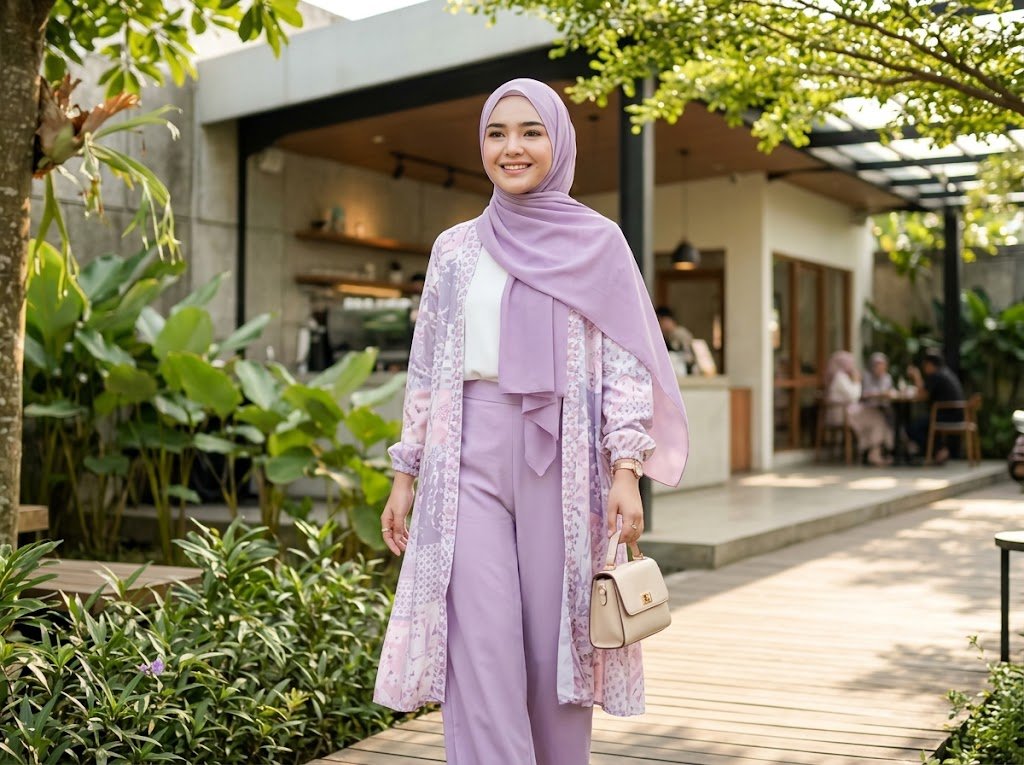
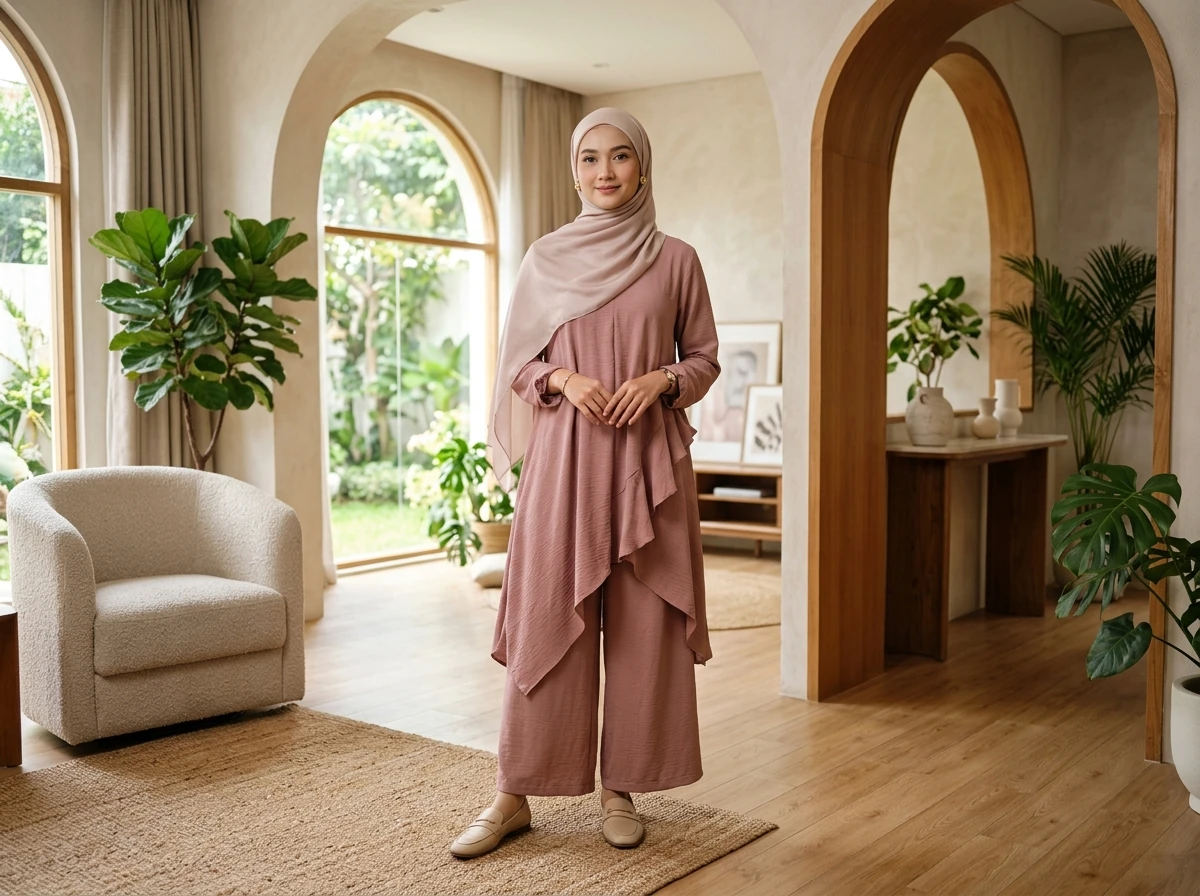
Contemporary hijab styling also empowers women to experiment with more personalized looks. Many opt to pair their hijabs with oversized garments, blazers, long coats, and even palazzo pants to achieve a modern, comfortable, and stylish ensemble.
4. Modest Fashion: The Hijab on the Global Stage
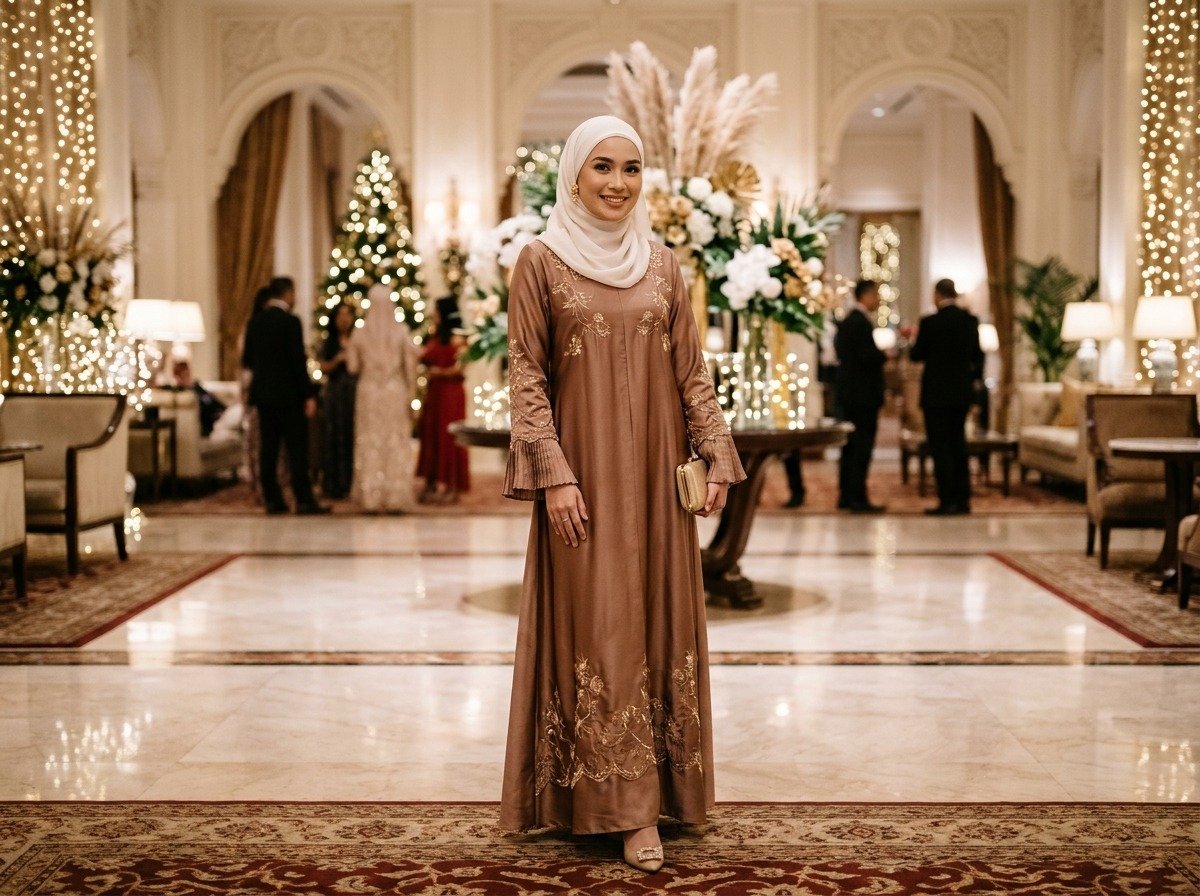
The hijab has transcended its status as a purely local cultural element to gain recognition on the international fashion scene. Prestigious fashion weeks in major global cities like New York, Paris, and Jakarta now regularly feature modest fashion collections that prominently incorporate the hijab.
Renowned hijab designers such as Dian Pelangi and Anniesa Hasibuan have elevated the hijab to new heights, showcasing hijab ensembles that artfully blend luxury with modesty. Their collections have garnered significant appreciation from global fashion enthusiasts who recognize the hijab’s potential as a symbol of an inclusive and innovative modern lifestyle.
Moreover, an increasing number of mainstream fashion brands, from Uniqlo to Nike, are launching hijab collections, solidifying the hijab’s position as a vital element of global modest fashion. These innovations underscore the fact that the hijab can be both stylish and a faithful expression of personal beliefs.
5. Tips for Stylish Everyday Hijab Wear
If you aspire to achieve a beautiful and captivating look with your hijab, here are some simple tips you can incorporate into your daily style:
- Opt for comfortable hijab fabrics such as cotton or voal, especially for all-day activities.
- Coordinate your hijab color with your outfit. Neutral tones like cream, black, and navy pair seamlessly with a variety of ensembles.
- Don’t hesitate to experiment with patterned hijabs to add a playful and dynamic flair to your appearance.
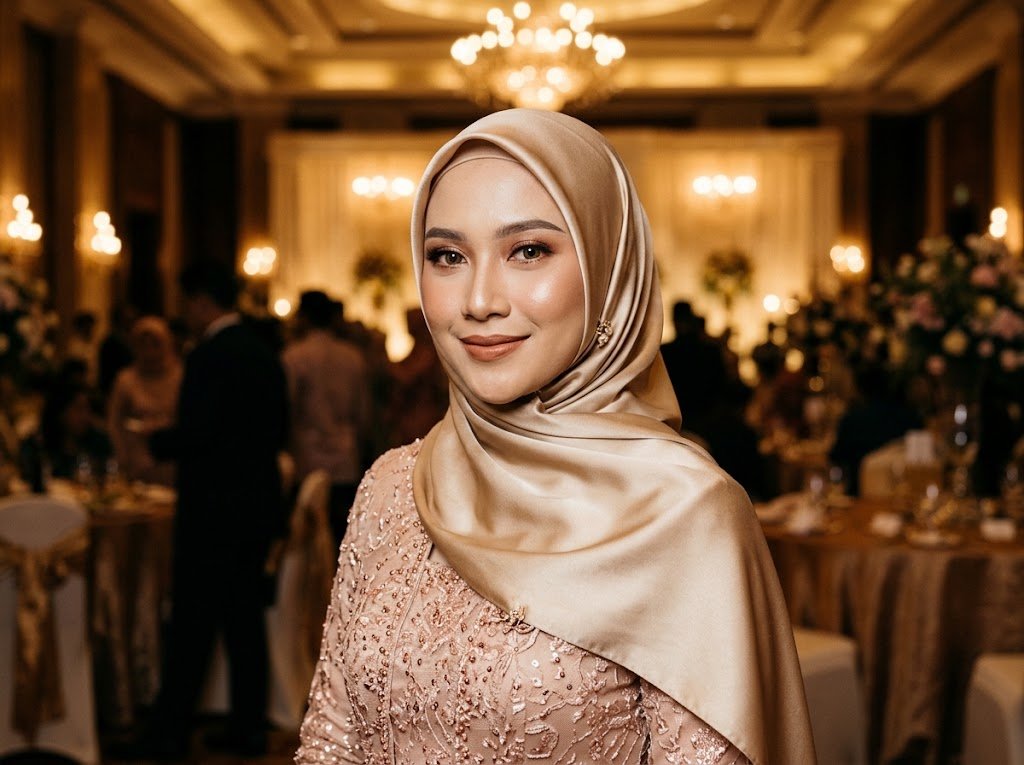
- Incorporate subtle accessories like hijab-friendly earrings or elegant brooches for a touch of glamour.
- For a relaxed yet chic look, consider styling with a turban or an instant hijab in a minimalist design.
Salwa Salon’s Expert Advice
The evolution of hijab fashion is not merely a reflection of changing trends but also a testament to modern inclusivity, creativity, and self-expression. From its traditional roots to its contemporary manifestations, the hijab has become an indispensable part of the dynamic fashion world. With judicious selection of styles and fabrics, the hijab can ensure your appearance remains consistently fashionable, elegant, and captivating. Therefore, dear beauty besties, let us celebrate the beauty of the hijab by continuously experimenting with styles while remaining steadfast in our core values.

Tinggalkan Balasan