
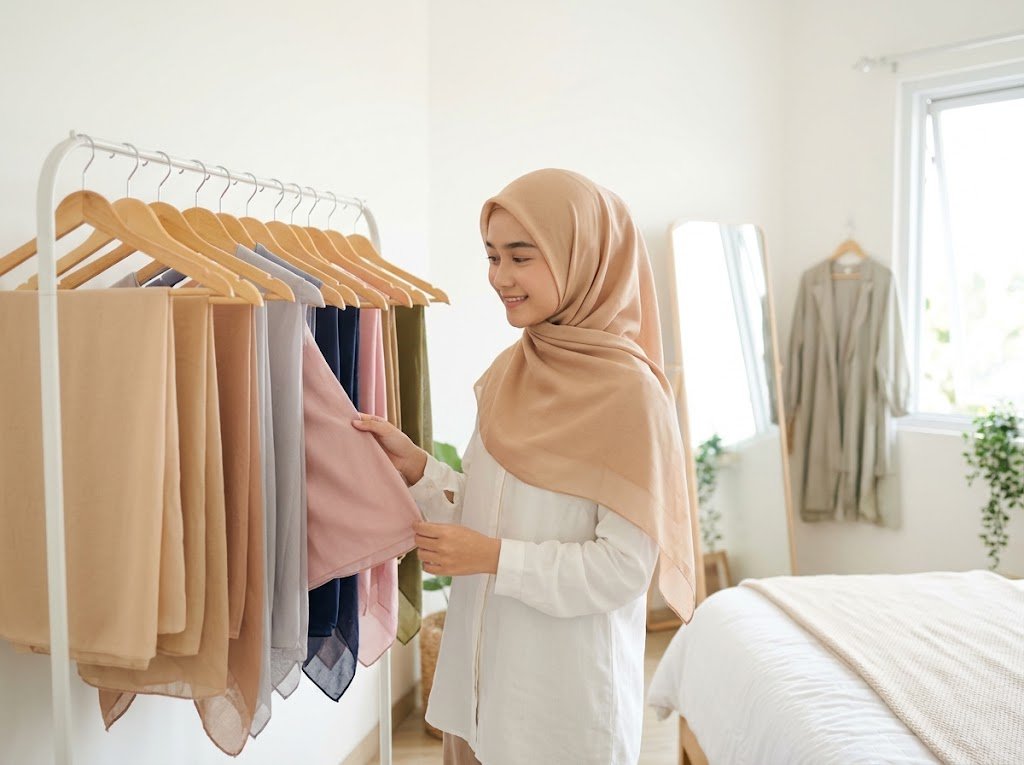
The need for professional visual portfolios for modest fashion on digital storefronts is often hampered by the high cost of studio rentals, limited camera equipment, and time-consuming preparation. When you aim to consistently present captivating hijab style inspiration, artificial intelligence technology emerges as an efficient creative tool.
- 4.1 What are the best AI applications for generating aesthetic hijab photos?
- 4.2 How can I avoid damaged or distorted fingers in AI-generated images?
- 4.3 Can AI-generated visuals be used for modest fashion business promotional materials?
- 4.4 Why do AI renders of women in hijabs often appear to be Western individuals wearing headscarves?
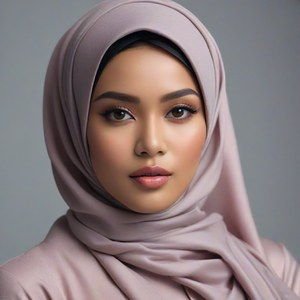
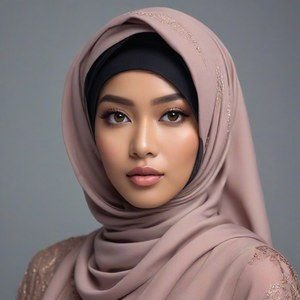
Crafting aesthetic hijab photos using AI demands a structured descriptive framework that includes specifications for hijab fabric types, editorial natural lighting techniques, camera angles, and realistic modest attire proportions without anatomical distortion.
Reader Note: This article contains independent digital creative guidance from the Salwa Salon editorial team for educational purposes in creating modest fashion content.
The Foundational Structure of AI Prompts for Modest Fashion Visuals
Generative artificial intelligence functions by translating descriptive words into visual representations based on its learned datasets. Inputting general instructions like “beautiful woman in hijab” often results in cliché visuals with unnatural, plastic-like facial textures.
To achieve visuals on par with editorial fashion magazines, you need to construct prompts using a four-pillar formula: subject and skin tone, attire material details and hijab draping techniques, lighting ambiance, and photographic lens technical parameters.
Specify the type of hijab fabric precisely, such as a structured cotton voile or a soft, flowing silk chiffon pashmina that drapes gently over the chest. Accurate material descriptions help the AI engine render convincing fabric drapery that adheres to physical laws.
4 Key Elements for Characterful Prompts
The first element is the affirmation of the subject and natural skin texture. Use descriptions like “Indonesian woman with authentic microporous skin texture and natural dewy makeup” to avoid excessive airbrushing or porcelain filter effects.
The second element is the photographic lighting setup. Opt for terms like “soft morning sunlight” or “gentle directional golden hour from the side” that highlight fabric weave and color depth without harsh shadows.
The third element is the selection of color palettes and environmental backgrounds. Describe minimalist settings such as a “warm travertine stone patio,” “oak wood wall paneling,” or a “neutral Scandinavian-architectural coffee shop interior.”
The fourth element is the implementation of strict negative prompts. Always include prohibitions against “tight clothing that clings to the body,” “unnatural fabric folds,” “finger distortion,” and “disproportionate cartoonish facial expressions.”
| Prompt Component | Specific Description Example | Resulting Visual Objective |
|---|---|---|
| Subject & Character | Indonesian Muslim woman, authentic skin texture | Avoids unrealistic waxy/plastic faces |
| Textile & Hijab | Draped cream voal hijab covering chest, linen blouse | Maintains modesty principles and fabric fiber detail |
| Studio Lighting | Soft directional morning window light, warm tone | Provides elegant natural shadow dimension |
| Camera Parameters | Shot on 85mm f/2.0 portrait lens, shallow depth | Sharp focus on subject with a soft background |
Fatmawati Tahir — Practitioner & Beauty Editor at Salwa Salon: The greatest challenge in creating AI hijab visuals is the neatness of fabric convergence under the chin and shoulder curves. Avoid using overly complex fashion style descriptions in a single prompt; focus on one structured outfit and a plain hijab to prevent the AI from generating images where fabric appears to penetrate the skin.
Learn about the characteristics of comfortable head coverings in the real world through our review on tips for choosing breathable hijab fabrics.
Discover inspiration for modern ethnic outfit pairings in our article on hijab batik outer styling ideas.
Ethics and Limitations of Digital Visual Usage
Artificial intelligence technology should be positioned as a creative moodboard and a conceptual visualization tool, not a means for dishonest manipulation of commercial product realities. If you use AI-generated images for online store promotions, include a transparency statement that the visuals are conceptual illustrations.
Ensure that the resulting visuals uphold the ethical values of modest Muslim attire without exploiting body silhouettes. Maintaining authenticity and message integrity is far more valuable in building a trusted brand reputation.
Frequently Asked Questions (FAQ)
What are the best AI applications for generating aesthetic hijab photos?
Generative platforms such as Midjourney, Stable Diffusion, and DALL-E currently possess the strongest capabilities in understanding complex textile prompts and producing editorial photographic lighting that mimics authentic camera shots.
How can I avoid damaged or distorted fingers in AI-generated images?
The key is to instruct specific hand poses within the prompt, such as “both hands holding a ceramic mug” or “hands folded casually in lap.” Also, include “hand distortion” keywords in the negative prompt parameters.
Can AI-generated visuals be used for modest fashion business promotional materials?
Yes, they can be used as supporting imagery for creative social media campaigns or as background illustrations for collection themes, provided that the platform’s commercial usage rights are met and they do not mislead buyers about the actual physical product details.
Why do AI renders of women in hijabs often appear to be Western individuals wearing headscarves?
This occurs if you do not clearly define the subject’s ethnicity at the beginning of the prompt. Always explicitly state the subject as an “Indonesian woman” or “Southeast Asian woman” so that the algorithm incorporates accurate facial features and tropical skin tones.


Tinggalkan Balasan