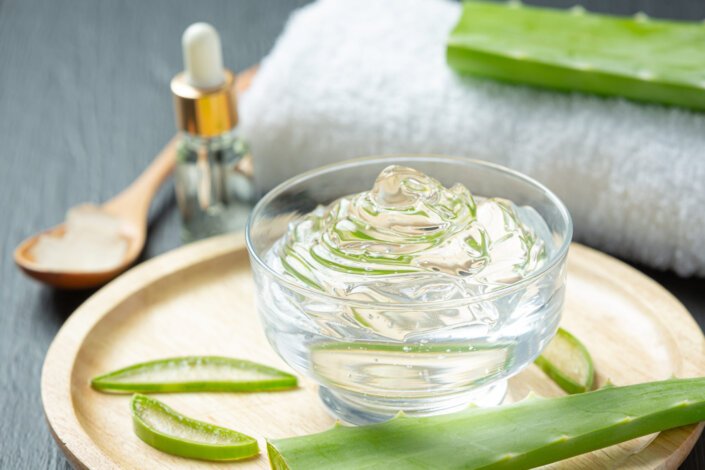
For centuries, across generations, the aloe vera plant has been revered in the Nusantara region as one of the most potent herbal remedies for nurturing hair vitality and beauty. The clear gel contained within its fleshy leaves is a treasure trove of exceptional nutrients that not only soothe an itchy scalp aggravated by harsh sun exposure but also deliver profound hydration to dry, stiff hair strands.
Consistently utilizing fresh aloe vera gel at home is a safe, budget-friendly, and proven natural method to achieve smoother, fuller, and naturally lustrous hair without the risk of exposure to harsh synthetic chemicals.
The Remarkable Nutritional Profile Behind Aloe Vera Gel
Biochemically, aloe vera gel is composed of 96 percent pure water, enriched with over 75 beneficial bioactive compounds. This plant contains natural proteolytic enzymes that work to slough off dead skin cells accumulating around hair follicle ostia, effectively combating dry dandruff and clearing the path for new hair shafts to emerge freely.
In addition to cleansing enzymes, aloe vera is rich in vitamins A, C, and E, which act as antioxidants to neutralize free radicals. It also provides vitamin B12 and folic acid, crucial for preventing hair root shedding. The amino acid structure within aloe vera closely mimics human hair keratin, enabling it to penetrate and nourish the cuticle layers efficiently.
5 Practical Ways to Use Aloe Vera for Smooth and Voluminous Hair
1. Pure Aloe Vera Gel Mask for Scalp Rejuvenation
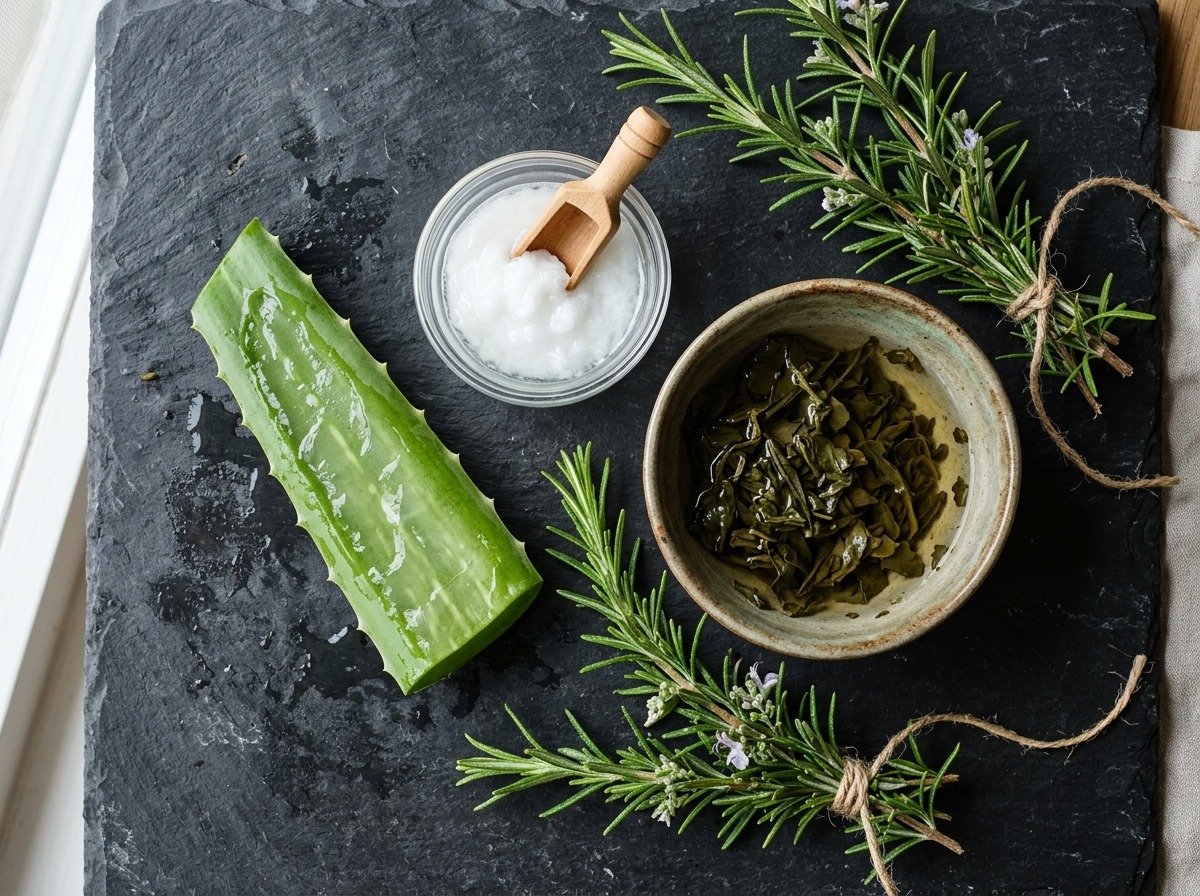
Take a fresh aloe vera leaf, peel off the green outer skin, and scoop out the clear gel. Blend until smooth and strain to remove any fibrous material. Apply the pure gel directly to your scalp and hair strands, massaging gently for 5 minutes. Leave it on for 30 minutes, then shampoo as usual. This treatment soothes irritated scalps and provides instant cooling relief.
2. Aloe Vera and Olive Oil Elixir for Dry Hair
Combine 3 tablespoons of smooth aloe vera gel with 2 tablespoons of pure extra virgin olive oil. The oleic acid and polyphenols in olive oil work synergistically with aloe vera’s hydration to soften coarse hair strands and lock in moisture along the hair shaft, preventing frizz.
3. Aloe Vera and Castor Oil Blend for Hair Thickening
Castor oil is renowned for its rich, viscous texture and high concentration of ricinoleic acid, which promotes hair growth. Mix 2 tablespoons of aloe vera gel with 1 tablespoon of castor oil. Apply this mixture focusing on thinning areas of the scalp twice a week to stimulate root strengthening.
4. Aloe Vera and Raw Honey Mask for Natural Shine
Honey acts as a natural humectant, capable of attracting and binding water molecules from the air. Combine 2 tablespoons of aloe vera gel with 1 tablespoon of raw honey. Apply evenly from mid-lengths to the ends of your hair, leave on for 20 minutes, then rinse. Your hair will appear healthily lustrous and feel exceptionally soft to the touch.
5. Aloe Vera and Coconut Oil for Mild Dandruff Control
Pure virgin coconut oil (VCO) possesses natural antimicrobial properties due to its lauric acid content. Combining aloe vera gel with coconut oil helps to balance the scalp’s microbial flora, alleviate itching, and gradually reduce white dandruff flakes.
The Importance of Rinsing Out Yellow Sap (Aloin) Before Use:
A common reason people abandon fresh aloe vera is the onset of itching and redness on the scalp post-application. This is not caused by the clear gel itself, but by the yellowish-brown sap (aloin) located just beneath the outer skin layer of the leaf. Always trim the base of the aloe vera leaf and stand it upright in a container for 15 minutes to allow the yellow sap to drain completely. Then, rinse thoroughly under running water before extracting the gel. — Salwa Salon Editorial Team
Guide to Storing Fresh Aloe Vera Gel at Home
Preparing fresh aloe vera gel can be done in practical quantities:
- Refrigerate: Store the pureed aloe vera gel in an airtight glass jar and keep it in the refrigerator. Pure gel without preservatives can remain fresh for up to 7 days.
- Freeze in Ice Cube Trays: You can also pour aloe vera gel into ice cube trays and freeze them. Take out one or two aloe ice cubes when needed and allow them to thaw naturally at room temperature.
Frequently Asked Questions About Aloe Vera for Hair (FAQ)
How many times a week should an aloe vera mask be applied?
Regular use 2 to 3 times a week is sufficient to provide optimal nourishment without making the scalp feel overly hydrated.
Is aloe vera safe to use on color-treated hair?
It is very safe. Aloe vera has a natural pH close to that of hair, so it will not strip hair color pigments.
Can I leave aloe vera gel in my hair overnight?
Yes, you can, provided the yellow sap has been thoroughly rinsed out and your scalp is not prone to fungal dandruff. Rinse thoroughly with a gentle shampoo in the morning.
Is store-bought aloe vera gel as effective as fresh plant gel?
Packaged gels are convenient, but always check the ingredient list. Opt for products with a high percentage of pure aloe vera and free from drying alcohols or excessive artificial fragrances.