Experiencing hair that becomes limp, flat against the scalp, oily, and loses volume just hours after shampooing is a common complaint, particularly in tropical regions. High ambient temperatures and humidity stimulate the scalp’s sebaceous glands to overproduce sebum and sweat. Limp hair not only ruins hairstyles and creates a tired appearance but is often accompanied by an irritating itch that can undermine social confidence.
Many individuals respond to this issue by repeatedly washing their hair with harsh shampoos, which ironically triggers even more vigorous oil production. Effectively managing limp hair requires a balanced approach using natural ingredients proven to regulate sebum without stripping the scalp’s essential moisture.
Understanding the Mechanism Behind Excessive Limp Hair
Sebum is naturally a lubricant that maintains hair strand flexibility. However, when sebum production surges due to hormonal fluctuations, stress, consumption of fatty foods, or buildup of hair styling product residue in the follicles, the oil quickly coats the hair roots. This heavy oil layer weighs down the hair strands, causing them to clump together and lose their natural vertical lift (root lift). Using shampoos that excessively strip oil can also trigger the phenomenon of rebound seborrhea, where a shocked, overly dry scalp compensates by producing double the amount of oil as a defense mechanism.
4 Natural Methods to Combat Limp Hair for Fresh Volume
1. Applying a Mask of Fresh Aloe Vera Gel and Lemon Juice
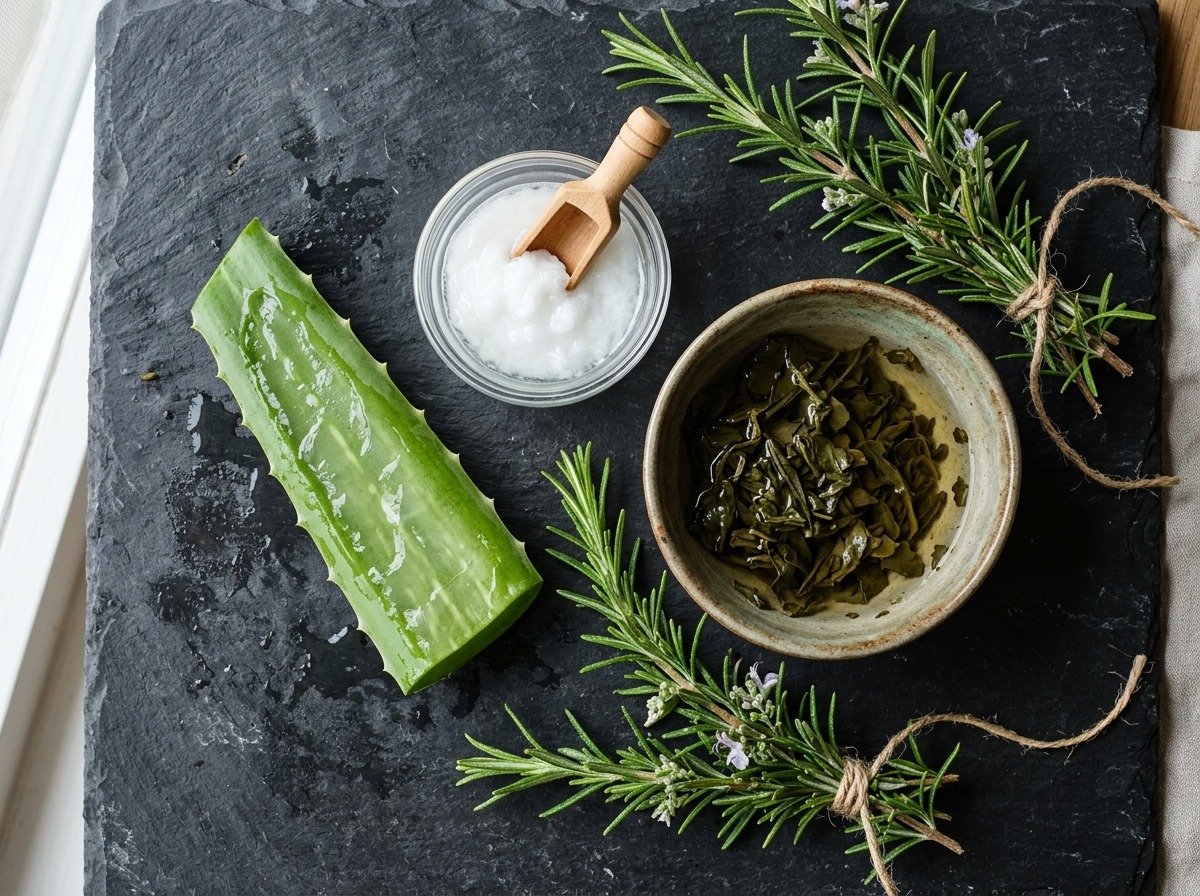
Aloe vera contains natural astringent enzymes that cleanse excess oil and dead skin cells without depleting the scalp’s essential moisture. Combine 3 tablespoons of finely pureed fresh aloe vera gel with 1 teaspoon of pure lemon juice. Apply this mixture directly to the scalp when hair is damp, leave it on for 15 minutes, then rinse thoroughly. The gentle citric acid in lemon balances the scalp’s pH and dissolves stubborn oil crusts.
2. Use a Green Tea Rinse
Green tea is rich in epigallocatechin gallate (EGCG) polyphenols and antioxidants, which are dermatologically proven to inhibit the activity of the 5-alpha reductase enzyme, a trigger for excessive oil production. Steep two pure green tea bags in hot water, let it cool to room temperature, and then use the green tea as a final rinse on your scalp after shampooing, without rinsing with plain water afterward.
3. Utilize Diluted Apple Cider Vinegar as a Natural Clarifier
Apple cider vinegar (ACV) contains natural acetic acid that acts as a natural clarifying agent. Dilute 2 tablespoons of ACV in one glass of clean water. Pour this solution onto your scalp once a week after rinsing out shampoo to normalize the scalp’s acid mantle, dissolve silicone buildup, and impart natural volume to the hair strands.
4. Employ Cornstarch (Maizena) as an Emergency Natural Dry Shampoo
If you need an instant solution when your hair suddenly becomes limp during the day but you haven’t had time to wash it, lightly dust pure cornstarch onto your roots using a clean makeup brush. Cornstarch has exceptional oil-absorbing properties without clogging pores. Let it sit for 2 minutes, then comb your hair evenly to remove any white powder residue; your hair will instantly regain volume.
The Golden Rule for Using Conditioner on Limp-Prone Hair:
The most critical mistake made by those with limp hair is applying conditioner all the way to the scalp. The scalp already produces abundant natural oils; adding conditioner to the root area will immediately make hair limp within an hour of showering. Apply conditioner only from the ear line down to the ends of the hair strands, and always rinse thoroughly with cool water. — Salwa Salon Editorial Team
Daily Habits to Prevent Hair from Becoming Oily Quickly
Maintaining voluminous hair requires disciplined daily habits:
- Avoid Touching Your Hair Repeatedly: Our palms carry natural oils and dirt that transfer to hair strands every time you run your fingers through your bangs.
- Clean Your Hairbrush Regularly: Brushes absorb oil and dust from previous use. Wash your brush with warm, soapy water once a week to avoid transferring old oils back to freshly washed hair.
Frequently Asked Questions About Managing Limp Hair (FAQ)
How often can an aloe vera mask be applied for limp hair?
Use an aloe vera mask 2 to 3 times a week consistently to help gradually control scalp sebum production.
Can washing hair twice a day help with limp hair?
This is not recommended. Washing hair twice a day can dehydrate the scalp and stimulate the oil glands to produce even more sebum.
Is lemon juice safe for sensitive scalps?
Always dilute lemon juice with aloe vera gel or clean water to reduce its acidity, and never apply pure lemon juice directly to a scalp that has open wounds or abrasions.
What haircut is best for disguising limp hair?
Layered haircuts (shaggy or layered cuts) and voluminous short cuts like a graduated bob are highly effective at creating the illusion of fuller, thicker hair.