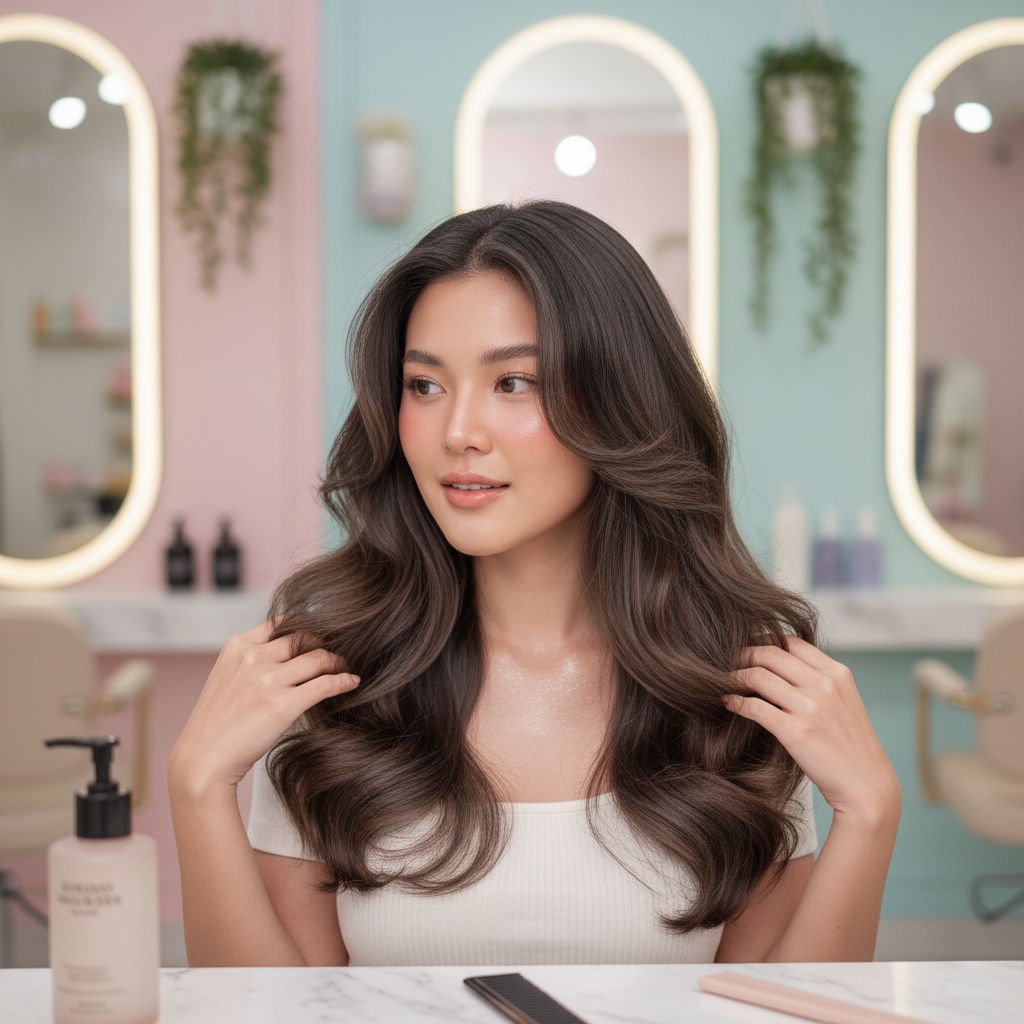
Living in a tropical climate with high humidity presents unique challenges for scalp health. Hot weather often accelerates sweat and oil production, leading to limp, unmanageable, and dull-looking hair. This condition can certainly diminish confidence during daily activities.
Limp hair is primarily caused by excess sebum buildup on the scalp, which can be effectively managed with proper hair washing techniques and the selection of lightweight care products.
Fatmawati Tahir’s Note: “Using a clarifying shampoo at least once or twice a month is highly recommended to remove styling product residue and mineral deposits that can clog scalp pores.”
Primary Causes of Limp Hair
Before implementing solutions, understanding the root cause is crucial. The sebaceous glands on the scalp naturally produce oil to protect hair follicles. However, stress, hormonal fluctuations, pollution exposure, and diets high in fat can cause these glands to overproduce. Additionally, constantly touching your hair with bare hands transfers dirt and oil from your fingers directly to the hair strands.
7 Effective Steps to Combat Limp Hair
Restoring hair volume and freshness doesn’t require a complicated regimen. Implement these routine changes for optimal results.
1. Regulate Your Hair Washing Routine
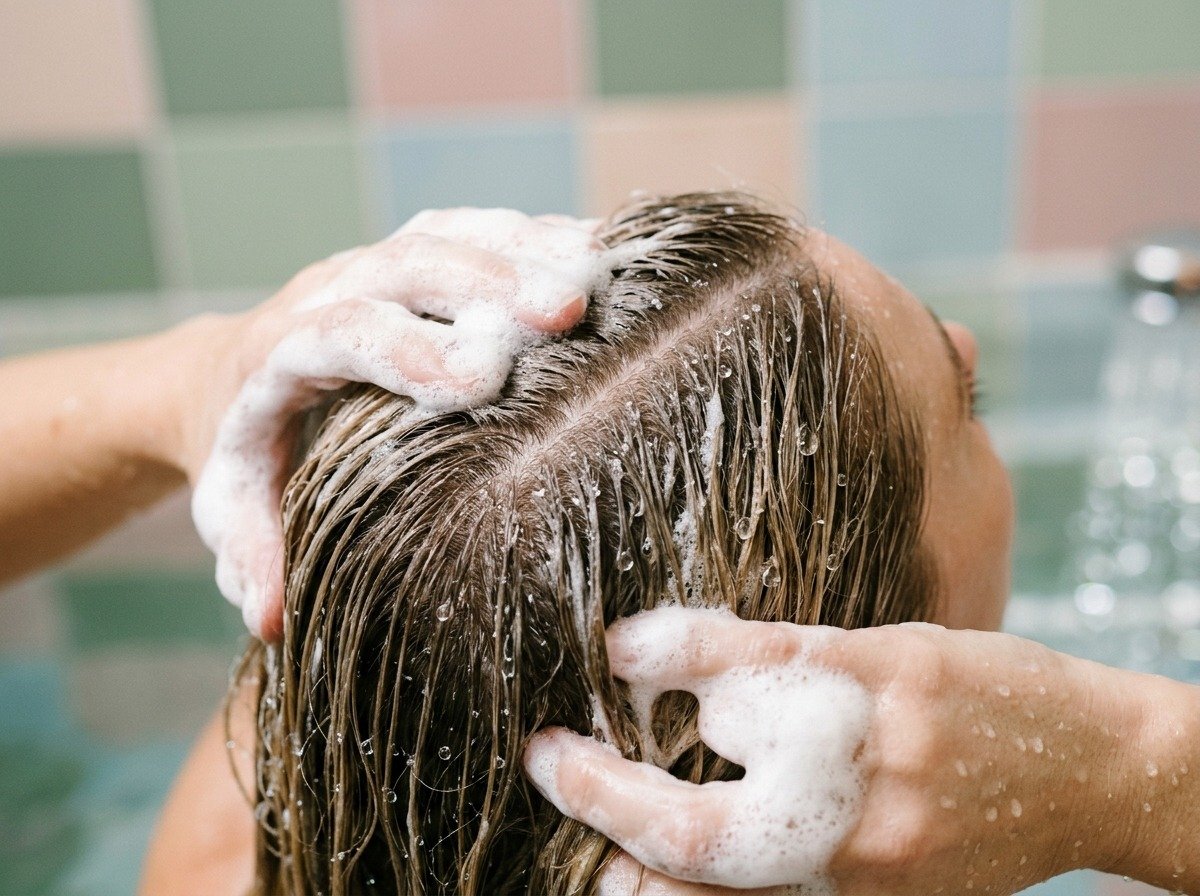
While your hair may feel oily, washing it twice a day can strip natural oils, prompting the glands to produce even more sebum. The ideal frequency is once daily or every other day, using a clear, lightweight shampoo specifically formulated for oily scalp concerns.
2. Adjust Your Shower Water Temperature
Showering with excessively hot water can stimulate oil glands and severely dry out the scalp. Use lukewarm water for washing, then rinse with cool water as a final step to seal the hair cuticle, enhancing shine.
3. Use Conditioner Wisely
Conditioner is a rich moisturizer, so applying it to the scalp is a major mistake for those with limp hair. Apply conditioner only from the mid-lengths to the ends of your hair, which are typically drier and more prone to split ends.
4. Utilize Dry Shampoo Correctly
As a first-aid solution between washes, dry shampoo can instantly absorb oil at the roots. Spray it about 6 inches away from the scalp, let it sit for a few minutes, then brush through to distribute evenly and avoid white residue.
5. Exfoliate Your Scalp
Just like your face, your scalp needs exfoliation to remove dead skin cell buildup. You can use a commercial scalp scrub or create a gentle DIY treatment once a week.
6. Minimize Heavy Styling Products
Reduce your use of gels, oil-based pomades, or sticky hairsprays. If you must style your hair, switch to powder-based products (hair dust/powder) that provide natural volume without weighing down the hair strands.
7. Maintain Clean Styling Tools
Infrequently cleaned combs and brushes are breeding grounds for oil, dirt, and bacteria. Washing your hair thoroughly will be in vain if you then use a dirty comb. Soak your brushes in soapy warm water weekly to maintain hygiene.
Oily Scalp Washing Pattern:
Using hot water during shampooing can stimulate sebum glands to produce more oil as compensation for a dry scalp. Always rinse hair with room temperature or cool water to ensure hair cuticles close tightly and the scalp remains calm. — Salwa Salon Editorial Team
The Importance of Regular Scalp Exfoliation
Similar to facial skin, the scalp experiences buildup of dead skin cells and residual styling products that aren’t fully removed by regular shampooing. Gentle scalp exfoliation once a week helps to cleanse hair follicle pores of hardened sebum blockages.
Opt for scalp scrub products containing natural ingredients like fine sea salt or a low dose of salicylic acid. With a clean scalp and freely breathing pores, hair roots will grow more upright, and hair strands will feel less heavy or limp against the head.
Frequently Asked Questions (FAQ)
Is it true that excessive brushing makes hair greasier faster?
Yes. Over-brushing distributes oil from the roots throughout the hair’s length, while also stimulating the scalp to produce more oil.
What is the difference between dry dandruff and oily dandruff that often appears with limp hair?
Dry dandruff appears as small, white flakes that fall off, whereas oily dandruff (seborrheic dermatitis) is mixed with excess sebum, adheres to the scalp with a yellowish hue, and is typically very itchy.
Can natural ingredients like lemon be used to reduce hair oiliness?
Lemon has natural astringent properties that can help. However, its acidic nature is quite potent, so its use should be very limited (diluted with water) and discontinued if the scalp shows signs of irritation or stinging.



Tinggalkan Balasan