
Watching viral social media videos showcasing long, floor-sweeping, lustrous hair thanks to a rice water rinse often sparks an immediate desire to try it in your own bathroom. However, concerns that the rice starch sediment might leave hair feeling stiff, brittle, or emitting a pungent sour odor frequently cause hesitation.
Fermented rice water contains inositol (Vitamin B8), ferulic acid, amino acid peptides, and Vitamin E, which are dermatologically proven to penetrate the hair cortex to improve strand elasticity and smooth damaged cuticle scales. Nevertheless, the effectiveness of this traditional treatment is highly dependent on hair porosity and limiting rinse duration to prevent protein overload, which can lead to hair stiffness.
The Historical Roots and Long Tradition of Hair Care in Asia
The practice of washing hair with rice water is not a recent social media trend without cultural roots. This tradition has been passed down through generations for centuries in various East Asian cultures, including in Huangluo Yao Village, Guangxi Province, China.
The women of the Yao ethnic group are renowned for their record-breaking healthy, jet-black hair, which often exceeds one meter in length even into old age. Their secret lies in a concoction of fermented glutinous rice water mixed with yuzu peel, ginger, and camellia seeds, which is then traditionally boiled and strained.
Ancient Japanese historical records from the Heian era (794–1185) also document the Yu-Su-Ru tradition, the custom of court ladies rinsing their long hair daily with rice-soaked water. These historical accounts indicate that local wisdom has long harnessed the biochemistry of rice fermentation long before the modern cosmetics industry emerged.
The Science Behind Inositol and Ferulic Acid
Modern trichology studies are beginning to objectively investigate what actually occurs when rice water interacts with human hair fibers. The most crucial molecule involved is inositol, a type of cyclic carbohydrate with a particle size small enough to penetrate the hair shaft.
Laboratory research indicates that inositol can remain within the hair cortex even after thorough rinsing with running water. The presence of inositol provides sustained protection from within the keratin fibers, enhancing strand flexibility during combing and reducing inter-strand friction.
The ferulic acid and allantoin content, formed during the fermentation process, act as potent antioxidants that soothe mild inflammation around the scalp follicles. These nutrients help maintain the stability of hair roots, promoting the growth of new strands that are more resilient to physical stress.
| Rice Water Nutrient | Chemical Compound Form | Mechanism of Action on Hair Strands | Visual Aesthetic Function |
|---|---|---|---|
| Inositol | Vitamin B8 (Cyclic Carbohydrate) | Penetrates the cortex and resides within inner fibers | Enhances flexibility and prevents breakage |
| Ferulic Acid | Plant Polyphenol Antioxidant | Combats free radicals from sun oxidation | Maintains natural hair color vibrancy |
| Hydrolyzed Amino Acids | Micron Protein Peptides | Fills gaps in highly porous hair cuticles | Smooths hair surface for easy detangling |
| Rice Starch | Amylose and Amylopectin | Physically coats the hair shaft surface | Adds volume to prevent hair from falling flat |
The Risks of Protein Overload and Hair Genetics
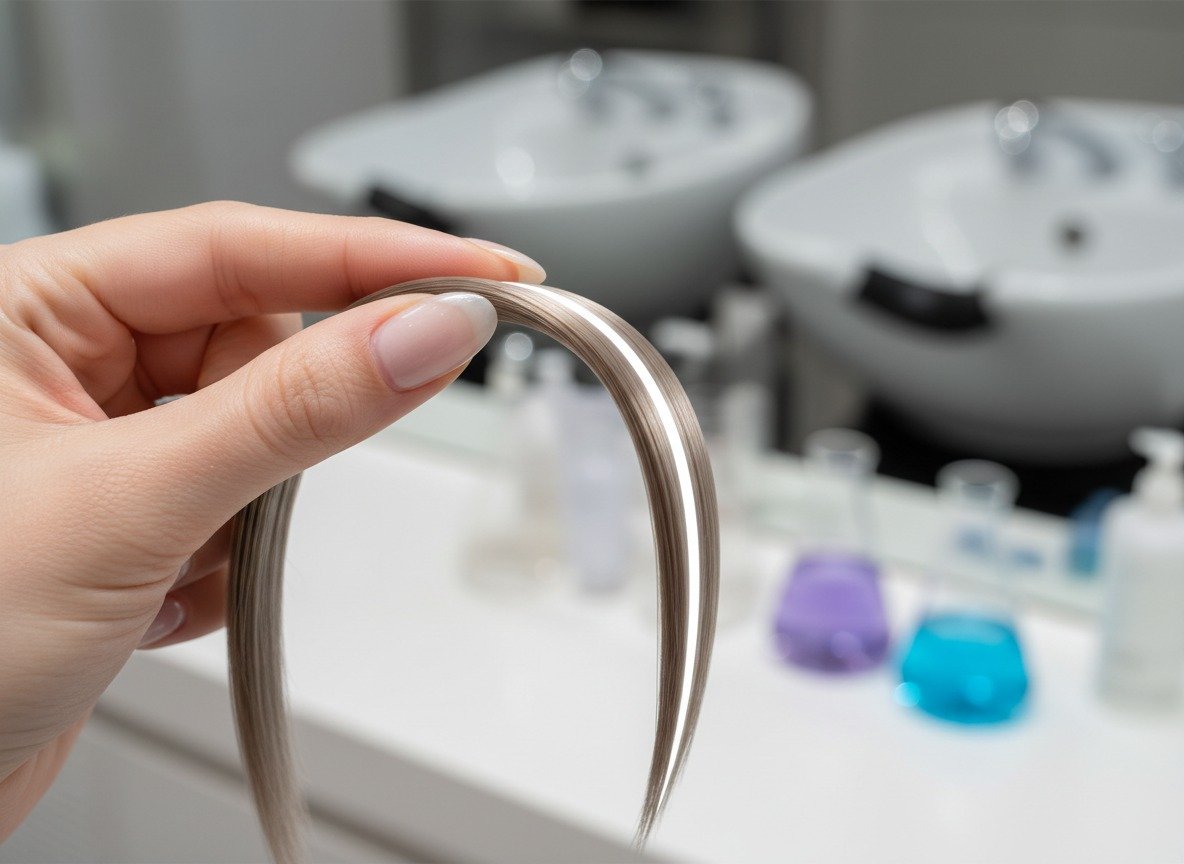
While rice water offers numerous benefits, scalp specialists caution that this treatment is not universally suitable for all hair types. Hair with low porosity (tightly closed cuticles) is particularly susceptible to excessive protein buildup on the strand surface.
When starch protein molecules accumulate too densely without a balanced oil-moisture ratio, the hair shaft loses its natural flexibility. The hair can then feel rough to the touch, stiff like wire, and become more prone to breakage during combing.
Furthermore, claims that rice water can lengthen hair by tens of centimeters within weeks should be approached rationally. Hair length, follicle density, and growth rate are fundamentally influenced by genetics, hormonal balance, and daily nutritional intake.
Fatmawati Tahir — Beauty Practitioner & Editor at Salwa Salon: The key to safely using rice water lies in the rinsing process. Never allow rice water to dry on your hair without thoroughly rinsing it with running water, as dried starch residue on the scalp can clog follicles and trigger itchy dandruff.
To understand your hair’s porosity characteristics before trying this treatment, consult our in-depth guide on how to determine hair porosity and its care.
How to Prepare and Safely Apply Rice Water
To avoid an overly pungent sour odor and ensure the hygiene of the concoction, follow these hygienic preparation guidelines:
- First Rinse: Wash half a cup of raw rice with running water to remove dust and bran impurities, then discard the first rinse water.
- Soaking Process: Soak the clean rice in two cups of boiled water for thirty minutes, then gently knead the rice grains until the water turns milky white.
- Controlled Fermentation: Strain the rice water into a clean glass jar and let it sit at room temperature for twelve to twenty-four hours until a slightly sweet-sour aroma develops.
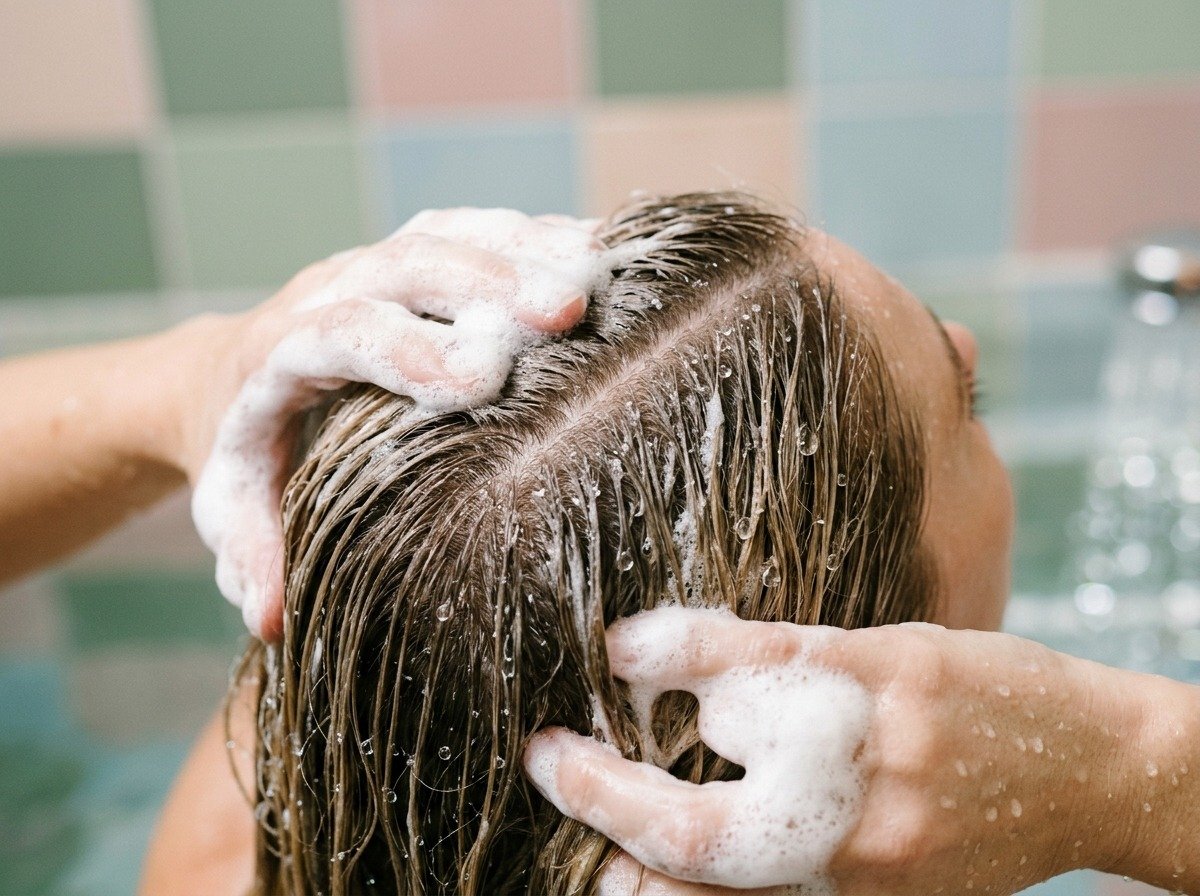
- Post-Shampoo Application: After shampooing, pour the rice water over your entire hair shaft and scalp, massage gently, and leave it on for fifteen to twenty minutes before rinsing thoroughly.
Use this rinse only once every two weeks to maintain a balance between protein intake and your hair’s natural moisture. The right nutritional balance will result in healthy, voluminous hair shine.
Frequently Asked Questions (FAQ)
Is rice water safe for color-treated or bleached hair?
Rice water is highly beneficial for porous, damaged hair post-coloring, as its protein peptides help fill cracked cuticle gaps.
Why does rice water need to be fermented before use?
The fermentation process lowers the pH of the rice water to approximate the hair’s natural pH and activates antioxidant compounds that are more readily absorbed by the hair shaft.
How long can fermented rice water be stored in the refrigerator?
Store fermented rice water in the refrigerator for a maximum of five days to prevent the growth of unwanted fungi and bacteria.
Can rice water be consumed directly to nourish hair from within?
Drinking raw rice water is not recommended due to the risk of containing soil bacteria and raw starch residues that are difficult for the stomach to digest.



Tinggalkan Balasan