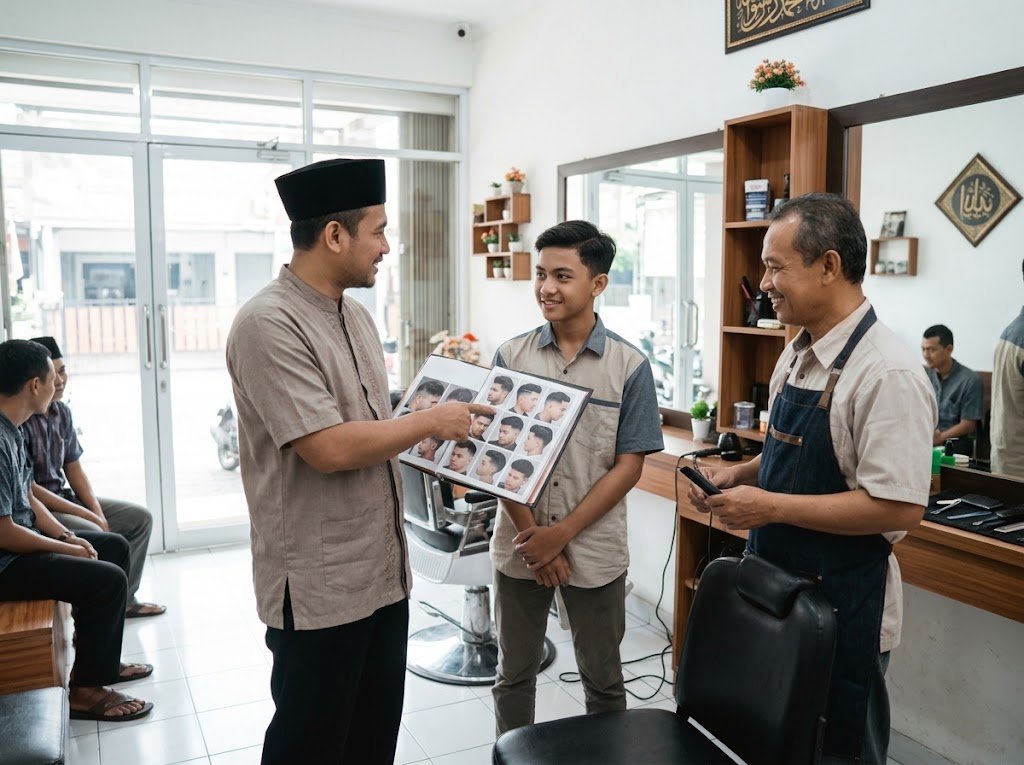
Maintaining one’s appearance and hair hygiene is a crucial aspect of self-care etiquette in Islam. For both Muslim men and women, keeping hair clean, neat, and presentable is even considered an act of worship, as cleanliness is a part of faith. However, amidst the onslaught of modern, increasingly varied hairstyle trends, do you know, Bestie, that there are certain rules and Sharia limitations we need to observe when styling our hair?
Islam provides wise guidance to prevent excess or imitation of styles that contradict natural disposition and principles of modesty. Let’s explore together which hairstyles are forbidden in Islamic teachings and the wisdom behind the recommendations for hair grooming!
Understanding the Concept of Hair Care in Islam
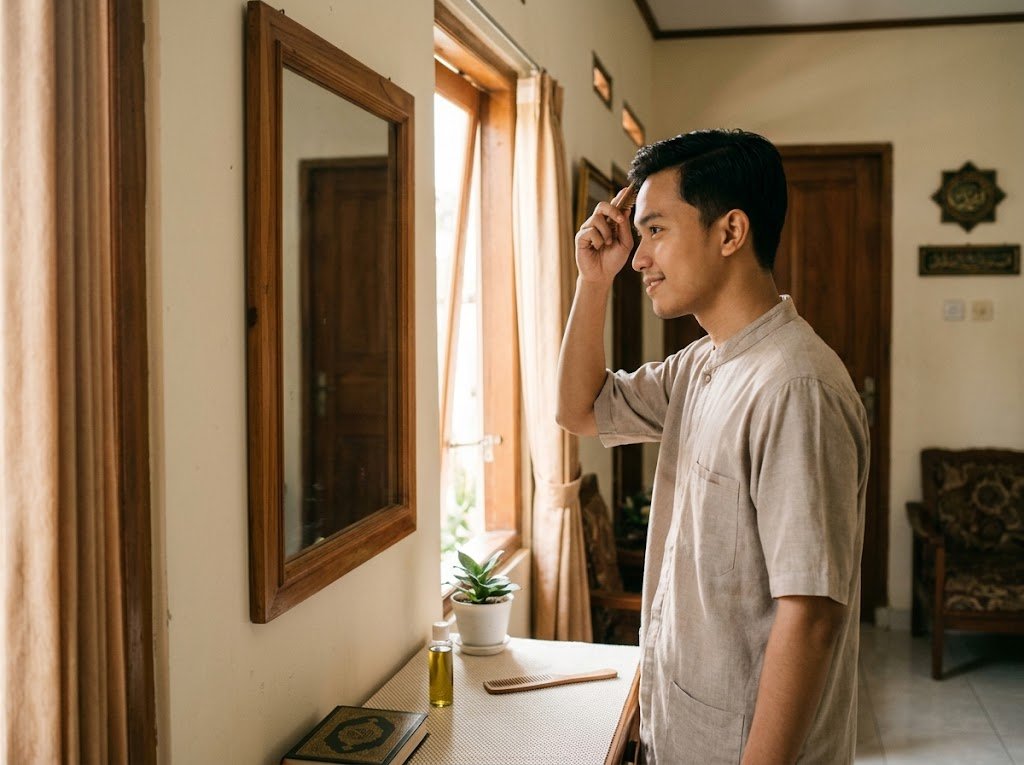
The Prophet Muhammad SAW greatly valued cleanliness and encouraged his followers with hair to care for it diligently. In a hadith narrated by Abu Dawud, he said: “Whoever has hair, let him honor it (care for it).” Honoring one’s hair means regularly combing it, washing it thoroughly, using permissible fragrances or hair oils, and trimming it periodically to prevent dishevelment.
Nevertheless, Sharia establishes clear boundaries regarding hair trimming to ensure appearance remains proportionate and does not lead to any detriment for the individual.
3 Hairstyles Forbidden in Islam
Here are three haircut styles or types that are not permissible according to Islamic Sharia:
1. Al-Qaz’u Hairstyle (Shaving Some Parts While Leaving Others Long)
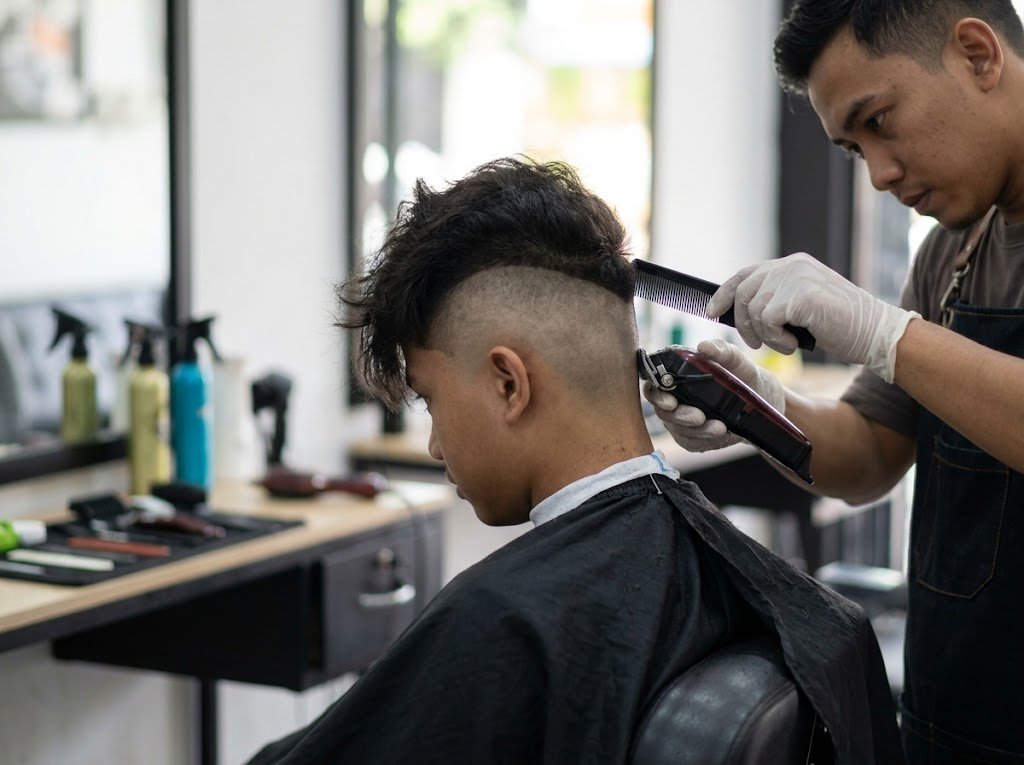
The most well-known prohibition in the jurisprudence of haircutting is the practice of Al-Qaz’u. Linguistically and technically, Al-Qaz’u refers to shaving off (bald) a portion of the hair on the head while leaving another part long or thick.
From Ibn Umar (may Allah be pleased with them both), he said: “The Messenger of Allah (peace be upon him) forbade Al-Qaz’u.” (Narrated by Bukhari and Muslim). Several variations of Al-Qaz’u are commonly seen in contemporary hair trends, including:
- Completely shaving the sides (extreme skin fade to bald) while leaving the top very thick or a high pompadour without a natural gradation.
- Shaving the crown of the head bald and leaving hair on the sides or back.
- Shaving hair only at the vertex or front, leaving the back long.
- Creating extreme hair tattoos or patterns on the scalp by shaving specific areas completely bald.
The wisdom behind this prohibition is to maintain balance among body parts, avoid peculiar appearances, and preserve the dignity of a Muslim.
2. Hairstyles Resembling the Opposite Gender (Tasyabbuh)
The second principle in Islamic hair styling is the prohibition of imitating the opposite gender (tasyabbuh). The Messenger of Allah (peace be upon him) cursed men who imitate women and women who imitate men (Narrated by Bukhari).
- For Men: It is forbidden to intentionally grow and style hair in a manner characteristic of women.
- For Women: It is forbidden to cut hair in a way that resembles a masculine, short men’s haircut without an urgent medical reason. Hair for women is considered part of their ‘aurah’ (modesty) and a primary adornment reflecting their natural feminine disposition.
3. Trimming Hair to Resemble the Depraved or Bad Trends
The third prohibition relates to intention and the influence of trends. If a hairstyle becomes a distinct identity of a deviant group or is associated with sinfulness, a Muslim is advised not to adopt such a style.
The fundamental principle is the Prophet’s hadith: “Whoever imitates a people, he is one of them.” (Narrated by Abu Dawud). Choose hairstyles that are neat, masculine for men, elegant for women, and exude a pleasing tidiness.
Technical Application of Neat & Proportionate Haircuts in Salons
In professional hairstyling practices, the limitations of Al-Qaz’u can be addressed by employing subtle gradation techniques (soft taper or scissor over comb) rather than shaving one side of the head completely bald. Ask your stylist to use progressively higher clipper guards (e.g., transitioning from a #1 to a #2, then to a #3) so that the side hair maintains a density that covers the scalp. In addition to aligning with recommendations for neatness and etiquette, these balanced, graduated cuts are far more durable in shape and appear elegant for both formal occasions and religious observances.
Recommended Etiquette and Tips for Hair Trimming
- Intend for Cleanliness and Worship: Intend to groom your hair so that your body feels refreshed when performing prayers and daily activities.
- Choose a Virtuous Day: Getting a haircut and trimming nails on a Friday is a highly recommended weekly Sunnah (practice).
- Cut Evenly: If you wish to shorten your hair, trim all parts of the head evenly and proportionally without leaving bald patches on one side.
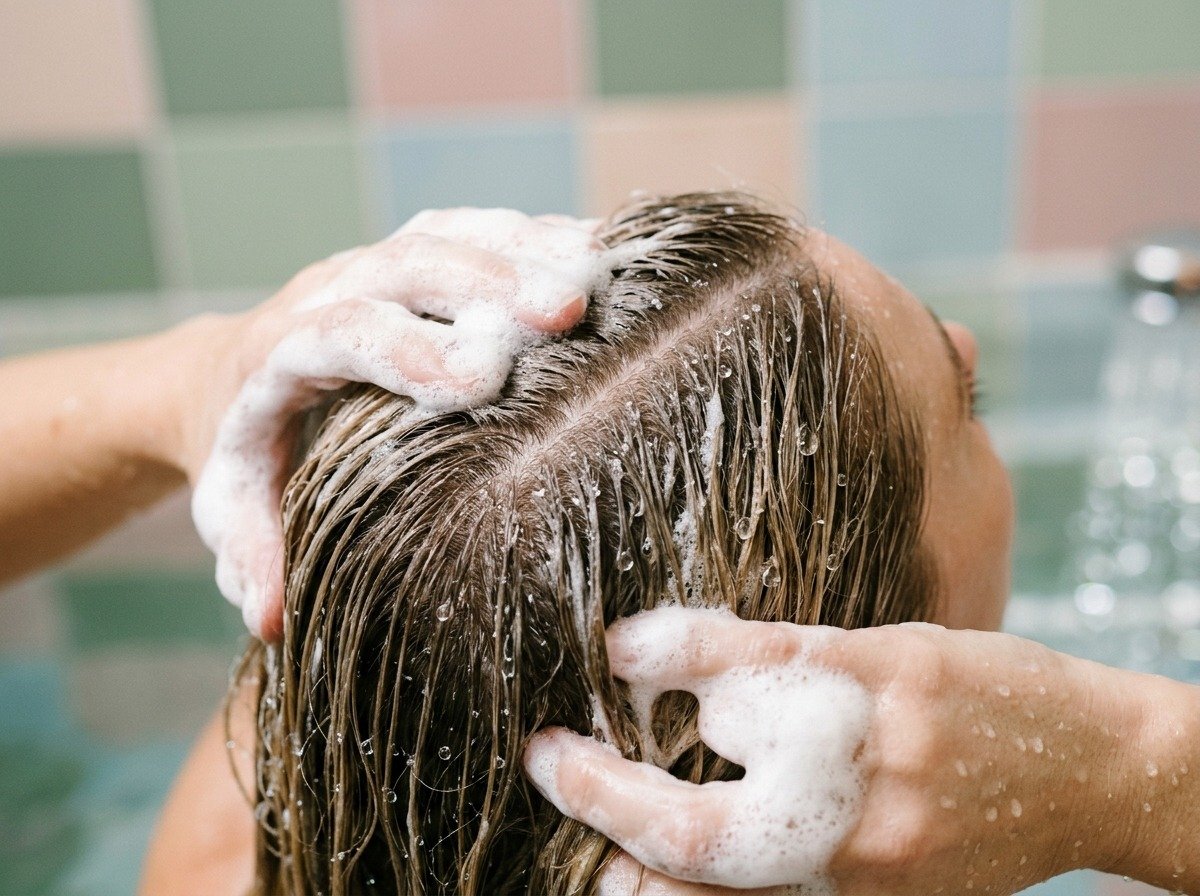
- Maintain Shampooing Hygiene: After cutting your hair, immediately take a shower to cleanse any remaining hair fragments clinging to your neck and scalp.
Q&A Regarding Haircut Laws in Islam
Are standard fade or undercut styles considered the forbidden Al-Qaz’u?
If a fade style involves only gradual hair thinning (soft hair gradation) and is not shaved to a completely smooth baldness on half the head, most modern scholars permit it. What is forbidden is shaving completely bald, exposing the pale scalp on one side while leaving the other side thick.
Is it permissible for women to cut their hair short?
Yes, it is permissible, provided it is not cut extremely short to resemble men (tasyabbuh) and the husband’s permission is obtained if married. The length of a woman’s shortened hair should still reflect the elegance of a Muslimah (e.g., shoulder-length or a feminine bob).
What is the ruling on coloring hair in Islam?
Hair coloring is permissible using natural, halal ingredients that do not impede the flow of water during ablution (like henna). However, Sharia prohibits coloring grey hair to a deep black for the purpose of deceiving one’s age.
Conclusion
Caring for the crown of one’s head in Islam is beautiful and flexible. We can still present ourselves as neat, clean, and confident without violating Sharia boundaries such as Al-Qaz’u or imitating the opposite gender. Let every step of your self-care be a manifestation of gratitude for the physical blessings bestowed by Allah SWT.

Tinggalkan Balasan