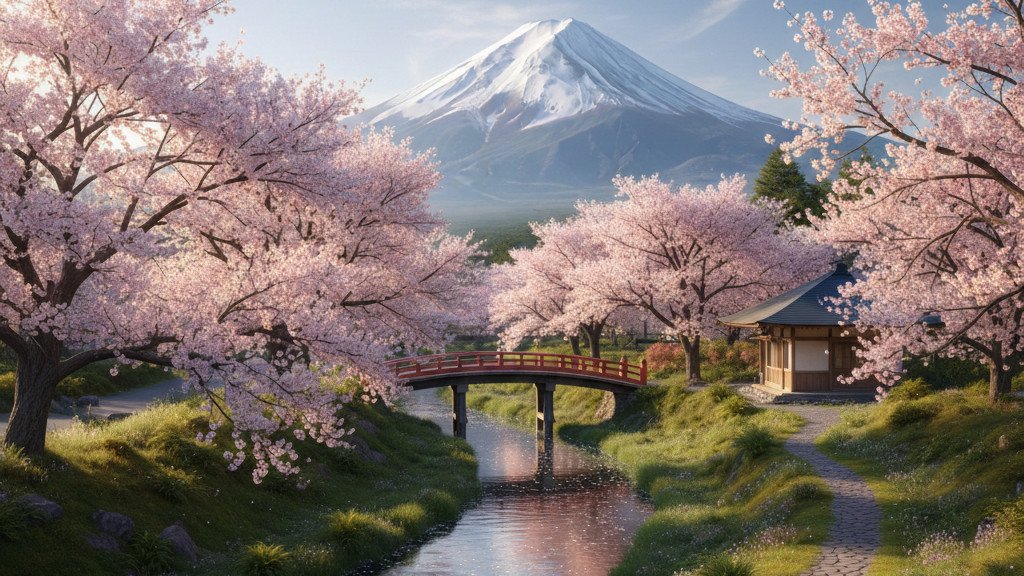
The prospect of enjoying a spring holiday under the canopy of blooming cherry blossoms often serves as a cherished aspiration for many, offering a mental reset and a restorative escape from the rigors of daily work. However, the unchecked surge of tourists at iconic global destinations is now presenting serious environmental repercussions, compelling local governments to enact stringent measures.
- 5.1 Are tourists still permitted to visit Fujiyoshida after the festival’s cancellation?
- 5.2 When is the peak blooming season for cherry blossoms in the Mount Fuji region?
- 5.3 Why is the concept of mindful travel so crucial for mental health?
- 5.4 How can I care for dry facial skin caused by the spring winds in Japan?
The cancellation of the annual cherry blossom festival in Fujiyoshida City, Japan, has been directly attributed to the phenomenon of overtourism, exceeding the carrying capacity of this small municipality. This has resulted in severe traffic congestion, overwhelming waste accumulation, and infringements upon the privacy of local residents. This policy serves as a global cautionary tale for travelers, underscoring the imperative of ethical tourism practices and maintaining harmony between the exploration of natural beauty and the preservation of local ecosystems.
The Tangible Impacts of Overtourism Behind Fujiyoshida’s Natural Allure
Fujiyoshida City in Yamanashi Prefecture is widely celebrated for its breathtaking vistas of a multi-tiered pagoda set against the majestic backdrop of snow-capped Mount Fuji, adorned with simultaneously blooming cherry blossoms. Its meteoric rise in social media popularity has transformed this once-tranquil town into a mass tourism magnet, drawing over ten thousand visitors daily during the peak spring season.
This drastic influx in a short period has precipitated a governance crisis detrimental to the local populace. Fujiyoshida Mayor Shigeru Horiuchi has emphasized that the disorderly tourist crowds have compromised the dignity and peace of residents, a significant portion of whom are elderly.
Narrow residential streets have become choked with haphazardly parked rental vehicles, food and plastic waste litter the sidewalks, and instances of egregious behavior, such as trespassing onto private property for photographs, have become rampant. This emergency situation unequivocally demonstrates that the aesthetic exploitation of nature without robust regulation invariably leads to the degradation of its very beauty.
Global Trends in Tourism Regulation: From Japan to Europe
Fujiyoshida’s decisive cancellation of its cherry blossom festival after a decade of operation is not an isolated incident. In the neighboring area of Fujikawaguchiko, local authorities have resorted to installing a two-and-a-half-meter-high black barrier in front of a popular convenience store to deter tourists who endanger traffic safety while pursuing Mount Fuji photographs.
Similar phenomena are impacting cultural hubs across Europe. Rome, Italy, has begun implementing limited entry quotas and deploying barricades around the Trevi Fountain, while Venice has introduced a daily tourist fee to curb the influx of day-trippers that strain the cleanliness of its canals.
The international tourism landscape is now transitioning towards an era of quota restrictions and stringent fine enforcement. Modern travel is no longer measured by the number of photo opportunities captured for social media, but rather by the extent to which a traveler demonstrates respect for the social fabric of the local community they visit.
| Tourist Destination | Tourist Infraction Phenomena | Government Regulatory Action | Ethical Principles to Uphold |
|---|---|---|---|
| Fujiyoshida (Japan) | Trespassing on private property and littering | Official cancellation of the annual cherry blossom festival | Respecting residents’ privacy and tranquility |
| Fujikawaguchiko (Japan) | Illegal parking and jaywalking | Installation of a black visual barrier | Adhering to traffic safety and public order regulations |
| Trevi Fountain (Italy) | Extreme crowd density in a cultural heritage site | Implementation of queue quotas and special entry fees | Maintaining cleanliness and preserving historical monuments |
| Venice Island (Italy) | Waste burden and erosion of the water city’s foundations | Introduction of a daily visitor access fee | Sustainably supporting the local economy |
Mindful Travel: Harmonizing Journeys with Mental Well-being
Engaging with the natural world offers profound therapeutic benefits for both physical vitality and mental clarity. Witnessing the bloom of spring flowers or inhaling mountain air has been scientifically proven to reduce cortisol levels and alleviate nervous tension.
However, when travel devolves into a race for digital content amidst noisy, crowded environments, the intended goal of inner relaxation is supplanted by debilitating physical exhaustion. Leisure time, meant to replenish bodily energy, instead becomes a source of new stress due to environmental chaos.
Embracing the concept of mindful travel necessitates being fully present, savoring the atmosphere without haste. A leisurely stroll through a serene city park, enjoying a warm cup of green tea, and observing local customs with reverence provides a far deeper sense of inner peace.
Salwa Salon Editorial Note: A traveler’s true beauty is not merely reflected in their attire or makeup for photographs, but in the elegance of their character as they respect nature and their hosts. Be a traveler who leaves behind a legacy of kindness and returns with genuine inner tranquility.
To maintain optimal facial skin hydration while traveling to cold climates, we recommend reviewing our guide on preserving skin health during winter holidays.
A Guide to Becoming a Responsible Traveler
To ensure your travels positively impact both your personal well-being and the environment you visit, adhere to these simple principles:
- Research Local Cultural Norms: Familiarize yourself with basic local etiquette, such as prohibitions against littering and the custom of speaking softly on public transport.
- Carry Your Own Waste Bag: Store your personal refuse in a bag until you can dispose of it at designated recycling facilities.
- Utilize Official Pathways: Refrain from crossing through vegetation or private residential areas solely for the sake of capturing an appealing photograph.
- Choose Off-Peak Visiting Times: Visit tourist sites in the morning before mass tour buses arrive to enjoy a more serene and calming atmosphere.
A memorable journey is one that enriches your inner perspective while safeguarding the planet’s sustainability. Approach every space you visit with awareness and sincerity.
Frequently Asked Questions (FAQ)
Are tourists still permitted to visit Fujiyoshida after the festival’s cancellation?
Yes, visitors are still allowed to come independently, but there will be no festival stages or special facilities operated by the city government.
When is the peak blooming season for cherry blossoms in the Mount Fuji region?
Cherry blossoms on the slopes of Mount Fuji typically reach full bloom from mid-April to early May, depending on local temperature conditions.
Why is the concept of mindful travel so crucial for mental health?
This concept prioritizes tranquility and deep appreciation for the surrounding environment, effectively alleviating daily stress without excessive physical fatigue.
How can I care for dry facial skin caused by the spring winds in Japan?
Use a rich ceramide-based cream moisturizer and always reapply sunscreen every two hours, even if the weather feels cool and overcast.




Tinggalkan Balasan