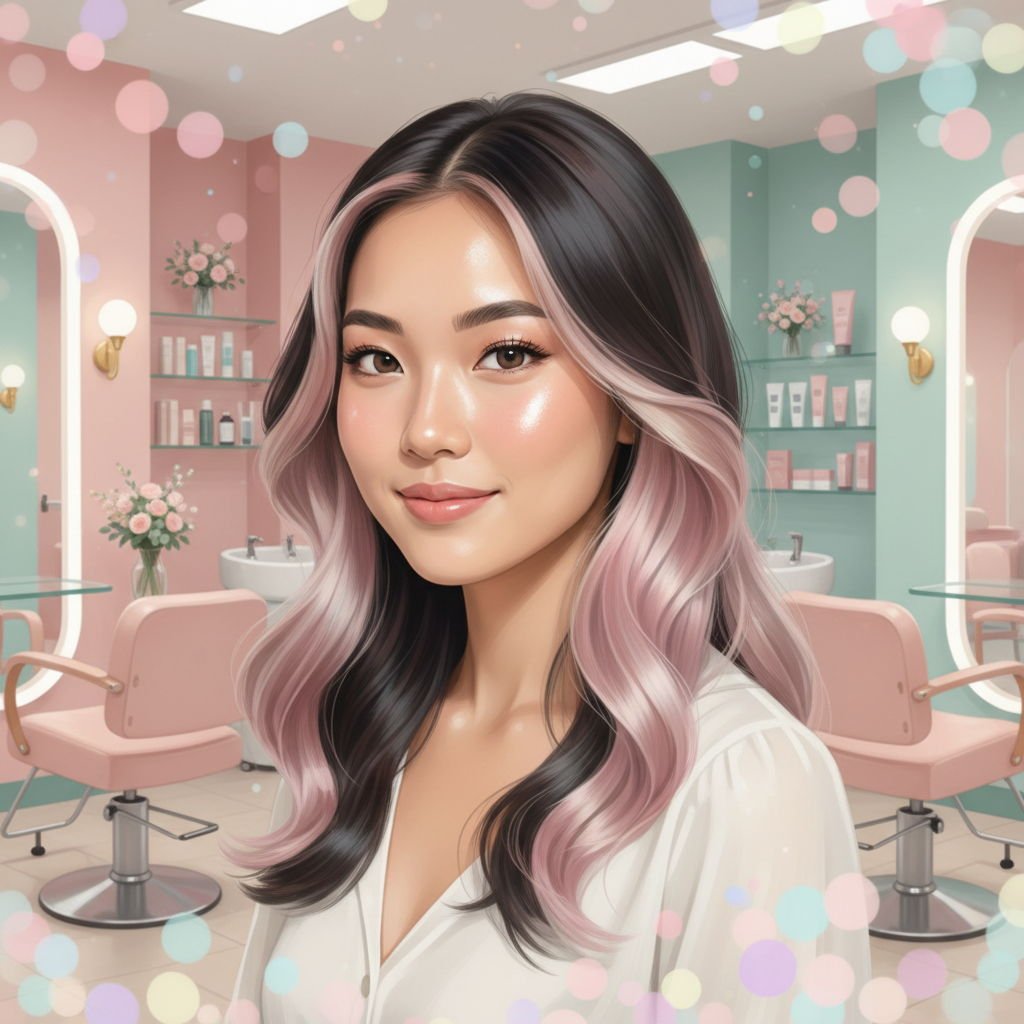
Hello, Salwa Besties! Golden blonde hair has always been a symbol of a stunning, bold, and high-class transformation. Shifting from naturally dense Asian hair to a bright blonde hue—from subtle honey blonde and ash blonde to striking platinum blonde—instantly creates a visual contrast that brightens the complexion and radiates a chic, celebrity-worthy aura.
However, behind its captivating allure, blonde hair demands a high level of commitment to maintenance. The chemical decolorization or bleaching process works by dissolving the melanin pigment within the hair’s cortex, which simultaneously strips away the hair shaft’s natural protective lipids. Without a structured and disciplined care regimen, blonde hair is highly susceptible to becoming stiff and straw-like, brittle, split-ended, and even breaking mid-shaft. Let’s delve into a comprehensive guide to caring for your blonde crown, ensuring it remains healthy, luminous, and long-lasting!
The Biological Mechanisms of Bleaching-Induced Hair Damage
1. Cuticle Opening and Loss of the F-Layer Lipid Barrier
Healthy hair cuticles are tightly layered, resembling fish scales, and are coated with natural fatty acids (18-MEA or the F-layer). Alkaline bleaching agents forcibly open these scale layers to allow hydrogen peroxide to penetrate the hair’s core. Consequently, the hair loses its natural ability to repel water and retain moisture, rendering it extremely fragile and highly porous.
2. Disruption of Disulfide Bonds in Keratin Structure
The mechanical strength of hair strands is determined by disulfide bonds that link keratin protein chains. The oxidative reaction during bleaching not only strips melanin pigment but also breaks these covalent bonds into cysteic acid. Hair strands that lose their structural integrity will lose elasticity, stretch like rubber when wet, and break easily when brushed.
3. Color Oxidation and the Emergence of Brassy Tones
Exposure to minerals in tap water, swimming pool chlorine, air pollution, and solar ultraviolet radiation accelerates the oxidation of blonde toner pigments. The initially sophisticated cool tones will gradually fade, revealing underlying warm pigments that tend to appear brassy yellow or dull orange.
Essential Daily Blonde Hair Care Protocols
1. Use Purple Shampoo Proportionally
Purple shampoo operates on the principle of the color wheel, where violet pigments directly neutralize unwanted yellow tones. Use purple shampoo 1 to 2 times per week. Avoid daily use, as its surfactants can make hair feel rougher and risk leaving behind an excessive grayish-purple cast.
2. Protein Bond-Building Treatment
Standard hair masks merely coat the hair’s exterior with silicones. To repair cortical damage, opt for formulas based on bond-builder technology that actively reconnect broken disulfide bonds. Apply this treatment once a week before shampooing to restore the intrinsic strength of the hair shaft.
3. Extra Hydration with Leave-In Conditioner and Hair Oil
After shampooing, always spritz a leave-in conditioner containing amino acids onto damp hair. Follow up by applying 2–3 drops of a fatty acid-rich hair oil—such as argan oil or marula oil—to the hair ends to create an artificial moisture barrier.
4. Set Maximum Heat Tool Temperatures
Blonde hair shafts are highly susceptible to thermal degradation. If you must use styling tools like flat irons or hair dryers, always coat hair with a heat protectant serum and ensure the tool’s temperature does not exceed 150°C–160°C (300°F–320°F) to prevent hair scorching or damage.
Disulfide Bond Restoration Post-Bleaching:
“Lifting hair pigment to levels 9 or 10 compromises the structural integrity of hair strands if not clinically compensated. The myth that blonde hair only needs regular conditioner at home is a significant misconception, as regular conditioners only work on the cuticle surface. In salons, we combine pH-neutralizing washes, short-chain amino acid infusions, and nano-mist keratin boosters to restructure the hair cortex, restoring strand suppleness and preventing breakage during combing.” — Fatmawati Tahir
Healthy Habits for Maintaining Colored Hair
- Reduce Shampoo Frequency: Limit shampooing to a maximum of 2 to 3 times per week using cool or lukewarm water to prevent toner pigment from fading quickly.
- Use Microfiber Towels: Avoid rubbing wet hair with rough-textured cotton towels. Gently pat hair dry with a microfiber cloth to prevent cuticle friction.
- Sleep on Silk Pillowcases: Silk or satin pillowcases reduce mechanical friction as your head moves during the night, keeping hair tangle-free and minimizing breakage.
- Schedule Regular Trims: Trim approximately 0.5–1 cm (0.2–0.4 inches) of your hair ends every 6 to 8 weeks at the salon to prevent split ends from traveling upwards.
Frequently Asked Questions About Blonde Hair Care (FAQ)
Is it permissible to chemically straighten or perm bleached blonde hair?
Absolutely not! Hair that has undergone high-dose bleaching has a severely compromised protein structure. Applying chemical straightening agents like smoothing treatments or rebonding will result in catastrophic hair damage or massive breakage (a chemical haircut).
How long does blonde hair toner typically last before needing a salon reapplication?
Toner formulas generally last between 4 to 6 weeks, depending on hair washing frequency and sun exposure. Regular gloss treatments or toner touch-ups at the salon are the best way to maintain vibrant color.
Why does blonde hair feel excessively stretchy and rubbery when wet after shampooing?
This condition is a clear sign of severe elasticity loss due to damaged keratin protein chains. Discontinue the use of heat styling tools and immediately seek intensive protein treatments at a salon to reconstruct hair fibers.

Tinggalkan Balasan