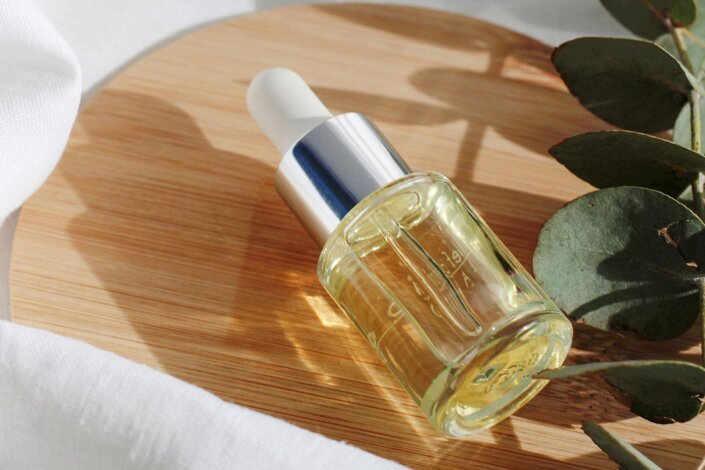
Staring at the array of high-concentration serum bottles on your vanity, which you’ve been using for months, often leaves you with a profound sense of disappointment when the mirror still reflects a dull, acne-prone complexion. You might start questioning the efficacy of the brands you’ve purchased, when in reality, the root of the problem frequently lies in incorrect application within your daily routine.
Facial serums are concentrated formulas with micro-molecular weight designed to penetrate deeply into the dermal layers. However, their effectiveness is highly dependent on pore cleanliness, a measured dosage (2 to 3 drops), the correct viscosity layering, and morning sunscreen protection. Avoiding these six critical serum application errors will restore your skin barrier function and maximize active nutrient absorption.
First and Second Mistakes: Incorrect Skincare Order and Dosage
The most common fundamental error is applying serum directly onto skin that hasn’t been thoroughly cleansed. Micro-debris, oxidized sebum, and makeup residue left on the facial surface create a physical shield that prevents serum molecules from penetrating the epidermal layers.
Washing your face with a balanced cleanser and refreshing it with a hydrating toner are mandatory first steps. Toner helps restore the skin’s natural acidity to a pH range of 5.5, creating an optimal environment for active ingredients like Niacinamide or Vitamin C to function stably.
The second mistake pertains to immeasurable application quantities. Using too much serum will not accelerate skin repair results; instead, it overloads pore capacity and triggers the formation of closed comedones (clogged pores). Conversely, an insufficient dose means active ingredients do not reach the therapeutic concentration required by the tissues.
Third and Fourth Mistakes: Over-Frequency and Lack of Absorption Time
Many individuals rush to increase the frequency of potent active ingredient serums, such as Retinol or Glycolic Acid, to twice daily without a tissue adaptation phase. Skin exposed to excessive exfoliating acid concentrations will experience lipid barrier damage, indicated by stinging sensations, redness, and severe peeling.
The next mistake is not allowing adequate absorption time between products in your routine. Applying a thick moisturizer immediately after dispensing serum causes the two formulas to mix on the skin’s surface before the serum has a chance to absorb into the stratum corneum.
This condition often leads to the phenomenon of residue pilling, which feels like fine dead skin when you touch your face. Allow a waiting period of approximately thirty to sixty seconds for the serum to absorb completely before sealing in moisture with an emollient cream.
| Application Error | Biological Impact on Skin | Corrective Protocol |
|---|---|---|
| Applying to Unclean Skin | Pore blockage and zero active absorption | Perform double cleansing before serum application |
| Over-Dosing | Surface skin saturation and comedones | Use just 2 to 3 drops for the entire face |
| Layering Without Pause | Pilled residue and diluted formulas | Allow a 30-60 second pause until the liquid feels dry to the touch |
| Rubbing Skin Too Harshly | Mechanical micro-trauma and red irritation | Gently pat with fingertips or palms |
| Skipping Morning Sunscreen | Melanin oxidation and intensified dark spots | Mandatory use of broad-spectrum sunscreen with SPF 30 minimum |
| Mixing Reactive Actives | Skin barrier inflammation and severe breakouts | Separate usage schedules for morning (antioxidants) and night |
Fifth and Sixth Mistakes: Rubbing Technique and Skipping Sunscreen
How you apply serum to your facial surface also determines your skin tissue’s response. Harshly rubbing serum with your palms creates mechanical friction that can exacerbate inflammation in active acne and damage the elasticity of fine blood capillaries.
The optimal technique is to dispense serum onto clean fingertips, then gently pat it from the center of your face outwards until the liquid is absorbed by your body’s natural warmth. Avoid touching the glass dropper directly to your facial skin to maintain the sterility of the remaining liquid in the bottle.
The sixth, and most fatal, mistake is neglecting morning sunscreen application after using brightening or cell-rejuvenating serums at night. Active ingredients like Retinol and Vitamin C make the new cell layer more sensitive to ultraviolet photodamage, which actually accelerates melasma spot accumulation.
Fatmawati Tahir — Beauty Practitioner & Editor at Salwa Salon: If you wish to combine multiple serums with different targets, always consider their viscosity or thickness. Always apply the thinnest textured serum, such as Hyaluronic Acid, first, before moving on to serums with thicker emulsion or oil-based textures, to prevent nutrient molecules from blocking each other’s entry pathways.
For guidance on structuring your nighttime routine to avoid chemical formula conflicts, you can explore our article on the correct order of nighttime skincare application.
How to Assess Your Skin’s Positive Response to Serum
Skin cellular recovery requires time aligned with the body’s natural biological cycles. Observe the following gradual changes to ensure your serum is working effectively:
- First Two Weeks: Skin feels more hydrated and no longer tight and dry after washing your face in the morning.
- Fourth Week: Skin texture feels smoother to the touch, and redness from mild inflammation begins to subside.
- Eighth to Twelfth Week: Dullness starts to fade, skin tone appears more even, and fine dehydration lines are consistently diminished.
Regular evaluation helps you differentiate between a cell adjustment phase (purging) and an irritation reaction due to formula incompatibility. Be patient with your self-care and listen to every response your body shows.
Frequently Asked Questions (FAQ)
Is it permissible to use two different types of serums in one routine?
Yes, as long as the two active ingredients do not conflict with each other and are applied sequentially from the thinnest to the thickest texture.
How many drops of serum are ideal for the entire face and neck area?
The ideal dosage is two to three drops for the entire face, and add one extra drop specifically for treating the neck area.
Why does serum sting when first applied to the skin?
A stinging sensation indicates microscopic damage to the skin barrier or that the formula has an acidity level too strong for your skin’s current tolerance.
Can Vitamin C serum be used concurrently with Niacinamide?
Modern formulations are generally safe to combine. However, for individuals with highly reactive skin, it is recommended to separate Vitamin C application to the morning and Niacinamide to the evening.


Tinggalkan Balasan