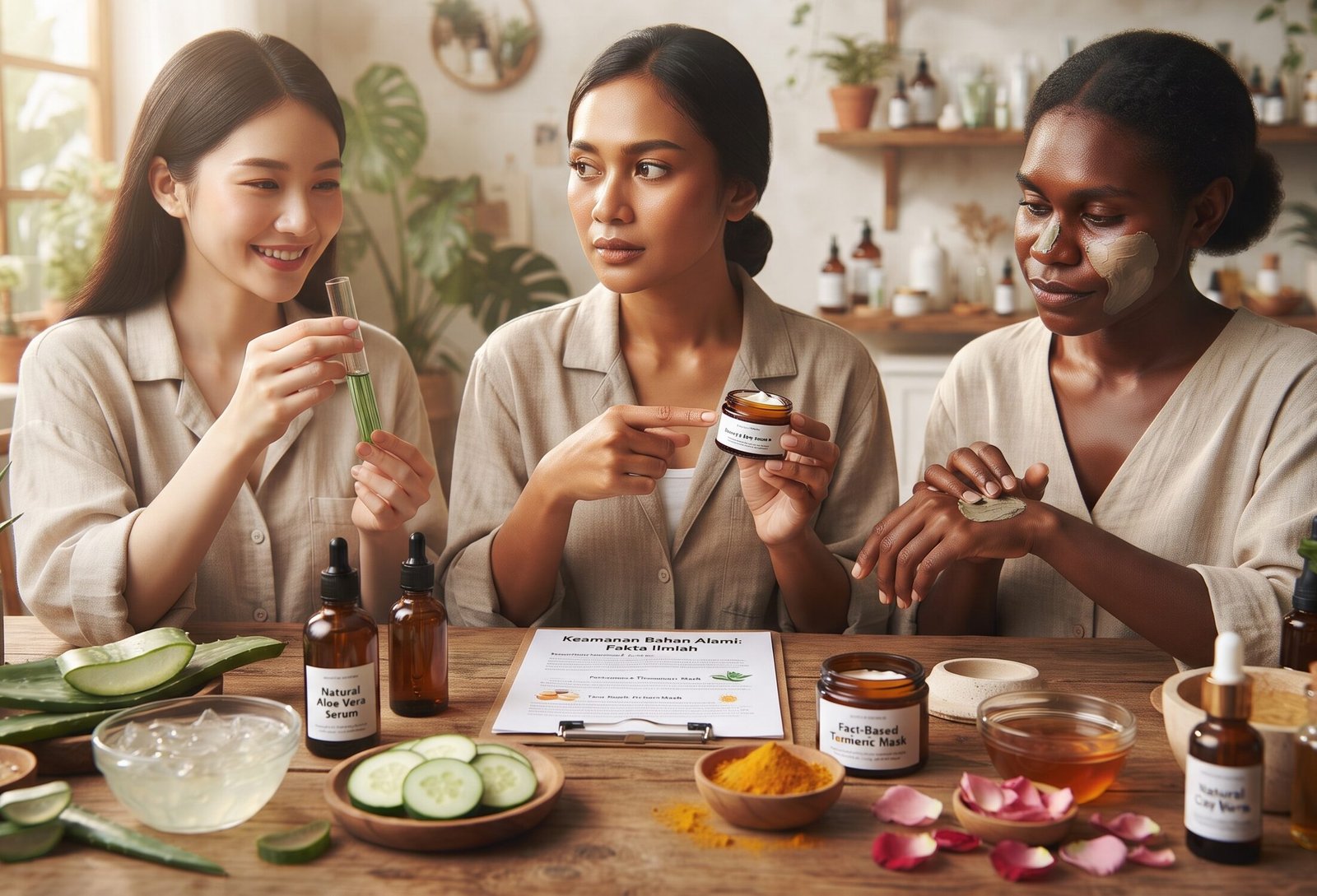
Hello, Besties! On social media, traditional beauty tips often circulate, utilizing kitchen ingredients and leftover tubers like cassava peels, lemon juice, and even toothpaste to address dark spots and acne. Many are tempted to try these methods, assuming that anything derived from nature is inherently safe and free from side effects.
However, in modern dermatology, applying raw ingredients directly to facial skin carries a high risk of triggering severe irritation, contact allergies, and even compromising the skin barrier. Let’s wisely dissect the myths and scientific facts!
Myths and Facts Surrounding Natural Ingredients for Facial Skin
1. Risks of Latex Compounds and Toxins in Raw Ingredients?
Raw ingredients like cassava peels contain natural latex compounds and cyanogenic glycosides that can trigger allergic contact dermatitis, a burning itch, and post-inflammatory hyperpigmentation (PIH) if applied directly to sensitive facial skin.
2. Imbalanced Acidity (pH) Levels?
Natural ingredients such as lemon juice or vinegar have extremely acidic pH levels (pH 2), far below the natural pH of facial skin (around 4.7-5.5). Applying them can erode the skin’s protective acid mantle.
3. Advantages of Clinically Tested Botanical Extracts?
The skincare industry utilizes natural ingredients by hygienically extracting their active molecules in laboratories, discarding irritating latex toxins, and balancing formulations to be pore-friendly.
4. Relatively Safe Alternatives for Homemade Natural Ingredients?
If you wish to try simple at-home treatments, opt for low-risk, soothing ingredients like pure, unsweetened honey, fresh aloe vera gel with its yellow latex completely removed, or a ground oatmeal mask.
Hygiene Standards of Laboratory Extracts vs. Raw Latex Residue:
“The assumption that anything directly picked from the garden or taken from kitchen scraps is safe for the face is a dermatological fallacy that frequently leads to severe skin barrier damage. Raw plants like tubers or fruit latex contain harsh secondary metabolite compounds, soil fungal spores, and putrefactive bacteria that can trigger allergic contact dermatitis and deep hyperpigmentation. Modern botanical-based skincare utilizes biotechnological purification processes in laboratories to isolate beneficial active molecules and discard irritating substances. If you want to treat your skin with natural ingredients, choose certified products whose pH stability and cleanliness have been clinically tested.” — Fatmawati Tahir
The Importance of Patch Testing Before Trying
Always apply a small amount of your natural concoction to the area behind your ear or on your lower jawline for 24 hours to ensure your skin does not react with redness or bumps.
Frequently Asked Questions About Natural Ingredient Skincare (FAQ)
Can natural masks replace sunscreen?
Absolutely not, Bestie! Natural ingredients do not possess ultraviolet radiation protection filters; sunscreen remains absolutely essential every morning.
What should be done if the face feels irritated after using a homemade mask?
Immediately rinse thoroughly with cool, running water, apply a cool compress with a damp towel, and apply a soothing moisturizer containing centella asiatica or ceramides.
Why is manufacturer-certified skincare (e.g., BPOM in Indonesia) more recommended?
Because official products have undergone microbiological stability testing, dosage efficacy testing, and safety testing for harmful bacteria.




Tinggalkan Balasan