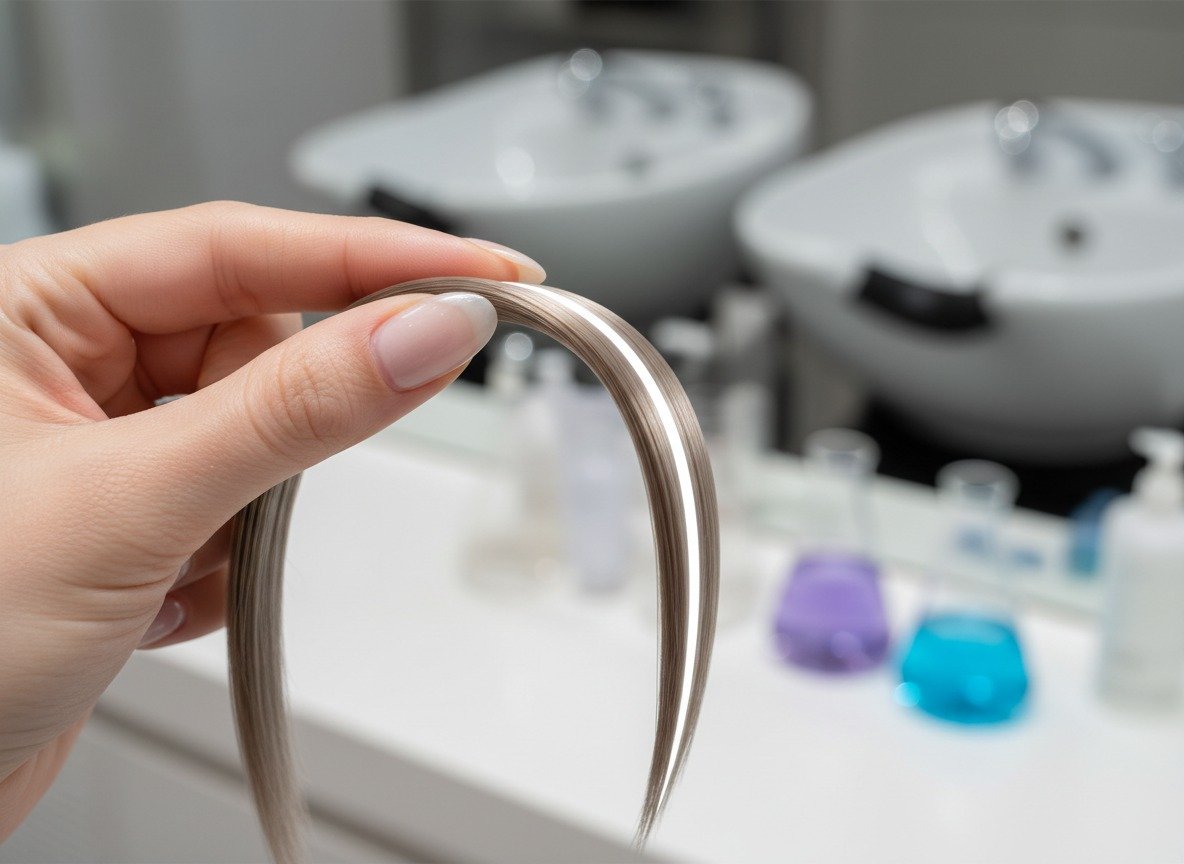
Observing dull, brittle strands after a day exposed to intense sunlight often triggers concerns about permanent damage to your hair cuticle. Persistent scalp itchiness from dandruff also adds to your worries when you need to present yourself with confidence in important meetings.
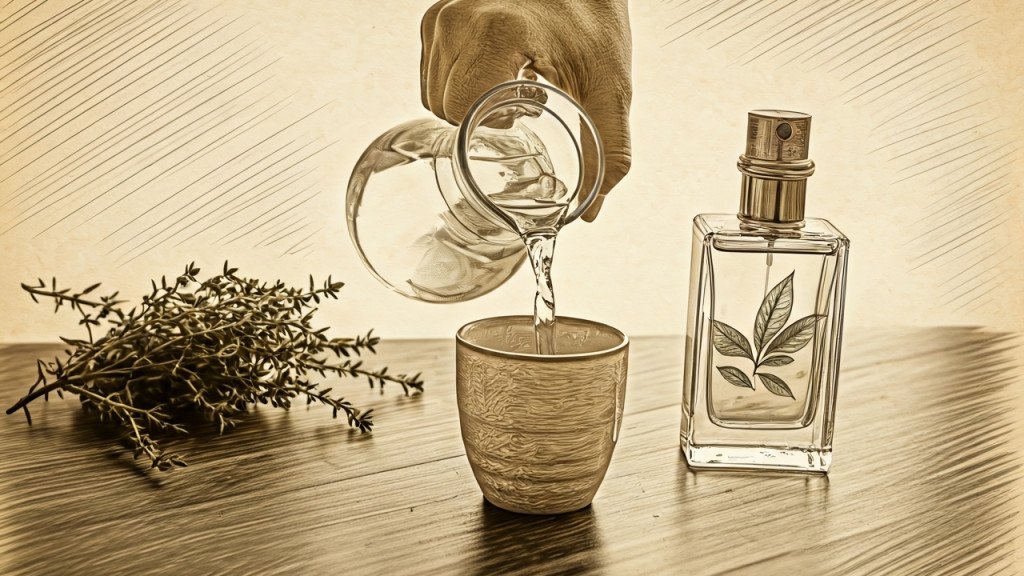
Karanja oil (Pongamia pinnata) is a botanical oil rich in the flavonoids karanjin and pongamol, which act as natural protectors against photodegradative damage from ultraviolet radiation. It also possesses potent antimicrobial activity to suppress the growth of dandruff-causing fungi. Its oleic and linoleic fatty acid content works to maintain hair shaft moisture and strengthen the scalp’s protective barrier without clogging pores.
Origin and Biochemical Characteristics of Karanja Oil
Karanja oil is extracted from the seeds of the Pongamia pinnata tree, also known as the malapari tree, a legume plant that thrives in South Asia and parts of Indonesia’s coastal regions. In traditional Ayurvedic herbal medicine, this oil has been used for thousands of years to address various chronic skin inflammations.
The primary strength of karanja oil lies in its active furanoflavonoid compounds, particularly karanjin and pongamol. These phytochemicals have a unique ability to absorb broad-spectrum ultraviolet radiation, making them highly effective natural protectants for safeguarding hair pigment from fading.
In addition to furanoflavonoids, karanja oil contains triglycerides with a balanced fatty acid profile. The composition of approximately 50 percent oleic acid and 20 percent linoleic acid provides a thick, emollient texture capable of coating hair cuticles that have been compromised by chemical coloring processes.
Benefits of Karanja Oil for Hair and Scalp Health
A healthy scalp is the fundamental foundation for the growth of thick, lustrous hair strands. Karanja oil offers comprehensive care through several measurable biological mechanisms:
Firstly, the natural antifungal and antibacterial properties of karanjin work to suppress the population of Malassezia globosa, the primary culprit behind dandruff flakes and scalp itchiness. Regular use helps rebalance the scalp’s microbiome without stripping its natural moisture.
Secondly, karanja oil acts as a protective shield for both natural and color-treated hair. Tropical sunlight exposure can oxidize melanin and hair dye molecules, but the furanoflavonoid layer of karanja blocks photon radiation, ensuring hair color remains vibrant and lustrous for longer.
Thirdly, its essential fatty acids penetrate the gaps in compromised hair cuticles, reducing the porosity of dry hair shafts. This results in more pliable, manageable hair that is less prone to breakage mid-strand.
| Karanja Active Compound | Physiological Mechanism of Action | Hair Benefit Target | Scalp Clinical Application |
|---|---|---|---|
| Karanjin & Pongamol | Ultraviolet photon absorption and antioxidant | Prevents hair color fading and dullness | Protection against oxidative stress from pollution |
| Oleic Acid (Omega-9) | Medium-penetrating cuticle lubricating emollient | Softens rough and brittle hair shafts | Locks in hydration on dry scalps |
| Linoleic Acid (Omega-6) | Restores skin tissue lipid barrier function | Enhances keratin fiber elasticity | Soothes erythema and eczema inflammation |
| Natural Flavonoids | Inhibition of cyclooxygenase inflammatory enzymes | Reduces fragility of new hair roots | Alleviates itching and stinging from wet dandruff |
Body Skincare Using Karanja Oil
Beyond the crown of your head, karanja oil’s anti-inflammatory efficacy also provides tangible benefits for irritated body skin. Its active compounds help alleviate redness associated with sensitive skin conditions like psoriasis and atopic dermatitis.
When applied sparingly to rough skin areas such as elbows and knees, its fatty acids form a protective layer that accelerates the regeneration of new epidermal cells. Previously flaky skin gradually becomes smoother and more supple.
However, due to karanja oil’s potent concentration, it is recommended to dilute it with a carrier oil such as jojoba oil or virgin coconut oil. This dilution ensures optimal formula penetration without leaving a heavy sensation on the skin’s surface.
Fatmawati Tahir — Beauty Practitioner & Editor at Salwa Salon: Karanja oil possesses highly active biochemical properties and a strong, nutty aroma. Before applying it to your entire scalp or hair, perform a patch test on the skin behind your neck for twenty-four hours to ensure your skin does not exhibit any sensitivity reactions.
To further enhance your understanding of safe botanical oil combinations for daily hair health, explore our article on choosing natural hair oils.
DIY Karanja Oil Application Guide at Home
To ensure perfect absorption of karanja oil’s nutrients without leaving a sticky residue on the scalp, follow this regular application sequence:
- Formulate Your Blend: Combine five drops of pure karanja oil with one tablespoon of jojoba or argan oil in a small, clean bowl.
- Gently Massage Scalp: Apply the oil mixture evenly to the scalp, then massage with circular motions using your fingertips for five minutes to stimulate microcirculation.
- Distribute to Hair Shafts: Rub any remaining oil on your palms through the mid-lengths to the ends of dry hair strands.
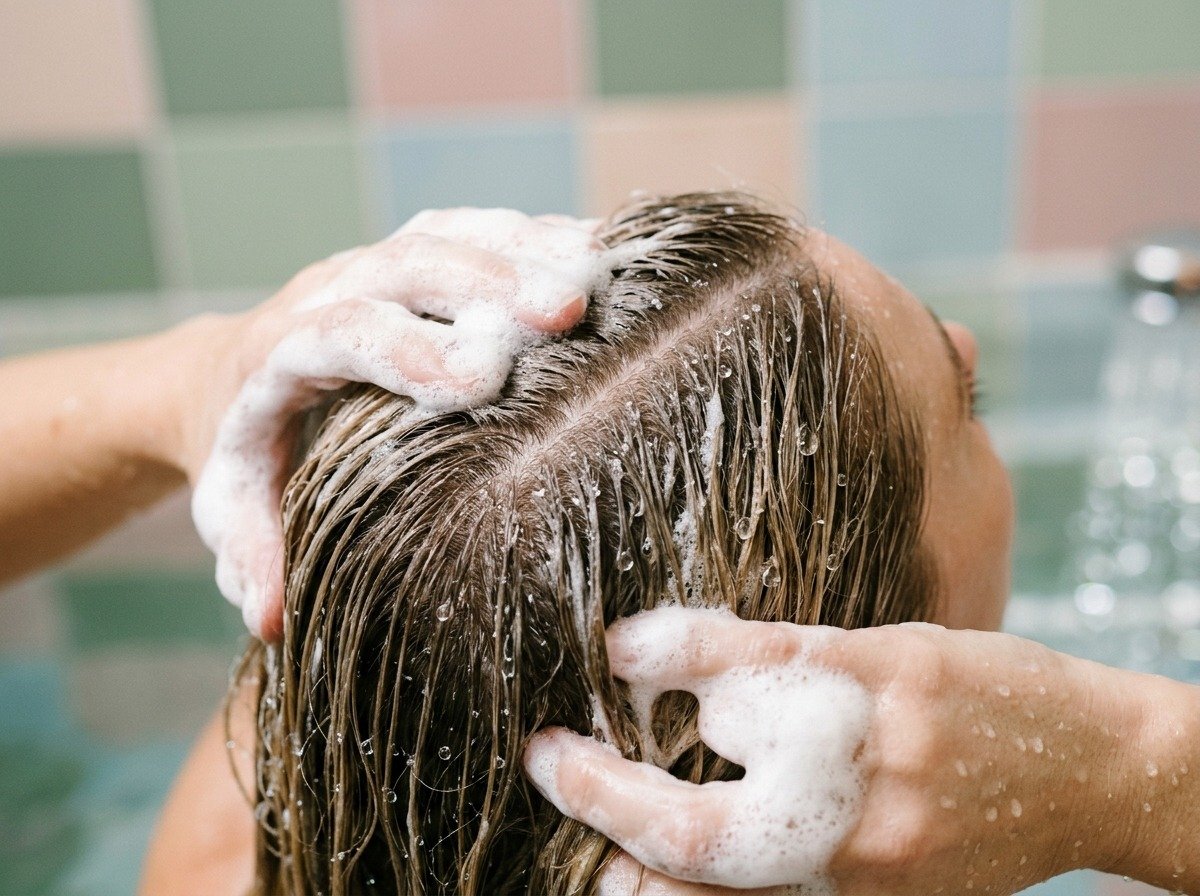
- Allow Absorption Time: Wrap hair with a warm towel for thirty minutes before rinsing thoroughly with a gentle foaming shampoo.
Use this oil treatment once a week to maintain hair vitality and scalp comfort. Consistency in self-care will yield a healthy, long-lasting natural radiance.
Frequently Asked Questions (FAQ)
Is it safe to use karanja oil directly without dilution?
It is advisable to dilute karanja oil with a carrier oil like jojoba oil first, as its pure active concentration can be quite potent for sensitive skin.
Can karanja oil help treat stubborn dandruff?
Yes, the karanjin compound within it has antifungal properties proven effective in suppressing the growth of Malassezia, the primary fungus responsible for dandruff and scalp itchiness.
How long does it take for hair to feel softer?
Softness in the hair shaft can be felt from the first application, while scalp health recovery typically requires four weeks of consistent use.
Is it okay to leave karanja oil on overnight while sleeping?
It is not recommended to leave it on overnight without rinsing, as excess oil can attract dust and clog scalp pores.



Tinggalkan Balasan