
Have you ever stood in front of your wardrobe on a sweltering afternoon, feeling overwhelmed by the thought of layering up for outdoor activities? For women new to modest fashion or those who have been wearing the hijab for years, feeling overheated in humid coastal cities like Makassar, and cherishing your existing clothing collection, is a perfectly natural sentiment.
- 3.1 How can I repurpose old short-sleeved tops to be modest for hijab wear?
- 3.2 Why do small pimples or bumps often appear on the forehead near the undercap?
- 3.3 What clothing colors absorb the least heat for outdoor activities?
- 3.4 What salon treatments are most beneficial for hair worn under a hijab?
The key to maintaining comfort and consistency in hijab fashion during hot weather lies in a wardrobe declutter, selecting natural fibers with excellent breathability like cotton, rayon, and linen, employing a lightweight layering technique, and adhering to a regular scalp and facial skincare routine to stay fresh and moisture-free.
Understanding the Adaptation Process for Hijab Fashion
The challenges of adjusting one’s wardrobe after adopting the hijab were candidly shared by singer Nindy Ayunda. She confessed that upon opening her closet and seeing her unsorted pre-hijab attire, she would sometimes have a fleeting desire to wear them again before ultimately choosing to remain consistent with her new style.
This experience highlights that transitioning one’s fashion style requires gradual adaptation, both visually and in terms of physical comfort. Several primary factors often contribute to discomfort or a sense of monotony in daily hijab wear:
- Unsorted Pile of Old Clothes: Storing short-sleeved or open-cut garments on prime shelving limits daily outfit choices and can trigger nostalgia for past styles.
- Selection of Heat-Retaining Fabrics: Wearing thick polyester tops or hijabs in tropical climates traps perspiration against the skin, leading to a feeling of being overheated.
- Lack of Mix-and-Match Variety: Consistently wearing the same silhouette of abayas or tunics can lead to a lack of expressive freedom.
- Scalp Moisture and Discomfort: Hair covered all day in sweaty conditions often results in itching, limpness, and general discomfort during activities.
4 Practical Solutions for Staying Comfortable, Stylish, and Fresh While Wearing the Hijab
To help you avoid feeling overheated or running out of outfit ideas, here are four comprehensive steps to reorganize your wardrobe while simultaneously nurturing your skin and hair health.
1. Declutter Your Wardrobe and Repurpose Old Garments (Layering)
The most effective first step is to declutter or sort through your wardrobe. Separate garments that no longer suit your current outdoor attire needs for donation or gifting to relatives. Meanwhile, sleeveless tops or older shirts with attractive patterns can still be cleverly repurposed:
- Pair with Rayon Jersey Sleeves: Use cool, skin-friendly rayon spandex inner sleeves or cuffs as a base layer before wearing your favorite sleeveless blouses or dresses.
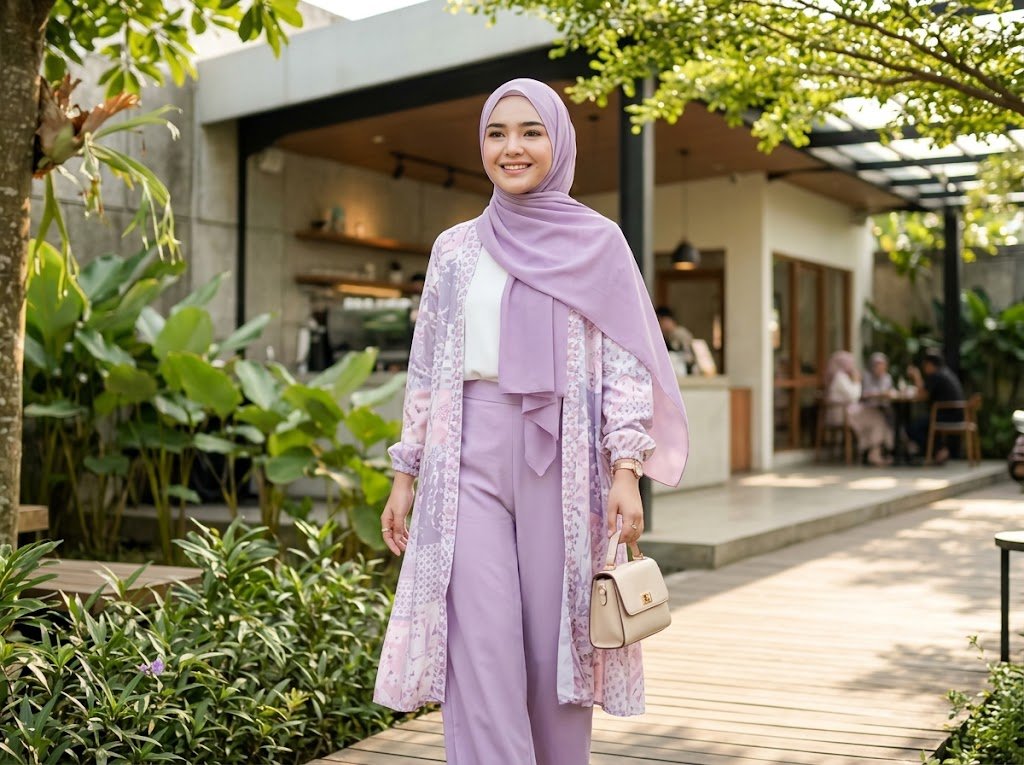
- Combine with Lightweight Outerwear: Old t-shirts or tops can be paired with thin knit cardigans, oversized linen shirts worn open as a layer, or loosely cut blazers.
- Invest in Neutral Base Pieces: Stock your wardrobe with flowing culottes, A-line skirts, and white or beige shirts that easily coordinate with various hijab colors.
2. Prioritize Cool, Sweat-Absorbent Fabric Fibers
Comfort in a hijab during tropical weather is significantly influenced by the type of textile fibers that come into direct contact with your skin. Avoid dense, non-breathable synthetic materials for daytime activities. Instead, opt for these four fabric types:
- Japanese Cotton and Toyobo Cotton: These have a weave that absorbs sweat exceptionally well, a smooth surface, and are opaque.
- Rayon Twill and Viscose: These are exceptionally cool against the skin with a fluid drape that moves with the body without feeling stiff.
- Natural Linen: A plant-based fiber with superior air circulation for hot weather, offering a polished yet casual aesthetic.
- Voile Ultrafine and Cotton Voile for Hijabs: Lightweight on the head, they don’t cause ear discomfort and hold their shape well at the forehead.
Expert Note — Fatmawati Tahir: “The comfort of women wearing the hijab is greatly influenced by the condition of the scalp beneath the headscarf. Ensure your hair is 100 percent dry before wearing an undercap and hijab, as tying damp hair can lead to dandruff and musty odors. Also, use loose satin hair ties to prevent pulling on hair roots throughout the day.”
3. Maintain Facial Skin Freshness from Sun Exposure
When wearing a hijab in hot weather, the facial area can become more prone to sweating and uneven skin tone if the edges are covered by the hijab while the center is exposed to sunlight. Implement a concise yet protective facial skincare routine:
- Apply Sunscreen Evenly: Apply a gel or lightweight lotion sunscreen with a minimum SPF of 30, extending to the hairline of your undercap, to ensure an even skin tone and protection from UV rays.
- Choose a Fast-Absorbing Moisturizer: Use a water-based moisturizer in the morning to prevent a sticky feeling on the face in warm air.
- Perform Double Cleansing Every Evening: Remove sunscreen residue, dust, and sweat along the hairline using micellar water or a cleansing balm before washing your face with a gentle cleanser to prevent breakouts in the hijab border area.
4. Provide Regular Care for Hair Covered by a Hijab
Although not visible externally, healthy and fragrant hair enhances your comfort and confidence throughout the day. In addition to regular shampooing with a sebum-balancing shampoo, dedicate time for scalp treatments, hair spas, or anti-hair fall treatments at a salon every few weeks. Comprehensive scalp care helps exfoliate dead skin cells and keeps hair follicles breathing freely.
Frequently Asked Questions (FAQ)
How can I repurpose old short-sleeved tops to be modest for hijab wear?
You can pair short-sleeved tops as outerwear over cool rayon jersey long-sleeved undershirts, or wear them as an inner layer beneath an open, oversized shirt and a blazer.
Why do small pimples or bumps often appear on the forehead near the undercap?
Forehead breakouts are generally triggered by friction from a too-tight undercap, as well as the accumulation of sweat and residual makeup products. Wash your undercap after each use, opt for sweat-absorbent rayon jersey undercaps, and thoroughly cleanse the hairline area during your double cleansing routine.
What clothing colors absorb the least heat for outdoor activities?
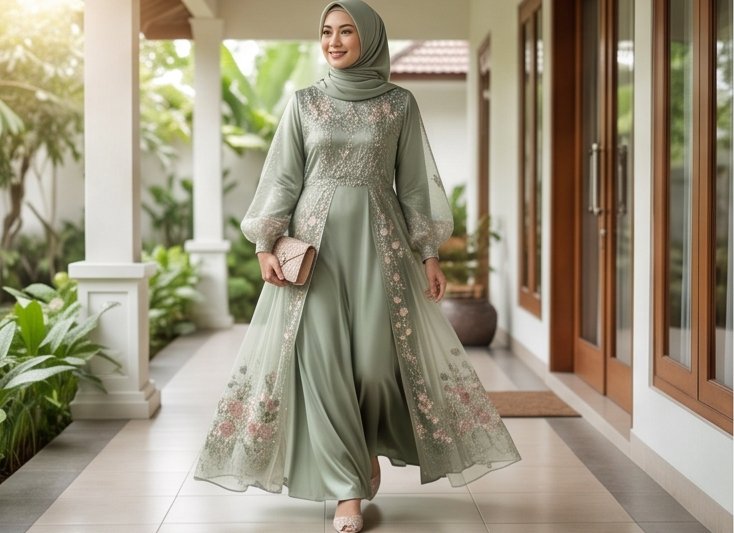
Light and soft neutral colors like ivory white, beige, light blue, sage green, and peach reflect sunlight better than deep black, making the body feel cooler.
What salon treatments are most beneficial for hair worn under a hijab?
Scalp-focused hair spa treatments to prevent dandruff and limpness, along with deep conditioning for the hair shaft to maintain strand elasticity, are highly recommended for women who wear the hijab.
Embrace Comfort and Confidence with Your Hijab Style
Discovering a comfortable hijab fashion style is a journey of understanding your body’s needs and your personal character. By selecting fabrics that are suitable for tropical weather and regularly caring for your skin and hair, you can go about your day feeling cool, refreshed, and full of confidence.
If you wish to indulge your scalp and facial skin in a comfortable and private treatment space, the team at Salwa Salon is ready to cater to your needs. Please contact us through our official reservation channels to schedule your preferred hair or facial treatment session.


Tinggalkan Balasan