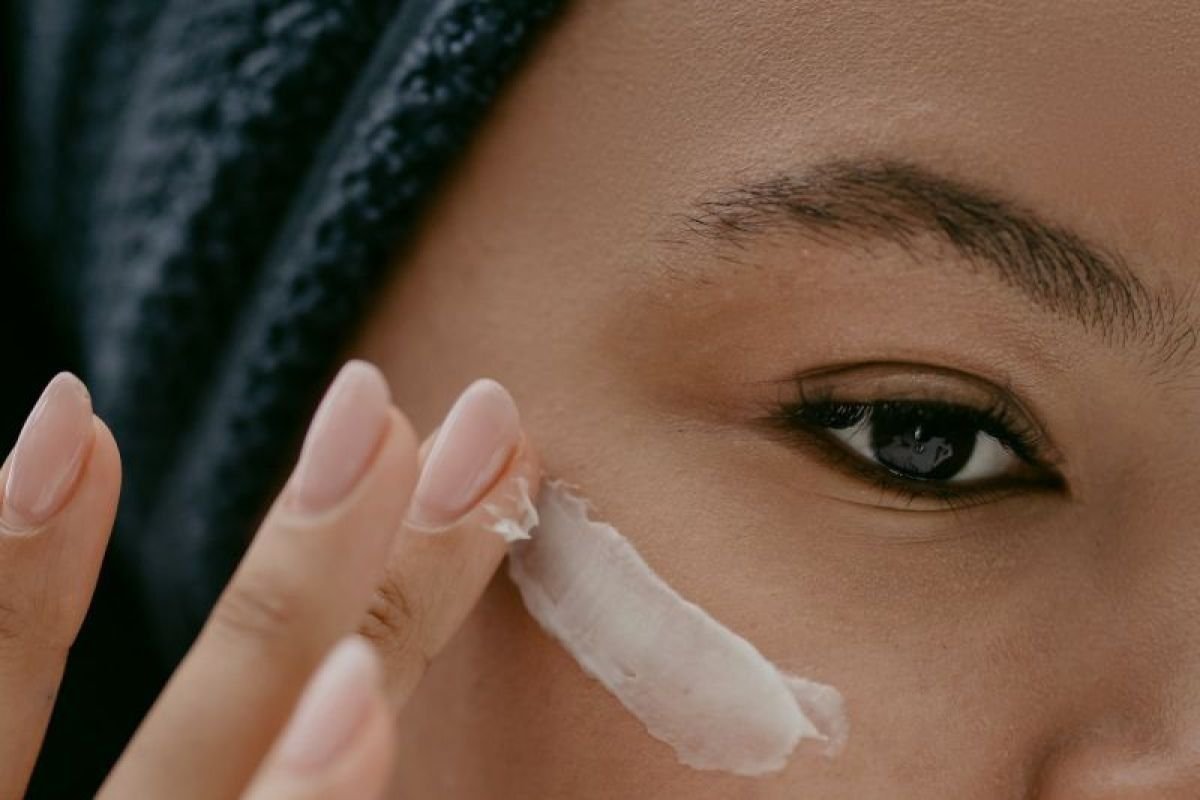
Hello, Salwa Besties! Have you ever heard the term slugging in the realm of skincare? This beauty trend, originating from South Korea (K-Beauty) and viral on social media, involves applying a thick occlusive ointment (like pure petroleum jelly) to the entire face at night as the final step in your skincare routine.
The name “slugging” comes from the fact that the face will appear exceptionally shiny and slick, resembling a slug’s trail. While it may sound unconventional, this method has been recognized by dermatologists worldwide as one of the most potent ways to restore a compromised and severely dehydrated skin barrier. Let’s delve into its benefits and the correct way to practice it!
Key Benefits of Practicing the Slugging Technique
1. Maximizing Moisture Lock-In (Preventing TEWL)?
Pure petroleum jelly (petrolatum) is the most effective occlusive ingredient known in dermatology. It can prevent water evaporation from the skin (Transepidermal Water Loss) by over 98%, ensuring that the moisture from previously applied serums and moisturizers is sealed tightly within the skin cells.
2. Accelerating Compromised Skin Barrier Repair?
If your skin is feeling raw, peeling due to cold weather, or irritated from over-exfoliation, slugging creates an optimal humid environment for skin cells to regenerate without external interference.
3. Achieving Exceptionally Supple and Smooth Skin by Morning?
After rinsing in the morning, facial skin will feel incredibly supple, soft, calm, and possess a natural, radiant glow akin to a baby’s complexion.
Occlusive Barrier Limitations Around the Hairline?
While the slugging technique is highly effective for severely dehydrated skin, the intensely occlusive nature of petrolatum demands extra caution in areas near the hairline. Avoid applying thick ointment too close to the hairline or temples. Occlusive ointments that rub against hair strands during sleep can trap hair oils and sweat, potentially triggering folliculitis or pustular acne along the hairline. Maintain a distance of approximately 1 centimeter from the hair roots to allow the peripheral pores to breathe freely.
Step-by-Step Guide to Practicing Slugging
- Step 1: Thoroughly Cleanse Your Face: Wash your face with a gentle cleanser. Do not practice slugging on dirty skin, as impurities will become trapped in your pores.
- Step 2: Apply Simple Hydrating Skincare: Apply a hydrating toner, essence, and your regular moisturizer containing ceramides or hyaluronic acid. Crucially: Do not use potent active ingredients like Retinol or AHA/BHA when slugging!
- Step 3: Apply a Thin Layer of Occlusive Ointment: Take a pea-sized amount of pure petroleum jelly, warm it between your palms, and then gently pat it thinly and evenly across your entire face.
- Step 4: Sleep and Rinse in the Morning: Use a silk pillowcase or cover your pillow with a clean towel. In the morning, rinse your face with a gentle foaming cleanser.
Slugging Skincare FAQs
Is the slugging method safe for oily and acne-prone skin types?
The slugging method is not recommended for individuals with active acne (acne-prone) and very oily skin, as the thick occlusive layer can trap oil and bacteria, leading to the formation of closed comedones.
How many times a week should the slugging technique be performed?
For those with dry or normal skin, practicing slugging 1 to 2 times a week is sufficient, particularly when the skin feels severely dehydrated or requires extra recovery.
Does petroleum jelly clog pores (is it comedogenic)?
The molecules in pure petroleum jelly are actually too large to penetrate the pores (non-comedogenic). However, its potent occlusive properties can trap impurities or sebum if the face is not thoroughly cleansed beforehand.




Tinggalkan Balasan