
Acne is a prevalent skin concern for teenagers and young adults, particularly in Indonesia. The hot and humid tropical climate, coupled with excess oil production, pollution, and imbalanced lifestyles, can trigger breakouts. But don’t worry, managing acne doesn’t necessitate expensive products or intensive medical treatments.
In this article, you’ll discover practical and safe tips for managing acne-prone skin using suitable skincare, recommended active ingredients, natural DIY remedies, and daily habits that support a clear complexion.
Primary Causes of Acne in Teen & Young Adult Skin?
Before selecting skincare products, it’s crucial to understand the primary drivers of acne:
-
Excess Sebum Production
Androgen hormones stimulate the sebaceous glands to work overtime. -
Dead Skin Cell Accumulation
This obstructs pores, leading to blackheads and pimples. -
Propionibacterium Acnes Bacteria
Naturally occurring skin bacteria that proliferate in clogged pores, causing inflammation. -
Unhealthy Dietary Habits
High sugar intake, full-fat dairy, and processed foods can exacerbate skin conditions. -
Insufficient Sleep and Stress
These factors impact hormones and bodily metabolism, including skin health. -
Improper Cosmetic Product Use
Comedogenic or overly rich products can trigger new breakouts.
Basic Skincare Steps for Acne-Prone Skin
Here’s a simple daily skincare routine you can follow:
Morning:
- Cleanse with a gentle cleanser (pH 5–5.5)
- Alcohol-free toner (optional)
- Serum with anti-acne active ingredients
- Apply sunscreen (SPF 30+ PA+++) – ESSENTIAL!
Evening:
- Double cleanse if wearing makeup or sunscreen
- Re-cleanse with a mild cleanser
- Toner (if needed)
- Serum or treatment with active ingredients
- Non-comedogenic moisturizer
Recommended Active Ingredients for Acne Management
Here are several active ingredients proven effective and safe for teens and young adults:
1. Salicylic Acid
- An oil-soluble beta-hydroxy acid (BHA).
- Penetrates pores to exfoliate from within and helps reduce blackheads.
- Ideal for oily and enlarged pore concerns.
2. Benzoyl Peroxide
- Kills acne-causing bacteria.
- Effective for inflammatory acne (red, pustular lesions).
- Use 1–2 times daily, starting with a low concentration (2.5%).
3. Niacinamide (Vitamin B3)
- Soothes skin, reduces redness, and regulates oil production.
- Suitable for all skin types, including sensitive.
4. Tea Tree Oil
- A natural anti-inflammatory and antimicrobial agent.
- Must be diluted before application, as concentrated doses can cause irritation.
5. Retinoids (Retinol, Adapalene)
- Enhances skin cell turnover and prevents pore congestion.
- Beneficial for cystic acne and post-acne marks.
- Begin with low frequency (2–3 times per week).
Tip: Combine active ingredients judiciously. Avoid using salicylic acid and retinoids concurrently to prevent skin irritation.
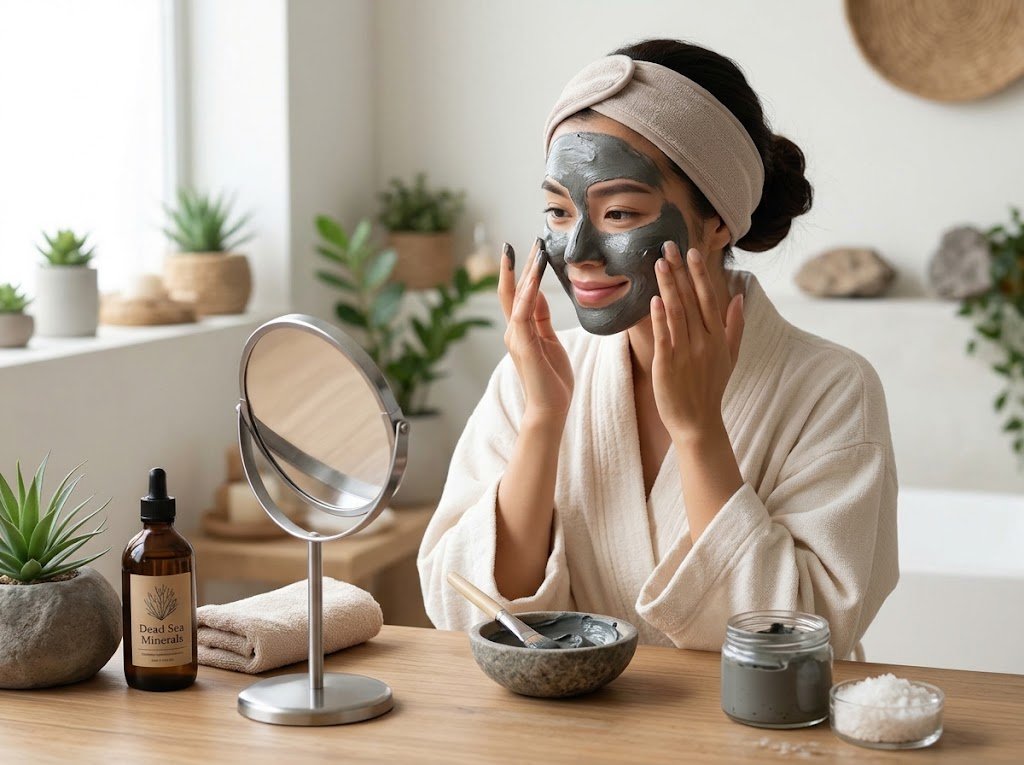
Natural (DIY) Treatments for Mild Acne
In addition to using skincare products, you can also explore these natural remedies:
Honey and Turmeric Mask
- Honey possesses antibacterial properties, while turmeric contains soothing curcumin.
- Mix 1 teaspoon of honey with a pinch of turmeric powder → apply to the face → rinse after 15 minutes.
Aloe Vera Mask
- Cools the skin and aids in acne healing.
- Apply pure aloe vera gel to affected areas as an overnight mask.
Ice Cubes for Inflamed Pimples
- Apply an ice cube (wrapped in a thin tissue) to the pimple for 5–10 minutes to reduce swelling and redness.
Daily Habits for Acne-Free Skin
External skincare alone is insufficient. Lifestyle modifications play a significant role:
-
Regularly Change Pillowcases and Facial Towels
Prevents the transfer of bacteria and environmental debris to the face. -
Avoid Picking at Pimples
This can lead to infection, scarring, and further inflammation. -
Stay Adequately Hydrated with Water
Aids in detoxification processes and maintains skin hydration. -
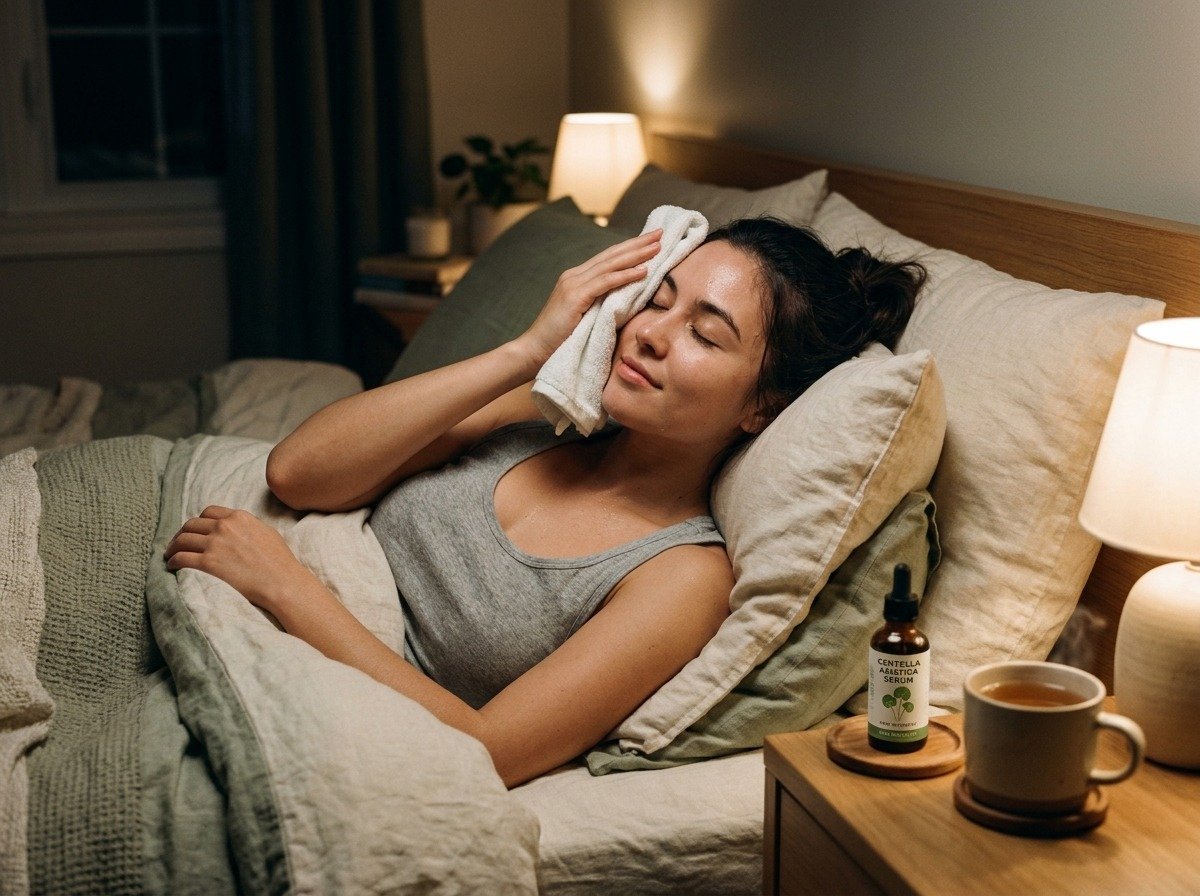
Get Sufficient Sleep (7–8 Hours)
The body undertakes skin regeneration during sleep. -
Engage in Light Exercise and Manage Stress
Stress elevates cortisol levels, which can trigger acne. -
Limit Consumption of High-Sugar Foods and Full-Fat Dairy
These have been linked to increased acne in some individuals.
Conclusion & Skincare Tips
Managing acne requires patience, a consistent routine, and the right product selection. By understanding your skin type, utilizing appropriate active ingredients, and adopting healthy habits, you can achieve a clearer, blemish-free complexion in the long term.
However, if your acne persists or is accompanied by pain and deep scarring, consult a dermatologist promptly for appropriate medical treatment.
Remember, healthy skin begins with daily care and good habits—start today for optimal results tomorrow.



Tinggalkan Balasan