For those aspiring to achieve lustrous, healthy hair, consider exploring a lesser-known yet increasingly popular method: rinsing your hair with tea water. This ancient practice is gaining traction as a natural approach to mitigating hair shedding.
The Benefits of Tea for Hair
Nutrient Profile of Tea.
Tea, whether black, green, or herbal, is replete with bioactive compounds and antioxidants. Components such as polyphenols and catechins are well-regarded for their ability to combat oxidative stress and inflammation, both of which can contribute to hair loss concerns. Tea is also recognized as a source of essential vitamins and minerals, including Vitamin E and iron, which play a crucial role in maintaining hair health and promoting growth.
Does Tea Stimulate Hair Follicle Growth?
Caffeine, present in varying concentrations across different tea varieties, has been linked to enhanced hair growth by stimulating hair follicles. Research suggests that caffeine can counteract the effects of dihydrotestosterone (DHT), a hormone associated with hair loss.
When applied topically, as in the case of tea rinses, caffeine can penetrate the scalp, improving blood circulation. This, in turn, can awaken dormant hair follicles and contribute to a reduction in hair shedding.
Inhibiting DHT Production
Certain teas, notably green tea, are rich in compounds that may inhibit the production of Dihydrotestosterone (DHT), a hormone implicated in hair loss. DHT is frequently associated with androgenetic alopecia, a common cause of thinning hair.
By incorporating tea rinses into your hair care regimen, you can potentially mitigate DHT’s impact on hair follicles, thereby contributing to a decrease in hair loss over time.
Strengthening Hair Strands
Tea water is believed to impart a moisturizing effect on hair strands, rendering them more resilient to damage. The presence of tannins in tea can form a protective layer on the hair shaft, enhancing its strength and minimizing breakage. Regular use of tea rinses during your shampooing routine can result in smoother, less brittle, and more robust hair strands.
Reducing Scalp Inflammation
The anti-inflammatory properties of tea water can help soothe the scalp, potentially addressing underlying issues that contribute to hair loss. Conditions such as dandruff and scalp inflammation can impede healthy hair growth. The antioxidants and calming properties of tea can aid in maintaining scalp balance and health, fostering an optimal environment for hair regeneration.
Tips for Rinsing Hair with Tea Water
Brew Your Tea.
Begin by brewing a cup of your chosen tea. Black tea, green tea, and herbal infusions like chamomile or nettle are popular selections.
Cool the Tea.
Allow the brewed tea to cool to room temperature. It is crucial to avoid using hot tea to prevent potential damage to your hair or scalp.
Rinse Hair with Cooled Tea.
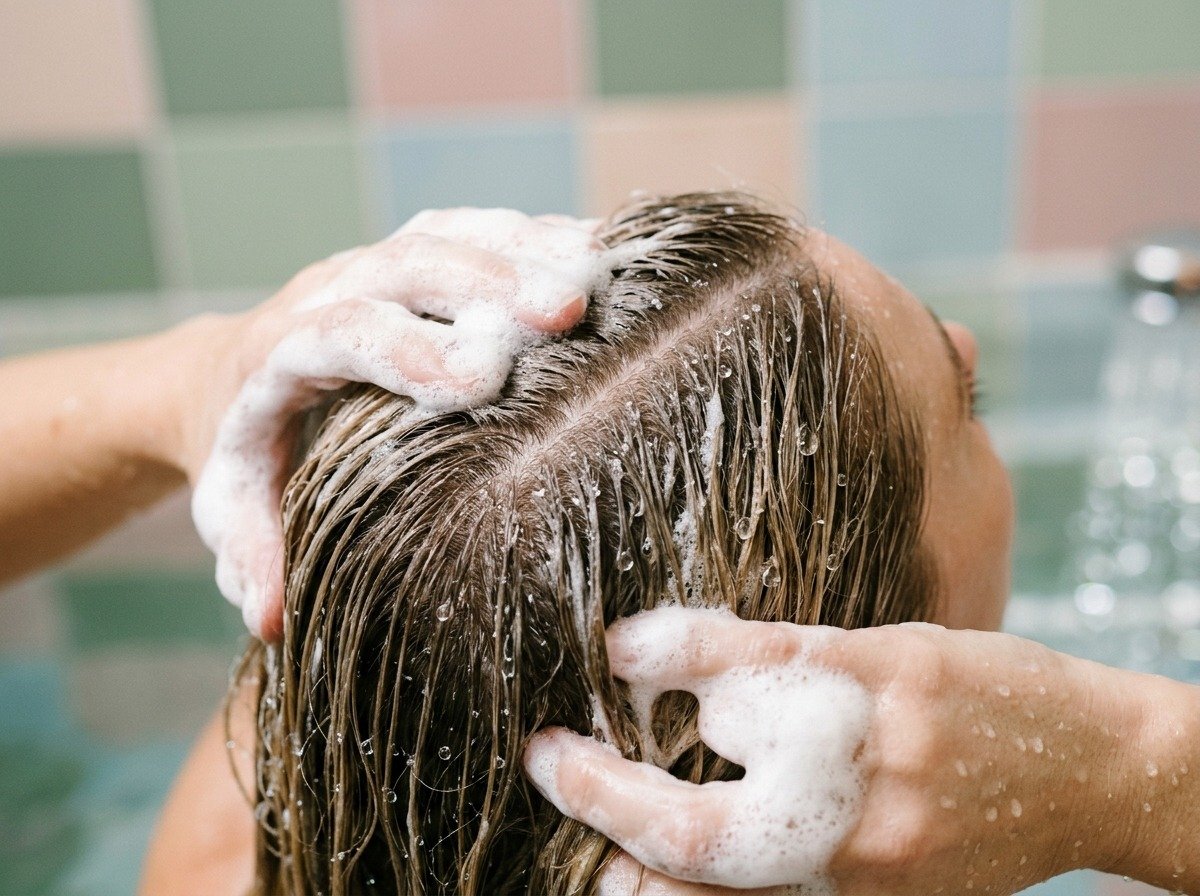
After shampooing, use the cooled tea water as your final rinse. Gently massage it into your scalp and let it sit for a few minutes before rinsing thoroughly with cool water.