The olive tree (Olea europaea) has been revered for millennia in sacred texts and the history of Mediterranean civilizations as a blessed plant yielding life-sustaining, nutrient-rich oil. Pure olive oil—particularly the extra virgin olive oil variant extracted from the first cold press of fresh olives without chemicals—has been empirically and clinically proven as one of nature’s most superior moisturizing agents for human hair strands.
In the modern era, where hair frequently suffers severe dehydration from air conditioning exposure, chlorinated water washes, and the side effects of chemical straightening and coloring treatments, olive oil emerges as a potent restorative treatment capable of restoring the softness and strength of hair fibers.
The Biochemical Profile of Olive Oil for Hair Health
Olive oil’s efficacy lies in its high concentration of monounsaturated fatty acids, primarily oleic acid (omega-9), which constitutes 70 to 80 percent of its composition, complemented by palmitic acid and linoleic acid. These fatty acids possess potent emollient properties that coat each hair strand with a protective lipid barrier, effectively preventing moisture evaporation.
In addition to healthy fatty acids, olive oil is rich in natural squalene—a moisturizing compound identical to human sebum—as well as vitamin E (tocopherol) and polyphenols, which act as antioxidant shields against damage from urban environmental free radicals.
Tangible Benefits of Olive Oil for Addressing Dry Hair
1. Lubricating Coarse, Straw-Like Hair Shafts
The oleic acid in olive oil penetrates the outermost cuticle layer, smoothing the rough, raised scales of the hair shaft. Hair that was previously stiff and crackled to the touch will transform into supple, silky-smooth strands that are easily detangled without resistance.
2. Sealing Split Ends
Hair ends are the oldest and most nutrient-depleted parts of the hair. Regularly applying a small amount of olive oil to the ends of hair strands temporarily seals split ends, prevents further fraying up the hair shaft, and makes hair appear uniformly neat.
3. Protecting Hair Fibers from Heat Styling Tool Friction
Olive oil possesses a naturally good heat tolerance point. Using olive oil as a pre-shampoo mask helps strengthen the cuticle’s resilience, making hair strands more robust against the blast of a hairdryer or the tug of a fine-tooth comb.
4. Imparting Natural Shine That Reflects Light
The smooth emollient layer left by olive oil creates a natural glass-like shine on the hair. Hair appears healthily radiant, reflecting light without the greasy, sticky appearance of cooking oil.
Tailoring Olive Oil Usage to Hair Strand Thickness:
It’s important to note that olive oil has a relatively heavy molecular weight and viscosity compared to argan or jojoba oils. If you have very thick, coarse, curly, or severely bleached-dry hair, olive oil is your ideal match. However, if your hair is fine, limp, and your scalp tends to get oily, use olive oil very sparingly (just a few drops) and apply only to the lower ends of your hair to prevent your crown from appearing flat and weighed down. — Salwa Salon Editorial Team
Guide to Performing a Hot Oil Treatment with Olive Oil
A luxurious DIY hair spa ritual for your weekend:
- Warm Olive Oil to Lukewarm: Pour 2 to 3 tablespoons of olive oil into a small cup, then place the cup in a bowl of hot water for 3 minutes until the oil feels comfortably warm on the scalp.
- Apply Strand by Strand: Evenly distribute the warm oil from mid-lengths to the ends of your hair using a wide-tooth comb.
- Wrap with a Warm Towel: Cover your hair with a shower cap and wrap it with a warm towel for 20 to 30 minutes to open the cuticles, allowing for deep nutrient absorption.
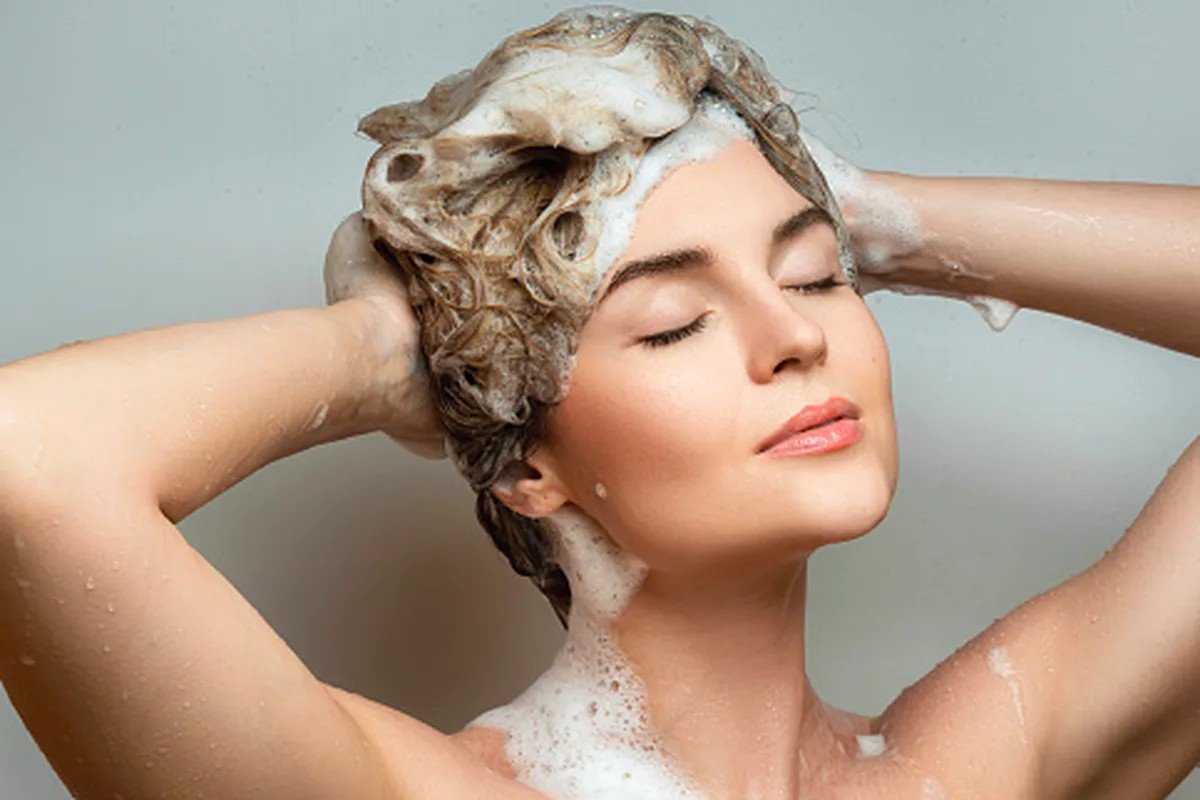
- Rinse Thoroughly with Shampoo: Shampoo twice with lukewarm water until your hair strands feel purely clean, light, and exceptionally soft.
Frequently Asked Questions (FAQ)
Is cooking-grade olive oil from the kitchen safe to use on hair?
It is perfectly safe. In fact, unsalted Extra Virgin Olive Oil (EVOO) commonly used for salads is the purest form of olive oil with the highest nutritional quality.
How often can olive oil masks be applied to hair?
Once a week is sufficient for normal to dry hair, and twice a week for hair severely damaged by chemical processes.
Can olive oil cure dandruff on the scalp?
Olive oil helps soften dry dandruff flakes, but it is not recommended for oily, wet dandruff as it can serve as a food source for the Malassezia fungus.
Is it permissible to apply olive oil to children’s hair?
It is highly permissible and safe. Use a small amount of warm olive oil to moisturize dry, tangled children’s hair strands before bathing.
Conclusion
Pure olive oil is an enduring botanical heritage offering profound moisturizing nourishment for thirsty and fragile hair strands. With regular use, appropriate dosage tailored to your hair type, and the correct warm treatment technique, your hair will regain its strength, soft suppleness, and natural, beautiful shine.