Before synthetic hair care products and modern hair masks flooded the cosmetic market, women of the archipelago have long passed down the secret to lustrous, shiny, and strong black hair using the natural bounty of coconuts. The coconut tree, aptly nicknamed the “tree of life,” indeed offers abundant benefits for bodily beauty, one of which is through the milky extract from its flesh, known as coconut milk.
Pure coconut milk is rich in low-molecular-weight lauric acid, which penetrates the hair cuticle and reaches the cortex, delivering essential fatty hydration and profound softness. Regularly applying a coconut milk mask is a highly effective natural method for restoring dry, stiff, and coarse, frizzy hair strands exposed to weather or heat styling tools.
The Remarkable Nutritional Content Behind Coconut Milk
Coconut milk is more than just a culinary ingredient that enhances traditional dishes; it’s a high-quality plant-based lipid emulsion vital for the structure of human hair. Coconut milk contains lauric acid—a medium-chain fatty acid with a high biological affinity for hair’s keratin protein.
In addition to lauric acid, coconut milk is packed with Vitamin C, Vitamin E, B-complex vitamins, and essential minerals like iron, calcium, and magnesium. This blend of natural nutrients penetrates hair strand porosity, replenishes lost protective lipid layers, and coats the hair fiber surface, restoring smoothness, elasticity, and manageability when brushing.
How to Prepare a Quality Fresh Coconut Milk Hair Mask at Home
For maximum hair benefits, it is highly recommended to use freshly squeezed coconut milk rather than store-bought instant versions, which often contain added thickeners and artificial preservatives. Opt for mature coconuts, as they yield the most abundant natural oils.
Grate the flesh of a mature coconut and mix it with a small amount of warm, boiled water. Squeeze and strain the thick coconut milk using a clean cheesecloth. Place the first press of coconut milk into a sealed glass container and refrigerate overnight. The following day, a rich lipid-rich cream layer (coconut cream) will separate and float to the top; this thick cream is the ultimate natural mask for your crowning glory.
The Correct Application Technique for Coconut Milk Masks
Before applying the coconut milk mask, ensure your hair is clean and slightly damp to allow the plant-based oils to absorb evenly. Gently comb through your hair to detangle any knots, then section your hair using hair clips.
Take a sufficient amount of coconut cream with your palms and apply it evenly from the mid-lengths of your hair down to the driest ends. If you have a dry or flaky scalp, gently massage any remaining coconut milk onto your scalp. Cover your head with a plastic shower cap or wrap it in a warm towel for 30 to 45 minutes to open the cuticle layers, allowing the coconut milk’s nutrients to be fully absorbed.
Rinsing Out Coconut Milk Residue to Prevent Limp Hair
The key to successful coconut milk hair treatments lies in the final rinsing process. Due to the rich fatty content of coconut milk, rinsing with cold water alone will not sufficiently dissolve the residual oil and can leave hair looking limp and smelling faintly of coconut.
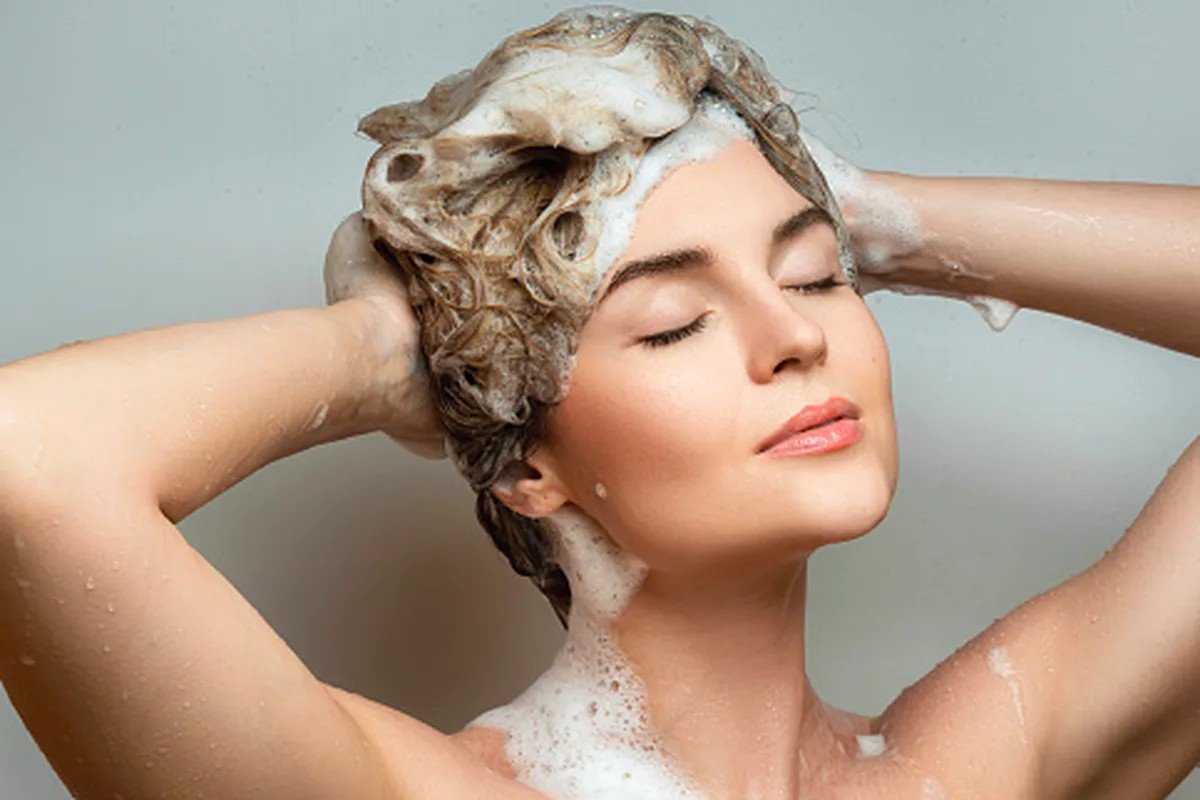
First, rinse your hair with lukewarm water until most of the coconut milk residue is washed away. Follow with a gentle, sulfate-free shampoo, lathering once or twice until your scalp and hair feel naturally clean and refreshed. You won’t need to follow up with a synthetic conditioner, as the coconut milk has already softened and detangled your hair strands perfectly.
Questions About Coconut Milk Hair Masks
How often should I use a coconut milk mask per week?
For very dry and damaged hair, use a coconut milk mask once a week. Once hair moisture levels are balanced, a maintenance treatment can be done every two weeks.
Is a coconut milk mask suitable for very oily scalps?
For those with very oily scalps prone to limpness, apply the coconut milk mask only to the mid-lengths and ends of your hair, avoiding application on the scalp area.
Can I mix coconut milk with other natural oils?
Absolutely. You can mix two tablespoons of thick coconut milk with one teaspoon of pure olive oil or natural honey for extra hydration for extremely coarse hair.
How long can fresh coconut milk be stored in the refrigerator?
Fresh coconut milk without preservatives should be used within 24 to 48 hours of being squeezed to prevent acidic fermentation, which can degrade its nutritional quality.
Salwa Salon Editorial Note: The natural world of the archipelago has provided all the goodness we need to nurture our body’s beauty with harmony and gentleness. Returning to the natural care of coconut milk is a form of respect for the wisdom inherited from our ancestors. Treat your hair with patient diligence, and enjoy the naturally soft, healthy, and captivating shine of your black crown.
Utilizing coconut milk for dry hair care is a safe, affordable, and time-tested effective natural solution. With its deeply moisturizing lauric acid nutrients and diligent application techniques, you can naturally restore the softness and healthy shine of your crowning hair.