5 Foolproof Glowing Makeup Secrets for Eczema Skin: Beauty Experts & Dermatologists Spill the Beans!

Hey, Beauty Besties! Salwa here, ready to boost your confidence with your dream glowing skin, even with eczema that can sometimes be a real ‘brat’. Let’s be honest, applying makeup is an art in itself, especially when our skin is super sensitive, meaning we have eczema. Redness, dryness, peeling – ugh, it feels like giving up, right?
- 1 Why Does Eczema Skin Make Makeup Application a Hassle?
- 2 Choose ‘Kind’ Products, Avoid the ‘Mean’ Ones
- 3 Moisturize First, Then Makeup!
- 4 Primer: A Secret Weapon for Eczema Skin
- 5 Hygiene is Paramount!
- 6 Choose ‘Wet’ Textures, Avoid ‘Dry’ Ones
- 7 ‘Light Layers’ Only, Not ‘Thick Coats’
- 8 ‘Gentle Touch’ is Key
- 9 Avoid Overly ‘Shimmery’ Products
- 10 ‘Longwear’ Products? Think Twice!
- 11 You MUST Do a ‘Patch Test’!
- 1 Why Does Eczema Skin Make Makeup Application a Hassle?
- 2 Choose ‘Kind’ Products, Avoid the ‘Mean’ Ones
- 3 Moisturize First, Then Makeup!
- 4 Primer: A Secret Weapon for Eczema Skin
- 5 Hygiene is Paramount!
- 6 Choose ‘Wet’ Textures, Avoid ‘Dry’ Ones
- 7 ‘Light Layers’ Only, Not ‘Thick Coats’
- 8 ‘Gentle Touch’ is Key
- 9 Avoid Overly ‘Shimmery’ Products
- 10 ‘Longwear’ Products? Think Twice!
- 11 You MUST Do a ‘Patch Test’!
But don’t worry, Salwa’s Friends! Having eczema doesn’t mean you have to stop wearing makeup forever. You can still look *flawless* with a full face of makeup. The key? Use products that are ‘kind’ to your skin, apply them super gently, and don’t forget hygiene. I’ve chatted with amazing dermatologists and *makeup artists* to bring you the most effective tips for those with eczema-prone skin.
Why Does Eczema Skin Make Makeup Application a Hassle?
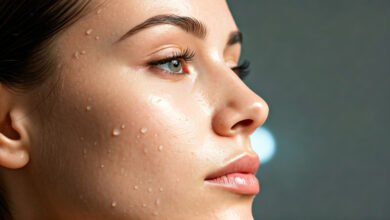
Before we dive into the tricks, let’s understand why eczema skin is different. Eczema is like our skin throwing a tantrum. Its skin barrier (the protective layer) is weak. Imagine a house with cracked walls; it’s easy for ‘uninvited guests’ like bacteria, allergens, or irritating chemicals to get in. That’s why the skin easily becomes red, dry, itchy, and even peels.
Now, if we carelessly apply makeup without preparation, expect your skin to protest even more. Pigments from makeup, fragrances, alcohol, or harsh active ingredients can trigger your eczema flare-ups. That’s why we need to be smart about choosing and using products.
-
Choose ‘Kind’ Products, Avoid the ‘Mean’ Ones
This is the most important! If you have eczema, you’re probably very aware that even the smallest thing can make your skin ‘furious’. So, never try products with unclear ingredients.
SalwaSalon Tip: It’s a must to choose skincare and makeup products that are hypoallergenic and specifically formulated for sensitive skin. This means these products have minimal ingredients that could potentially cause allergies or irritation.
According to Dr. Marisa Garshick, a certified dermatologist, “Eczema skin should avoid products containing fragrance or alcohol, which can be drying. These can really irritate the skin.” Seriously, those ‘pleasant’ scents are often the culprits.
Dr. Garshick also reminds us, “Be careful with trending active ingredients like exfoliating acids, retinol, or benzoyl peroxide. If they don’t suit you, your skin might scream for mercy!” So, if you’re trying these ingredients for the first time, make sure your skin is ‘safe’ and do a patch test first.
-
Moisturize First, Then Makeup!
Eczema skin is synonymous with dryness and peeling. So, this is crucial: never skip moisturizer before applying foundation, blush, or other cosmetics.
Dr. Garshick says, “It sounds simple, but applying a gentle moisturizer or even a thicker ointment on dry areas can make makeup adhere more evenly and smoothly.” So, moisturizer is like ‘glue’ that prepares your skin canvas for makeup application.
Look for moisturizers containing hyaluronic acid or glycerin. These two ingredients are champions at ‘pulling’ water into the skin, keeping it hydrated from within. It’s like drinking water when you’re extremely thirsty – that’s the effect it has on your skin.
Tomy Rivero, a celebrity makeup artist, agrees wholeheartedly. He adds, “Give your skin enough time to ‘absorb’ all the skincare. Layer serums and moisturizers, let them fully absorb so your skin becomes soft and comfortable.” So, no need to rush, Beauty Besties!
-
Primer: A Secret Weapon for Eczema Skin
Having a good primer is like having an extra ‘shield’ for your eczema skin. Primer not only makes makeup last longer but also acts as a ‘fortress’ between your skin and makeup pigments.
Bryan Cantor, another celebrity makeup artist, explains, “Applying primer after skincare creates a protective layer between the colored cosmetics and your skin. This is because some pigments can be a flare-up trigger.” So, primer is like a ‘tampon’ that protects your skin.
Additionally, primer adds moisture, which is desperately needed by eczema skin. Plus, it can smooth out rough skin texture, making makeup application easier.
SalwaSalon Tip: Don’t forget to use an eyelid primer too! Dr. Garshick says that the eyelid area is a common site for eczema flare-ups. So, eyelids also need extra protection.
-
Hygiene is Paramount!
This is the biggest mistake many people with eczema make: being lazy about cleaning makeup tools! In fact, eczema skin has a weakened skin barrier and an imbalanced microbiome (a community of good bacteria on the skin). This makes the skin more susceptible to ‘attacks’ from bad bacteria.
Dr. Tiina Meder, another certified dermatologist, issues a strong warning, “If you use makeup brushes or sponges, they absolutely must be cleaned regularly with a gentle cleanser.” You don’t want dirty makeup tools becoming a new source of problems for your skin, do you?
Also, pay attention to the expiration dates of your makeup products. Expired products have unstable ingredients and can be ‘meaner’ to your skin.
-
Choose ‘Wet’ Textures, Avoid ‘Dry’ Ones
When choosing foundation or other makeup at a store or online, try to look for cream-based products. Absolutely avoid powder-based products.
Dr. Garshick explains, “Cream-based foundations tend to be more moisturizing and nourishing for the skin. Unlike powder formulations, which can make the skin even drier, especially for eczema skin.”
My advice is to try switching to cream blushes, cream highlighters, or cream eyeshadows. Their ‘wetter’ texture will be more ‘friendly’ to your eczema skin.
-
‘Light Layers’ Only, Not ‘Thick Coats’
It’s tempting to cover up red or flaky areas with thick makeup, but this can backfire on your eczema skin.
Dr. Garshick warns, “Applying too much product can actually make eczema skin more irritated. Besides, the more makeup you apply, the harder it is to remove. The rough process of removing makeup can make the skin drier and worsen the appearance of eczema.”
Tomy Rivero has a clever trick: “Apply a sheer (thin) formula evenly all over the face to even out skin tone. If there are areas that need extra coverage, then use concealer sparingly.” So, the key is to ‘layer’ thinly, okay?
-
‘Gentle Touch’ is Key
Sensitive skin needs special treatment, meaning a gentle touch. Dr. Meder advises, “Avoid rubbing foundation too harshly. This will only make the skin redder and more irritated.”
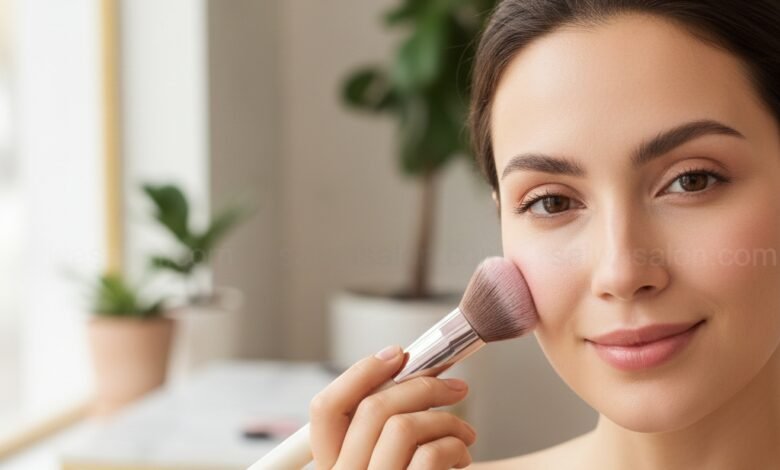
The best method is to use a clean makeup brush or sponge, then dab the makeup onto the skin. Use the same gentle technique when removing makeup, too!
-
Avoid Overly ‘Shimmery’ Products
Who doesn’t love shimmery makeup? But if your skin has eczema, it’s best to hold back that desire. Tomy Rivero says that overly shimmery products can ‘highlight’ flaky skin areas.
He recommends avoiding ingredients like micas, shimmer powders, or products with glitter. If you want a ‘wet’ and dewy look, try using lip or cheek products with a glossy texture.
-
‘Longwear’ Products? Think Twice!
Makeup that lasts all day seems like a dream, right? But for eczema skin, it can be an ‘enemy’. Bryan Cantor advises, “Avoid makeup with extra staying power, like long-wear or waterproof products. This is because the harsh chemicals used to make these products long-lasting can irritate the skin.”
Not to mention, if not removed properly, residues can remain on the skin and worsen flare-ups. So, it’s better to choose ‘lighter’ products that are easy to remove.
-
You MUST Do a ‘Patch Test’!
This is the smartest step before you use any new skincare or makeup product, especially if you have sensitive skin.
SalwaSalon Tip: Try applying the new product to a small, inconspicuous area, like under your ear or on your lower jawline. Repeat application in the same area for a week. If there are no negative reactions, then you can use it on your entire face.
It’s like ‘getting to know’ the product before you fully ‘commit’. That way, if anything goes wrong, it won’t ruin your entire look.
So, what do you think? It’s not that complicated to achieve your dream glowing face, even with eczema, right? The key lies in choosing the right products, applying them gently, and maintaining hygiene. Let’s start trying these tricks tonight!
If you have any questions or want to share your experiences, don’t hesitate to comment below! I’m waiting!