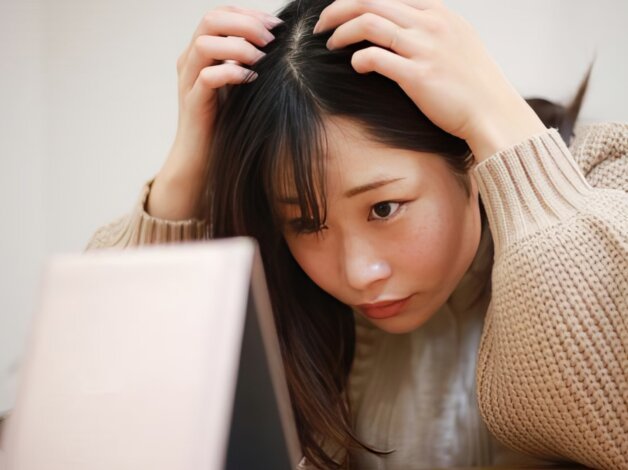
Scalp acne is a concern that should not be underestimated. While it’s commonly associated with older individuals, experiencing scalp acne at a younger age is also not uncommon.
Understanding the underlying causes is the crucial first step toward effective management. Let’s delve into several factors that can contribute to scalp acne and outline the recommended treatment approaches.
1. Inadequate Hair and Scalp Hygiene?
Maintaining optimal hair and scalp hygiene is paramount in preventing acne breakouts. Clogged pores, resulting from the accumulation of dirt and sebum, can create a breeding ground for acne-causing bacteria. It’s essential to shampoo regularly and utilize appropriate hair care products to thoroughly cleanse both the hair and the scalp.
2. Infrequent Shampooing?
Skipping regular shampooing can lead to a buildup of excess oil, impurities, and dead skin cells on the scalp. This buildup can obstruct hair follicles and trigger the formation of acne. Establishing a consistent shampooing routine is a simple yet vital practice for preserving scalp health.
3. Allowing the Scalp to Remain Sweaty and Dirty?
A moist and soiled scalp creates an ideal environment for the proliferation of acne-inducing bacteria. It’s advisable to avoid prolonged periods of scalp perspiration, particularly after strenuous exercise or exposure to direct sunlight. Regular cleansing of the scalp is necessary to prevent the accumulation of sebum and environmental debris.
4. Excessive Exposure to Intense Sunlight?
Overexposure to intense sunlight can stimulate the overproduction of sebum on the scalp. Employ protective headwear, such as hats or scarves, when exposed to harsh sun conditions. Don’t forget to apply a broad-spectrum sunscreen to shield the scalp from UV-induced damage.
5. Overuse of Hair Styling Products?
Many hair styling products contain chemical ingredients and oils that can lead to scalp irritation and product buildup. It’s important to select styling products that are compatible with your specific scalp type and to avoid excessive application.
6. Unhealthy Lifestyle and Stress?
Stress and an unhealthy lifestyle can significantly impact scalp health. Incorporating regular physical activity, consuming a nutrient-rich diet, and managing stress levels are crucial for maintaining a healthy scalp.
7. Genetic Predisposition and Certain Medical Conditions?
Genetic factors and specific medical conditions, such as seborrheic dermatitis, psoriasis, PCOS, and dandruff, can also influence scalp health and contribute to acne formation. Consulting with a dermatologist or trichologist is recommended for advanced management if you are experiencing persistent or severe scalp acne.
Scalp acne can be a bothersome issue, but with the right care regimen and a healthy lifestyle, you can significantly reduce its occurrence. Prioritize scalp hygiene, minimize excessive sun exposure, and choose hair care products wisely to achieve a healthy, blemish-free scalp.



Tinggalkan Balasan