
Laura Read, a former London-based beauty influencer, couldn’t understand why her skin was breaking out. She regularly collaborated with cosmetic companies for her YouTube tutorials and selected lotions, potions, and creams to address the issue. Yet, nothing seemed to help. Ms. Read stated she struggled with a “bumpy forehead, milia around my eyes, and eczema on my cheeks” for years. Finally, she turned her attention to “the sheer number of products I was testing and trying.”
She limited herself to a cleanser and moisturizer – “no serums, no toners, no face masks, no nothing” – and her skin concerns resolved within weeks. Mary Schook, a celebrity aesthetician based in New York City, has seen the same phenomenon. She says her clients often come to her feeling inflamed and confused: They have access to the “best” products money can buy, yet they have the “worst” skin of their lives.
“Every appointment is an intelligence mission,” Ms. Schook said. “People are stressing their skin out by overusing skincare products.” Influencers and celebrities aren’t the only ones experiencing this, experts say. As elaborate skincare trends proliferate on social media and product sales continue to surge, so too do consumers buying into these routines.
How Can Products Stress Your Skin?
Acne and other skin concerns arise for a multitude of reasons, from psychological stress to hormones, but product overuse is also a common culprit, according to Dr. Sonia Khorana, a dermatologist in the U.K. The skin’s outermost layer is its primary barrier and the first line of defense for the immune system, says Dr. Tamia Harris-Tryon, a dermatology professor at UT Southwestern Medical Center.
Composed primarily of proteins and lipids, it protects against environmental threats, which are also known as stressors. These include sunlight, pollutants, allergens, irritants, and microbes, she says. “The barrier is like a shield that neutralizes attackers so they’re not harmful,” says Ron Robinson, a New York-based cosmetic chemist.
However, prolonged exposure to any of these stressors can result in an overtaxed complexion. Skincare ingredients can also be stressors. And any ingredient used on your skin is another potential threat to assess the barrier, Mr. Robinson says.
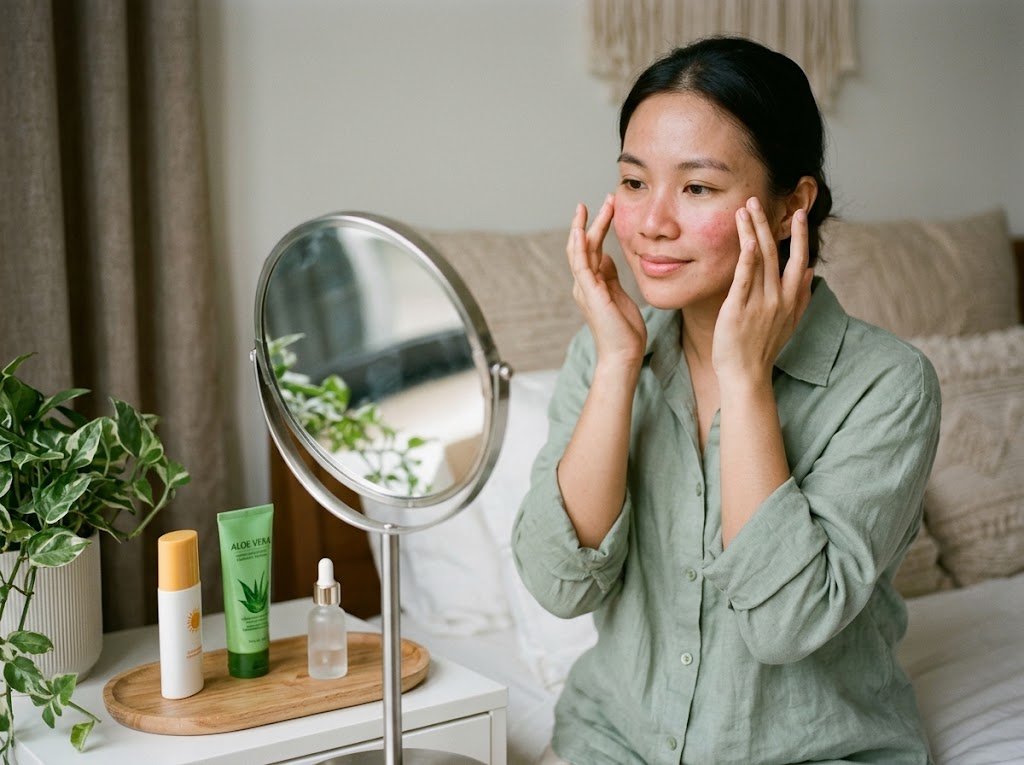
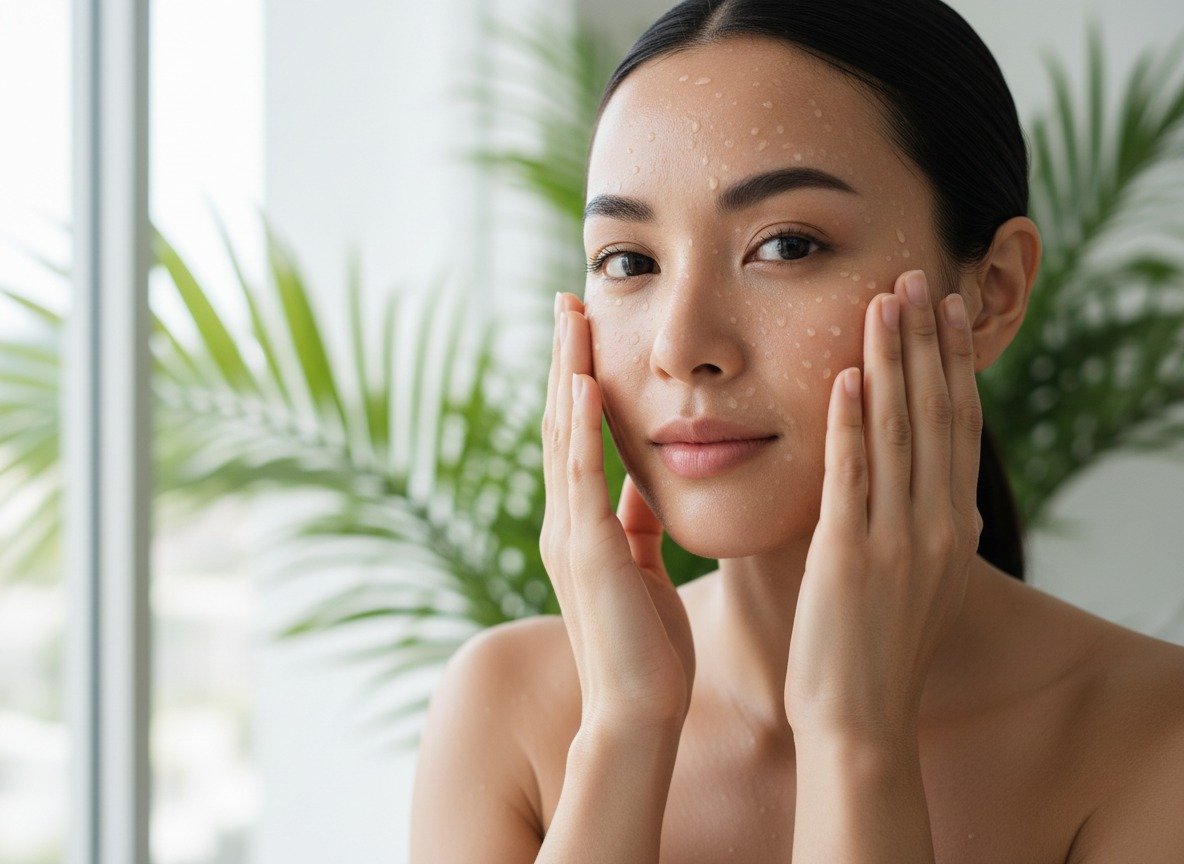
The more products you use, the harder it is for your skin to do its job, and the more problems may arise, Dr. Harris-Tryon adds. Product overuse can lead to dryness, redness, breakouts, patches, and dermatitis. And it can trigger the onset of underlying skin conditions like acne, rosacea, eczema, and psoriasis.
However, it “may be possible to de-stress your skin,” says Dr. Khorana. All you need is less.
What Should You Remove From Your Routine?
To start, “take a break from actives,” says Dr. Whitney Bowe, a dermatologist in New York. These ingredients “turn on” changes on the skin’s surface and include ingredients like retinoids, vitamin C, benzoyl peroxide, and lactic acid. These ingredients are often thought to “address wrinkles or tone overnight,” but the impressive results can come with undesirable consequences, says Mr. Robinson.
You should also ditch any facial cleansers that leave your skin feeling tight or itchy, as both are signs of a compromised skin barrier, says Dr. Bowe. Dr. Khorana adds that this is especially true for cleansers containing surfactants like sodium lauryl sulfate, as these ingredients can cause “dryness, irritation, and eczema.”
Avoid products with alcohol, exfoliants, essential oils, and fragrances, says Dr. Bowe, as these also tend to be disruptive. And consider ditching washcloths, as scrubbing your skin can cause damage, she adds. The bottom line: “If a product makes your skin feel irritated or red, don’t use it,” says Dr. Harris-Tyron. The same goes for any tingling or stinging sensations.
What Should Your Routine Look Like?
While your skin is in healing mode, experts recommend sticking to the basics: a cleanser, moisturizer, and sunscreen. “Use a gentle, non-foaming, pH-balanced cleanser,” says Dr. Khorana, and use lukewarm water to rinse. You don’t even need to wash your face twice a day, says Dr. Bowe.
“If you want to skip it in the morning and just splash your face with water, that’s acceptable.” Look for moisturizers with “calming, cooling, nourishing” properties and apply them to damp skin morning and night, she says.
She suggests formulas with ingredients known to support the skin barrier, such as squalane, jojoba, and sunflower seed oils, as well as ceramides. As for sun protection during the day, Dr. Bowe says mineral sunscreens formulated with zinc oxide may be gentler on sensitive skin than chemical formulas.
Dr. Khorana says it takes about four weeks for your skin to clear, so be sure to stick with your new routine. “It’s important to be patient while your skin repairs itself,” she says.
Once her clients have healed, Ms. Schook says they rarely revert to their previous multi-step routines. “If they’re seeing results with this very simplified approach, why would they?”



Tinggalkan Balasan