
For hijab-wearing women, hair is not just a part of their appearance, but also a health asset that requires special care. Prolonged periods with hair covered by a hijab can lead to limpness, unpleasant odors, and even hair loss if not managed correctly. This is especially true for active students and career women who spend their days outdoors, exposed to pollution, air conditioning, and extreme weather.
- 1 Why is Hair Prone to Issues for Hijab-Wearing Women?
- 2 5 Daily Hair Care Tips for Hijab-Wearing Women
- 3 Hijab Hair Care Product Recommendations: Check the Ingredients!
- 4 Natural (DIY) Treatments for Healthy & Fragrant Hair
- 5 Avoid Bad Habits That Damage Hijab-Wearing Hair
- 6 Conclusion: Healthy Hair = Daily Confidence
However, there’s no need to worry! With the right daily hair care routine, your hair can remain healthy, strong, and fragrant even when consistently covered. This article will delve into **practical tips, product recommendations, and natural (DIY) treatments** that are easy to implement at home. Read on for healthy, confident hair!
Why is Hair Prone to Issues for Hijab-Wearing Women?
Before we explore solutions, it’s crucial to understand the primary reasons behind hair problems for women who wear the hijab:
- Poor Air Circulation – Hair being covered all day leads to sweat accumulation.
- Excess Moisture – Sweat and scalp oils cannot evaporate, causing hair to become limp and develop odor.
- Friction with Hijab – Rough hijab fabrics can cause hair breakage and loss.
- Infrequent Shampooing – Fear of prolonged wet hair or lack of time leads to the buildup of oils and dirt.
5 Daily Hair Care Tips for Hijab-Wearing Women
1. Choose the Right Hijab Fabric
Opt for hijabs made from **cotton, rayon, or bamboo** – materials that are sweat-absorbent and gentle. Avoid synthetic fabrics like polyester, which can make the scalp feel hot and humid.
Tip: Use a cotton hijab inner (cap) to absorb sweat and protect hair from friction.
2. Never Wear Your Hijab Immediately After Washing Hair
Wet hair is prone to breakage and fungal infections. Ensure your hair is completely dry before putting on your hijab. If you’re in a rush, use a blow dryer on a low heat setting.
3. Brush Your Hair Regularly (But Gently)
Brush your hair in the morning and evening before bed to prevent tangles and improve blood circulation to the scalp. Use a wide-tooth comb to avoid damaging your hair.
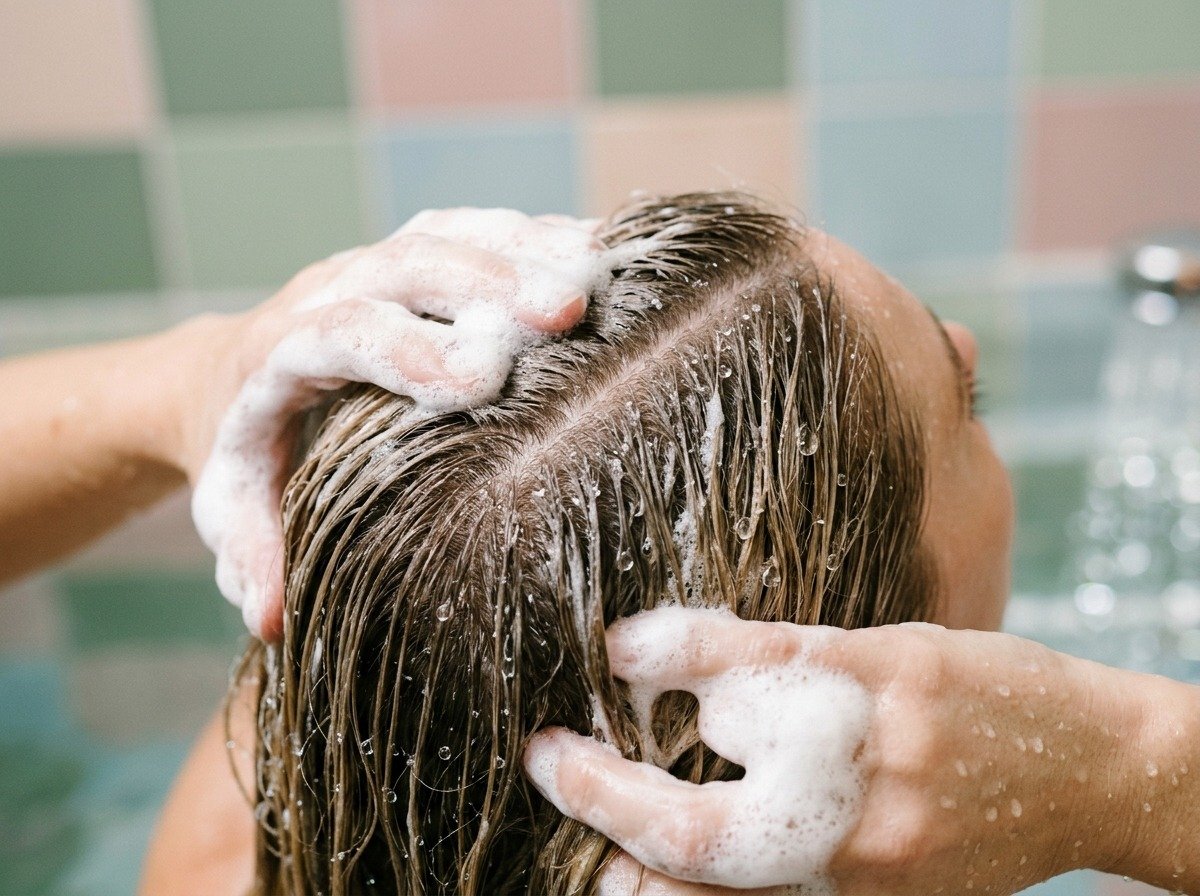
4. Shampoo Regularly (2–3 Times a Week)
Shampooing frequency depends on your hair type. Oily hair may benefit from washing 2–3 times a week, while dry hair only needs 1–2 washes. Use a mild, non-stripping shampoo.
5. Give Your Hair “Breathing Room”
When you’re at home, remove your hijab and let your hair be free for a while. This allows your scalp to breathe and reduces moisture buildup.
Hijab Hair Care Product Recommendations: Check the Ingredients!
Select products with natural ingredients that are not overly harsh. Here are the ingredients you **should look for** in hair products:
| Ingredient | Benefit |
|---|---|
| Aloe Vera | Soothes the scalp, moisturizes, and reduces dandruff. |
| Tea Tree Oil | Natural antibacterial agent, combats unpleasant odors and itchiness. |
| Argan / Jojoba Oil | Softens hair, prevents dryness and split ends. |
| Biotin & Vitamin B5 | Strengthens hair follicles, prevents hair loss. |
| Zinc Pyrithione | Effectively combats fungi that cause dandruff. |
Product Recommendations:
- Shampoo: The Body Shop Tea Tree Shampoo or Safi Anti Dandruff Shampoo
- Conditioner: Wardah Hair Fall Control Conditioner (contains aloe vera extract & biotin)
- Dry Shampoo (optional): Batiste Dry Shampoo – a convenient option for students who can’t wash their hair daily
- Hair Serum: Minyak Kemiri Asli or L’Oréal Elvive Full Resist Masque
Natural (DIY) Treatments for Healthy & Fragrant Hair
At-home treatments can be a cost-effective and efficient solution. Here are 3 DIY recipes you can try once a week:
1. Aloe Vera + Honey Hair Mask
Benefits: Moisturizes, reduces hair limpness, and imparts a natural fragrance.
- Mix 2 tbsp aloe vera gel + 1 tbsp honey
- Apply to hair and scalp
- Leave on for 30 minutes, then rinse
- Do this once a week
2. Scalp Scrub with Sugar + Coconut Oil
Benefits: Exfoliates dead skin cells, reduces odor, and cleanses pores.
- Mix 1 tbsp sugar + 1 tbsp coconut oil
- Gently massage the scalp for 5 minutes
- Rinse, then shampoo as usual
- Do this every two weeks
3. Pandan Leaf Infusion Rinse
Benefits: Provides a natural fragrant scent and enhances hair shine.
- Boil 5–7 pandan leaves in 1 liter of water
- Let it cool, then use as a final rinse after shampooing
- No need to rinse again
Avoid Bad Habits That Damage Hijab-Wearing Hair
- Tying hair too tightly when it’s still wet
- Wearing a wet or damp hijab
- Using products with high alcohol content (can dry out hair)
- Infrequently washing hijabs and inner caps (bacteria buildup!)
Tip: Wash hijabs and inner caps at least twice a week with a mild detergent.
Conclusion: Healthy Hair = Daily Confidence
Hijab-wearing women can still achieve healthy, strong, and fragrant hair with consistent care and the right product choices. The key lies in **cleanliness, consistency, and gentleness** in treating your hair.
For busy students and career women, simply implement:
- Use sweat-absorbent hijab materials
- Shampoo regularly + choose shampoos with tea tree oil or aloe vera
- Brush your hair daily
- Try one natural treatment per week
With a little effort, your hair will remain healthy even when always covered by a hijab. And most importantly, **you’ll maintain your confidence all day long!**



Tinggalkan Balasan