Within the rich tapestry of natural hair care traditions in Asia—particularly inspired by the age-old practices of the Yao ethnic group in rural China, renowned for their floor-sweeping, long, black hair—the utilization of fermented rice water has become a viral trend, immensely popular on social media. Many are enticed to rinse their hair daily with rice water, hoping for instantly thicker, faster-growing, and lustrous strands. While rice water does indeed contain valuable amino acids, inositol, and B-complex vitamins, its indiscriminate use without understanding the biological limitations of hair often leads to new hair fiber catastrophes.
Numerous novice users complain of their hair suddenly becoming extremely stiff, dry as straw, losing its natural elasticity, and breaking easily when brushed after several weeks of consistent rice water use. This condition, known in trichology as protein overload, occurs because rice water is rich in starch protein molecules that can adhere densely to the outer cuticle layer of the hair shaft. If this protein buildup is not balanced by an adequate supply of water-based moisture (hydration), the hair strands will lose their elasticity and become brittle.
The Biological Mechanism of Rice Water Protein Buildup
Several technical factors explain why rice water can backfire for your hair:
1. Starch Layer Hinders Moisture Penetration?
The dried rice protein and starch on the hair strands form a hard layer that excessively coats the cuticle. This layer acts like a waterproof shield, preventing water molecules and emollients from conditioners from penetrating the inner cortex of the hair.
2. Extreme Vulnerability in Low Porosity Hair?
Hair with a naturally tight cuticle structure (low porosity) already possesses a dense keratin protein content. Flooding it with rice water protein leads to surface buildup without room for absorption, leaving the hair feeling sticky, rough, and dull.
3. Risk of Fungal Infection Due to Over-Fermentation?
Rice water fermented for too long at warm room temperatures can become a breeding ground for microbes and fungi. Rinsing the scalp with contaminated acidic liquid can trigger seborrheic dermatitis (damp dandruff), a burning itch, and a persistent musty odor.
Safe Practices for Utilizing Rice Water for Hair
To reap its benefits without damaging your hair, adhere to the following safe guidelines:
- Limit Usage Frequency to a Maximum of Once Every Two Weeks: Never use rice water as a daily rinse. Use it just once every two weeks or once a month as a periodic strengthening treatment.
- Dilute Rice Water with Clean Water: Do not use concentrated rice water directly. Mix fermented rice water with regular clean water at a one-to-two ratio to reduce the starch protein concentration.
- Mandatory Follow-Up with an Extra-Moisturizing Mask (Deep Hydration): After rinsing hair with rice water and letting it sit for ten minutes, thoroughly rinse hair with running water, then apply a rich, emollient hair mask to restore moisture to the strands.
- Thorough Rinsing is Essential: Never leave rice water to dry on your hair without rinsing with clean water, as the starch residue will crystallize and attract environmental dust.
Natural wisdom demands balance and an awareness of limits. Even the most beneficial ingredients can become detrimental if used excessively without understanding our body’s true needs.
How to Restore Hair Suffering from Protein Overload
If your hair has become stiff and brittle due to rice water, follow these restorative steps:
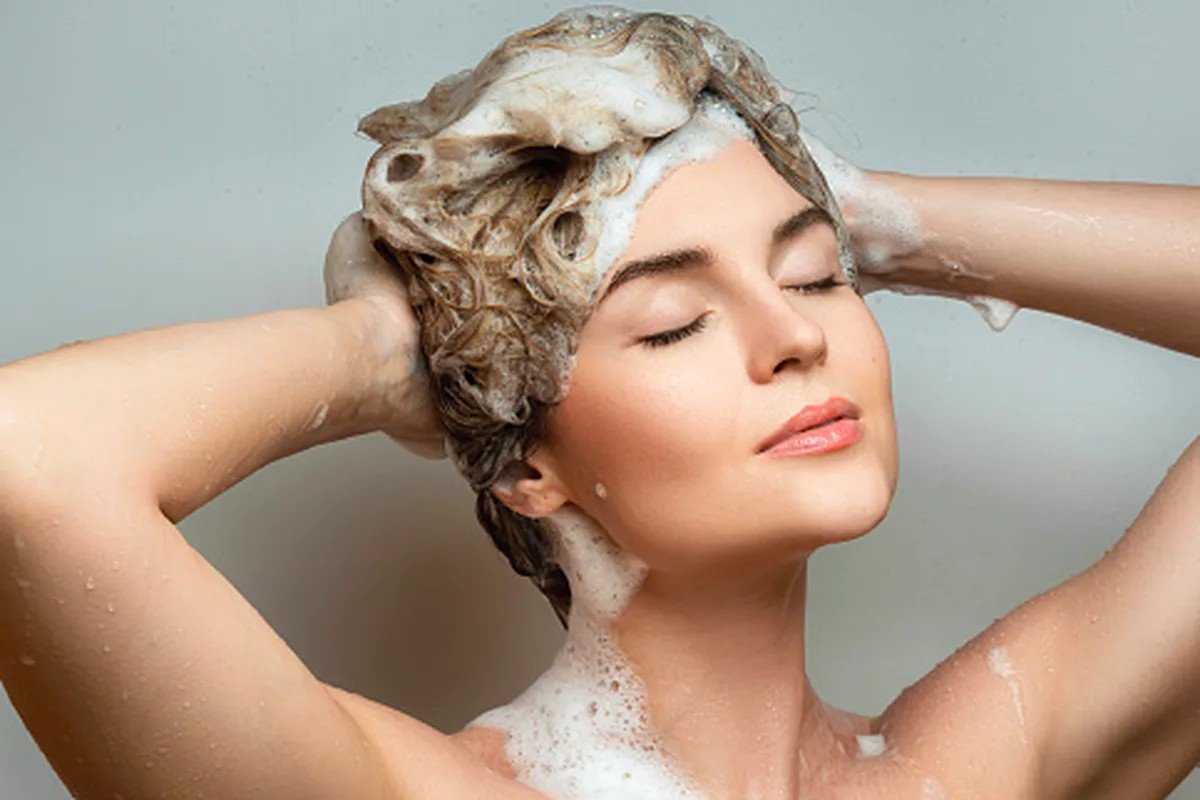
Use a Clarifying Shampoo
Wash your hair with a gentle clarifying shampoo to dissolve hardened starch protein deposits on the hair cuticle surface.
Focus Solely on Pure Hydration for One Month
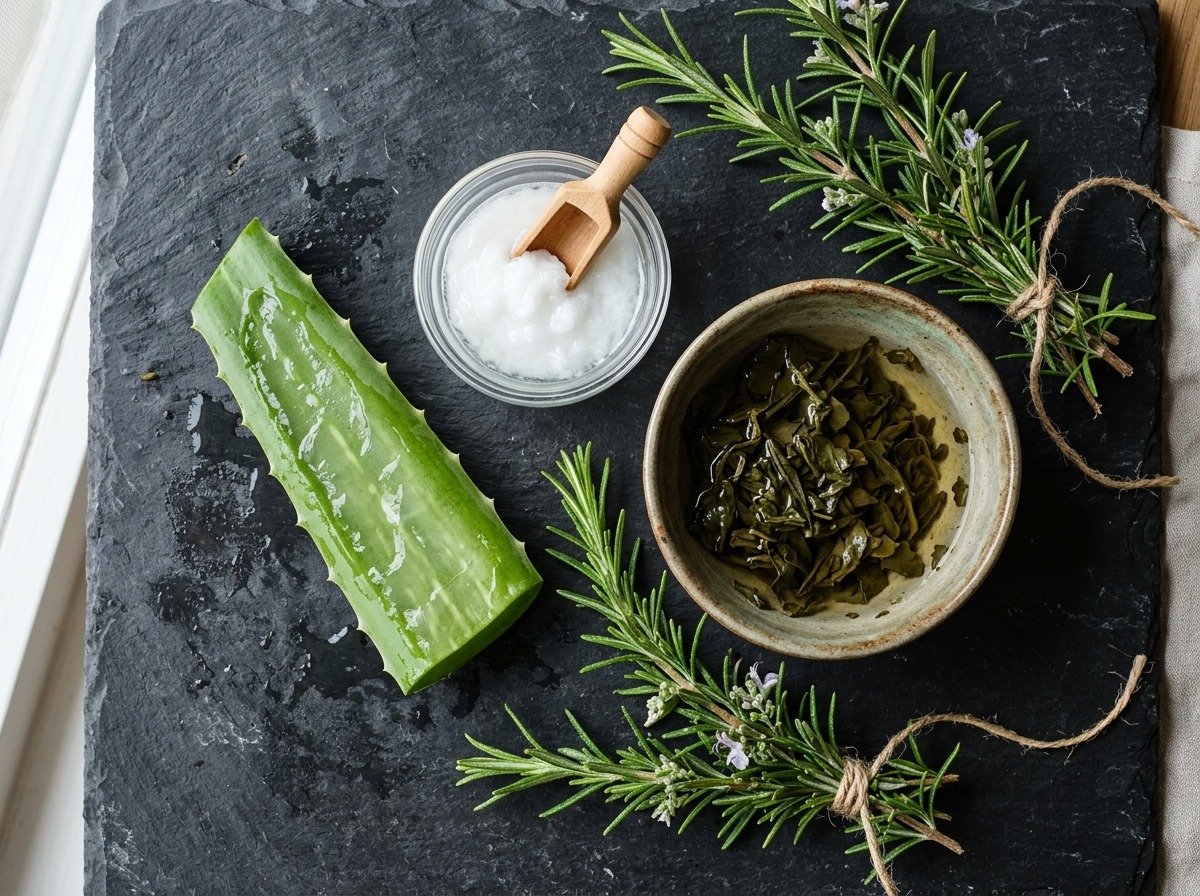
Discontinue all protein-containing products (such as keratin, collagen, or rice water) for four weeks. Instead, use products rich in hyaluronic acid, glycerin, and pure aloe vera gel.
Frequently Asked Questions About Rice Water Usage
What is the ideal fermentation time for rice water?
The optimal fermentation time is twelve to twenty-four hours at a cool room temperature. Once the water begins to emit a slightly fresh, tangy aroma, immediately store it in the refrigerator to halt further fermentation.
What type of rice is best for hair?
Organic rice free from chemical pesticides—whether white, brown, or black rice—is the best choice to minimize exposure of agricultural chemical residues to the scalp.
Can rice water promote hair growth on a completely bald scalp?
Rice water helps strengthen fragile hair shafts to prevent breakage but cannot revive permanently dead hair follicles.
Is it permissible to apply rice water directly to a flaky scalp?
It is best to avoid this. The starch in rice water can serve as a nutrient source for the fungi that cause dandruff. Focus rice water rinses only on the mid-lengths to the ends of the hair shaft.
The beauty of well-maintained hair is rooted in our wisdom to treat our bodies with the right measure. Embrace nature’s goodness with caution, and let the softness of your healthy hair shine naturally every day.