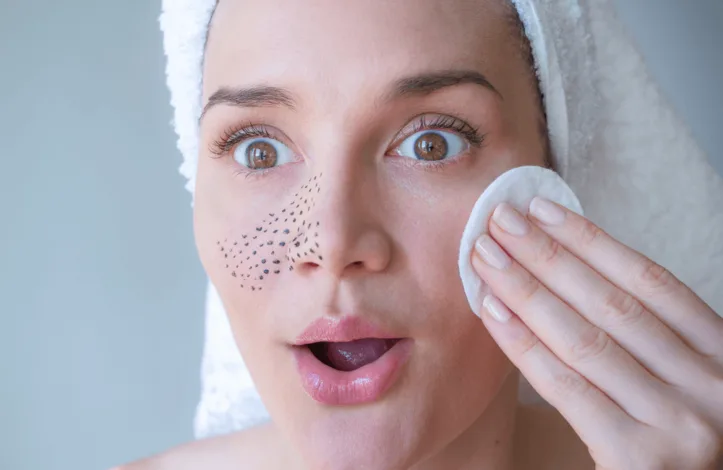
Dark spots are the result of overproduction or accumulation of melanin, the skin pigment that causes skin to darken. This can be triggered by various factors. Dark spots are typically benign.
However, if an individual wishes to improve their appearance, they can usually do so with treatments. So, how can dark spots on the face be eliminated? Let’s delve into the explanation!
[ez-toc]
How to Eliminate Dark Spots on the Face
1. Retinol
Retinol is a weaker formulation available over-the-counter compared to retinoids, yet it offers similar benefits in reducing the appearance of dark spots, though its effects may take longer. Retinol and retinoids inhibit the transfer of melanosomes to keratinocytes, while also accelerating epidermal cell turnover. In essence, retinoids help speed up the shedding of pigmented dead skin cells and their replacement with new skin cells.
2. AHAs & BHAs
AHAs and BHAs, or alpha-hydroxy acids and beta-hydroxy acids, possess the ability to help diminish the appearance of dark spots. Although they are different types of products, they operate in a similar fashion. AHAs help to brighten dark spots by exfoliating the skin. Meanwhile, BHAs are generally used to treat acne but can also be employed to reduce dark spots.
3. Kojic Acid
Kojic acid can be the optimal solution if you are dealing with dark patches. Kojic acid is derived from fermented fungi and is both gentle and proven effective. Studies indicate that kojic acid has the capacity to brighten the skin and reduce the intensity of dark spots, a result particularly suited for addressing melasma patches specifically.
4. Arbutin
Arbutin has demonstrated efficacy in fading hyperpigmentation, essentially serving as a natural alternative to the controversial hydroquinone. Arbutin is a substance that can decrease the activity of the tyrosinase enzyme in the skin, which plays a role in the skin’s pigmentation process. However, it tends to be gentler than commonly used hydroquinone due to its slower release mechanism.
5. Aloe Vera
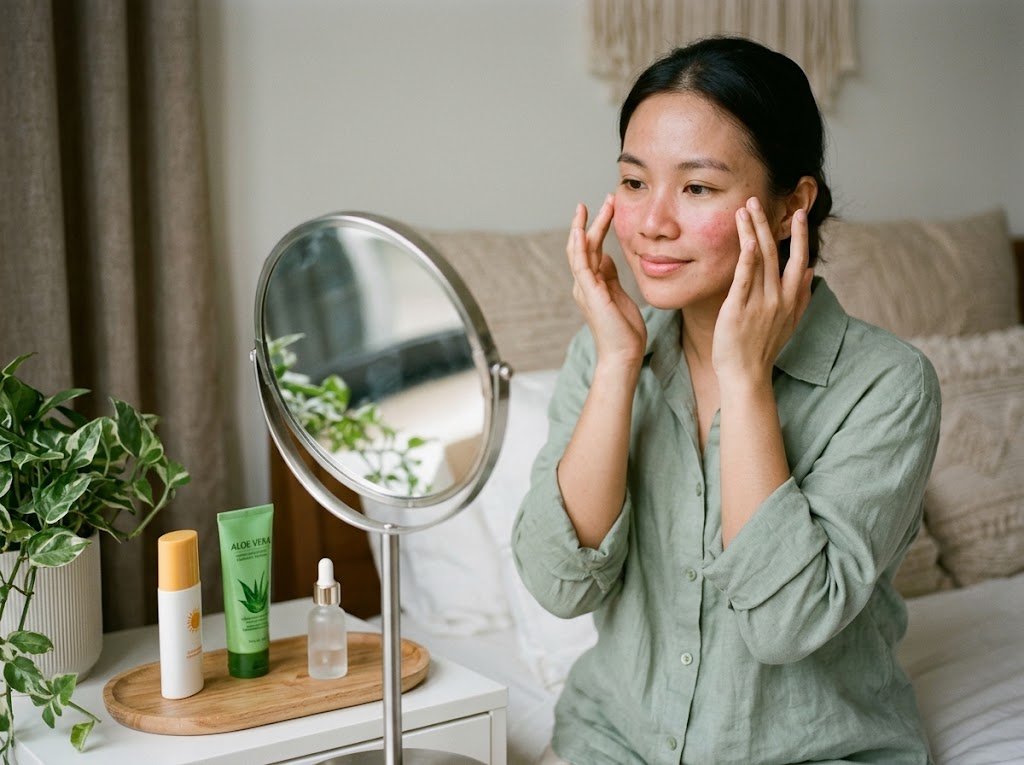
If you aim to reduce dark spots while simultaneously providing hydration to your skin, aloe vera is an excellent choice. Not only is it safe and beneficial for sensitive skin, but it is also easy to use. Research suggests that aloesin (a natural compound found in the aloe vera plant) is effective in fading hyperpigmentation. The use of aloesin can inhibit hyperpigmented skin from producing more melanin.
6. Physical Exfoliators
Physical exfoliators are manual methods for removing dead skin cells using scrubs, washcloths, facial brushes, or other tools that abrade the skin. While physical exfoliation may not yield the same brightening effect on dark spots as some of the previously mentioned options, it can still contribute to a brighter complexion. However, if you opt for physical exfoliation, proceed with caution.
7. Laser Therapy
Currently, an increasing number of individuals are opting for laser therapy to address skin discoloration concerns. A dermatologist will focus laser beams on the discolored areas after performing a patch test to minimize risks. Although this process requires a longer duration, typically 4-6 sessions, it offers a long-lasting solution for eliminating dark spots. Ensure you receive laser treatments from a licensed dermatologist.
8. Microneedling
In this treatment, a stainless steel device coated with hundreds of tiny needles is utilized. As these needles penetrate the skin, they stimulate increased collagen production and aid in restoring skin elasticity. Prior to the session, an anesthetic cream is applied to ensure there is no discomfort during the procedure. Ideally, 4-6 sessions are needed to observe results.
9. Microdermabrasion
Microdermabrasion is also an exfoliating treatment that helps to remove dead skin cells. This treatment is suitable for individuals with mild levels of hyperpigmentation. One of the advantages of microdermabrasion is the absence of skin tissue damage, as it is a non-surgical procedure. This also translates to a shorter recovery time compared to some other procedures.
10. Chemical Peels
In a chemical peel, a mixture of chemical solutions is applied to the hyperpigmented areas. These chemicals help to remove the outer layers of the skin, which ultimately aids in fading dark spots. After removing the top layer of skin, this procedure stimulates skin regeneration. While stronger chemical peels can address deeper skin layers, they also necessitate a longer healing period.
Causes of Dark Spots on the Face
1. Excessive Sun Exposure
Prolonged sun exposure without adequate protection can increase melanin production, leading to the formation of dark spots on the skin. Continuous exposure can even elevate the risk of skin cancer. To protect yourself, avoid peak sun hours between 10 AM and 2 PM, and use sunscreen or a moisturizer with SPF 30 or higher daily, even on cloudy days.
2. Hormonal Changes
Hormonal fluctuations, particularly in women, can occur due to aging, pregnancy, or even menopause. As a result of these hormonal shifts, dark patches and pigmentation may appear on the face. One common condition triggered by hormonal changes is melasma, which manifests as brown spots on the skin. The appearance of dark spots can occur in various body areas, not just the face.
3. Post-Acne Marks
Acne can leave behind pigmentation known as post-inflammatory hyperpigmentation (PIH), which is the skin’s natural response to inflammation and damage. To address this, treatments with skincare products containing vitamin C and kojic acid can help eliminate acne scars.
4. Pollution
Facial skin exposed to daily air pollution is susceptible to dark spots. Irritation to the facial skin can cause inflammation that damages the skin barrier, increasing melanin production and leading to blemishes in inflamed areas. One way to prevent pollution-induced hyperpigmentation is to cleanse the skin immediately upon returning home each day with antioxidant-rich products. You can also wear a mask when traveling.
Dark spots on the face are a common concern that are often benign, but can affect appearance and reduce self-confidence. Their causes vary, ranging from sun exposure, hormonal changes, post-acne marks, to pollution. Addressing dark spots can be achieved through various methods, including natural ingredients like aloe vera and arbutin, as well as medical treatments such as laser therapy and microneedling.
A proper understanding of the causes and suitable treatment methods can help you achieve brighter, healthier skin. By consistently applying these methods and maintaining overall skin health, you can enjoy a fresher, more confident appearance.
Always remember to consult with a dermatologist before starting any new treatment to ensure its suitability for your skin condition.




Tinggalkan Balasan