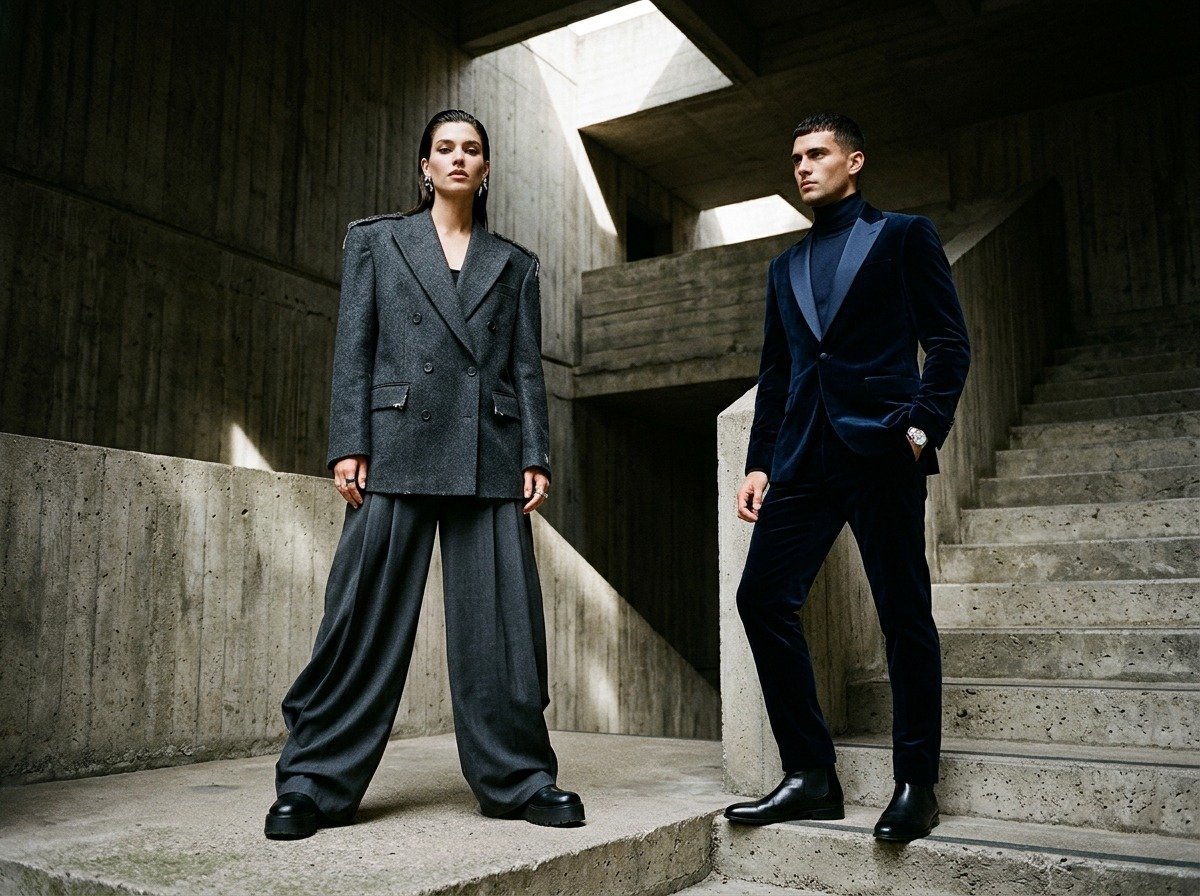
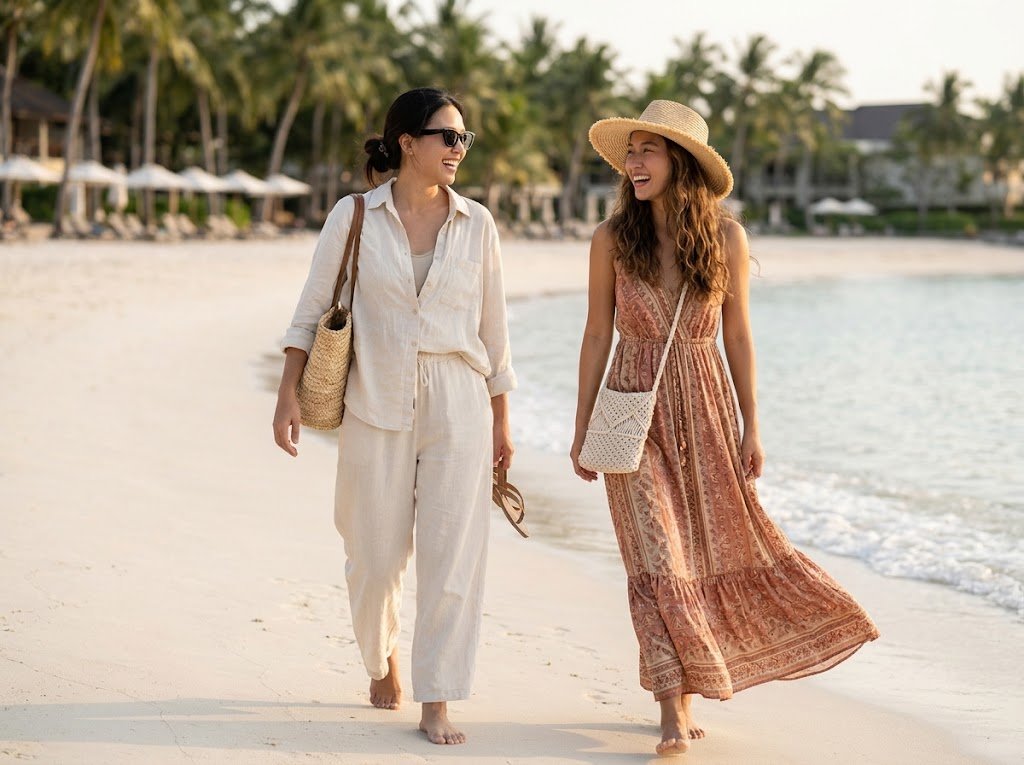
The city of Makassar, renowned not only as the gateway to Eastern Indonesia with its legendary culinary heritage, has now transformed into one of the nation’s most vibrant epicenters for modest fashion. The enthusiasm of young designers and local boutique entrepreneurs in elevating maritime cultural heritage to the national stage proves that tradition and modernity can harmoniously coexist.
Today’s modest fashion scene in Makassar is built upon the courage to explore traditional woven fabrics like Sengkang silk and Lagosi motifs, integrating them into lightweight, functional everyday silhouettes that uphold the values of contemporary Muslimah attire.
The Richness of Nusantara Textiles from the Land of Anging Mammiri
South Sulawesi is blessed with a rich textile art possessing profound philosophical value. Mandar silk, Toraja weaving, and Bugis silk with its iconic checkered patterns (balieko) or legendary Lagosi floral motifs are more than just body coverings; they are historical records of the diligence of female weavers who toiled for months on backstrap looms (ATBM).
While traditionally, silk fabrics were reserved for sacred traditional wedding ceremonies or the reception of esteemed guests, local Muslimah fashion designers have successfully deconstructed these rigid conventions. Wastra fabrics are now cut with modern patterns to create relaxed blazer outerwear, asymmetrically tailored work tunics, and charming vest accents that are comfortable even in the urban heat.
Characteristics of the Modern Bugis-Makassar Woman’s Modest Style
1. The Boldness to Work with Rich, Contrasting Color Palettes?
Culturally, Makassar women possess a high appreciation for bold and assertive colors. The traditional Bodo attire’s characteristic fusion of fuchsia red, emerald green, turmeric yellow, and eggplant purple is now reinterpreted in more subdued tones like terracotta, olive green, and maroon for casual wear.
2. Loose, Comfortable Silhouettes with Defined Structure?
Adapting to the sea breeze and the warm climate of the Makassar Strait coast, local Muslimah fashion prioritizes loose silhouettes that do not cling to the body. Modern abaya designs and tunic sets paired with wide-leg culottes made from natural fibers dominate daily styles, offering ample freedom of movement.
3. Elegant, Minimalist Pleat and Lace Accents?
Subtle details like delicate hand embroidery on sleeve cuffs or subtle pleating on the chest add a quiet touch of luxury without appearing ostentatious. This style reflects the character of resilient urban women who consistently nurture gentleness in their speech and conduct.
Empowering Local Artisans within the Modest Fashion Ecosystem
Supporting local modest fashion brands directly stimulates the economy of traditional fabric artisans in various regions. Close collaboration between modern designers and wastra weavers fosters the sustainability of Nusantara’s textile traditions, ensuring they remain vibrant and globally competitive.
Caring for Traditional Silk to Maintain its Natural Sheen:
Authentic South Sulawesi silk is woven from natural silkworm fibers, which are highly sensitive to synthetic detergent chemicals. Never machine wash or soak silk garments with other clothing. Use traditional soapberry extract or a gentle baby shampoo, dip a few times without wringing, and then air dry in a shaded area. Direct sunlight and excessive ironing temperatures can permanently dull the natural protein sheen of silk. — Salwa Salon Editorial Team
Cultivating Pride in Wearing Local Artisan Products
Supporting the work of local designers and boutique tailors is not merely about following fashion trends; it is a tangible way to preserve the grassroots economic ecosystem and safeguard ancestral heritage from being lost to time. Each ethically woven garment carries the life stories of village artisans, deserving of our respect and pride.
Frequently Asked Questions (FAQ)
Is Sengkang silk suitable for everyday work attire?
Absolutely, especially when incorporated as collar accents, outerwear vests, or hijab scarves paired with clean-cut plain cotton shirts.
How can stiff woven fabrics be made more comfortable to wear?
Opt for woven garments that are lined with a cool, sweat-absorbent cotton hero or rayon lining on the interior.
What hijab colors best complement heavily patterned woven clothing?
Choose plain voal hijabs in neutral colors like cream or black, or select a color that is the most subtle hue within the woven fabric’s pattern.
Where are the best events to witness the development of Makassar’s local fashion?
Annual events such as the Makassar International Eight Festival (F8) and the Dekranasda Sulsel craft exhibition are prime venues where local designers meet fashion enthusiasts.
A Soothing Conclusion
Dressing while embracing local wisdom is the highest form of respect for the cultural roots of one’s homeland. When you wear traditional wastra with pride and modesty, you not only enhance your outward appearance but also infuse your daily life with the warm energy of Nusantara’s heritage.