The appearance of brownish patches or dark spots on the cheeks, nose, and forehead often becomes a source of concern, diminishing many individuals’ self-confidence. Dark spots, or hyperpigmentation, occur when melanocyte cells in the basal layer of the epidermis excessively produce the pigment melanin as a protective response to inflammation or environmental radiation. Facing this issue, many are tempted to try various instant brightening products that risk damaging the skin’s protective barrier.
In reality, safely and sustainably fading dark spots doesn’t require a complex, multi-layered product regimen. Instead, it relies on consistency with three dermatologically proven essential skincare pillars.
Understanding the Mechanism of Dark Spot Formation on the Skin
The most dominant cause of dark spot formation is unprotected exposure to ultraviolet (UV) radiation from the sun. Sunlight stimulates the tyrosinase enzyme to produce dark pigment to shield cell nuclei from DNA damage. When this exposure occurs continuously over years, melanin accumulation settles in specific areas, forming distinct dark spots.
Beyond sun exposure, hormonal changes (such as during pregnancy or while using hormonal contraceptives) and post-inflammatory hyperpigmentation (darkened acne scars) also accelerate the formation of dark marks on the face.
3 Pillars of Essential Skincare Products for Fading Dark Spots
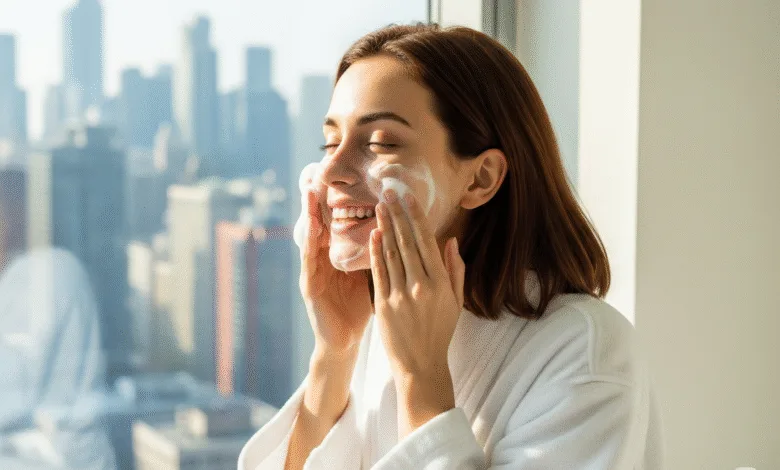
1. Gentle, pH-Balanced Facial Cleanser?
The initial step that should not be overlooked is maintaining pore cleanliness without compromising the skin’s protective barrier. Opt for a gentle facial cleanser with a balanced pH (5.0 to 5.5) that is free from harsh scrub particles and strong detergents (SLS). Clean and calm skin will absorb subsequent brightening active ingredients far more optimally.
2. Broad-Spectrum Sunscreen SPF 30+ / PA++++?
Sunscreen is the most crucial and non-negotiable product in addressing dark spots. Without disciplined sunscreen application, even the most expensive brightening serums will yield no results, as melanin will continue to be produced every time the skin is exposed to the sun. Apply a two-finger-length amount of sunscreen every morning, and reapply every 2 to 3 hours if you spend significant time near windows or outdoors.
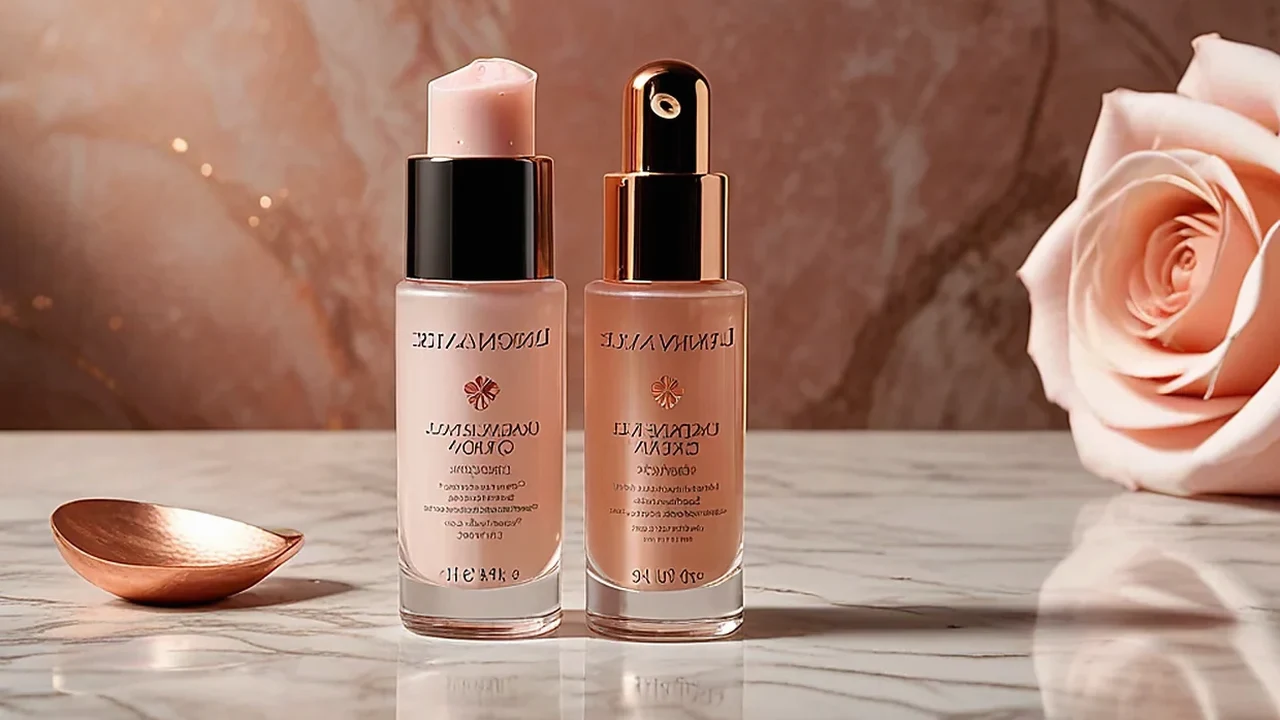
3. Brightening Serums and Creams with Proven Active Ingredients?
To fade melanin pigment that has already settled in the epidermal layer, you need targeted skincare products containing safe, FDA-approved brightening active ingredients:
- Vitamin C (L-Ascorbic Acid / Ethyl Ascorbic Acid): A potent antioxidant that inhibits the tyrosinase enzyme and protects skin cells from free radicals in the morning.
- Niacinamide (Vitamin B3): Works by inhibiting the transfer of melanosomes from pigment-producing cells to skin surface cells, while also strengthening the skin barrier.
- Tranexamic Acid: Highly effective for treating melasma and hormonal dark spots by calming the inflammatory pathways that trigger melanin.
- Alpha Arbutin: A natural derivative of hydroquinone that gently brightens dark spots without the risk of irritation or dependency.
The Importance of Patience with Skin Cell Regeneration Cycles:
Fading dark spots requires time, aligning with the human skin cell turnover cycle, which is approximately 28 to 45 days. Avoid the allure of instant whitening creams that promise to eliminate spots within days without FDA approval, as such products often conceal mercury or steroid content that can cause permanent skin damage (ochronosis). — Salwa Salon Editorial Team
Morning and Evening Skincare Routine Order for Dark Spots
Implement a structured daily routine for maximum results:
- Morning Routine: Cleanse with a gentle cleanser → Hydrating Toner → Vitamin C or Niacinamide Serum → Lightweight Moisturizer → Broad-Spectrum Sunscreen (essential).
- Evening Routine: Double Cleansing (micellar water or cleansing balm followed by facial soap) → Hydrating Toner → Tranexamic Acid or Alpha Arbutin Serum → Rich ceramide moisturizer to lock in hydration overnight.
Frequently Asked Questions About Facial Dark Spots (FAQ)
How long does it take for dark spots on the face to fade with a consistent skincare routine?
With strict sun protection and consistent use of brightening active ingredients, superficial dark spots generally begin to show gradual fading within 8 to 12 weeks.
Is sunscreen still mandatory when indoors?
Yes, it remains mandatory. UVA rays from the sun can penetrate window glass at home and in vehicles, and can trigger melanin production even when the weather appears overcast.
Can long-standing dark spots be completely eliminated with skincare alone?
Topical skincare is highly effective at fading spots in the upper epidermal layers, making them appear lighter and more even with the natural skin tone. For deep-seated spots in the dermal layer (like chronic melasma), a combination of skincare with clinical treatments such as chemical peels or laser therapy under the supervision of a dermatologist may be necessary.