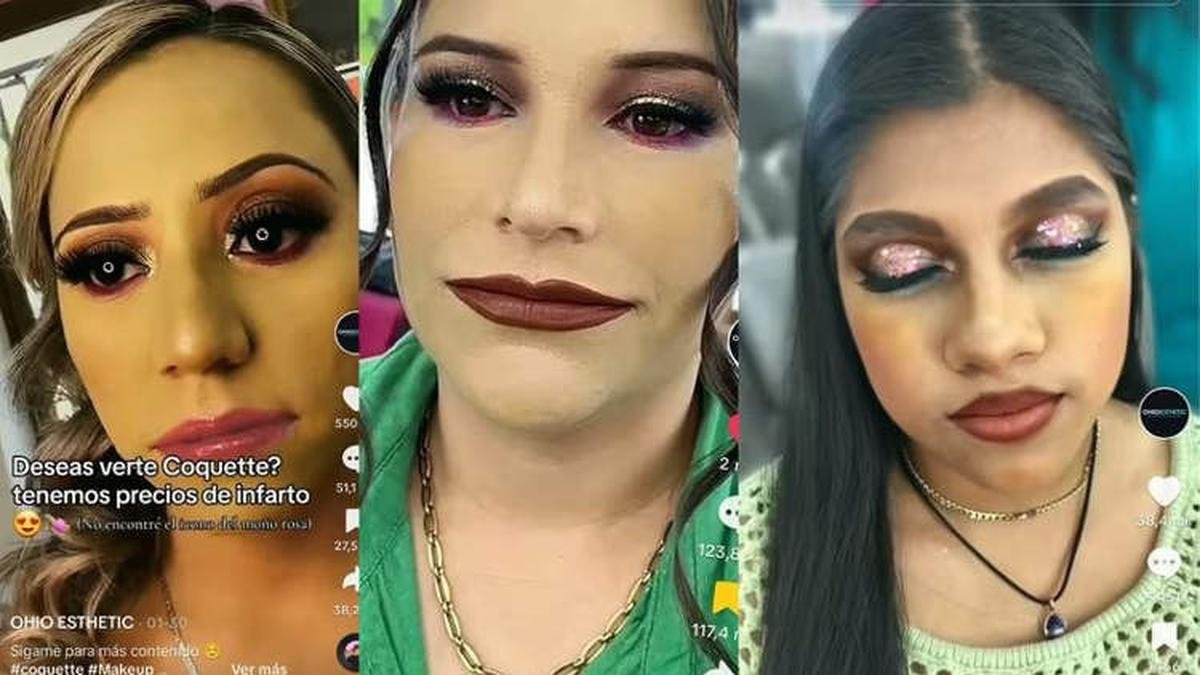
Hello, Salwa Besties! While our daily routines often call for functional and understated natural makeup styles, the professional makeup world holds another captivating dimension: the art of editorial and character makeup. In the hands of visionary makeup artists, the human face transforms into a boundless stage of expression, a fusion of physical anatomy, bold color pigments, textural manipulation, and dramatic visual narrative.
- 4.1 Are cosmetic products for editorial makeup different from everyday makeup?
- 4.2 How can I safely wear makeup glitter without harming my eyes?
- 4.3 How do I prevent graphic eyeliner from breaking or creasing on the eyelid?
- 4.4 When is the ideal time for a deep cleansing facial after wearing heavy makeup?
Editorial makeup, gracing the covers of fashion magazines and international runways, goes beyond merely concealing facial imperfections. It’s a form of pure fine art that challenges conventional aesthetic boundaries. Mastering fundamental editorial makeup techniques opens new horizons for beauty enthusiasts to explore cosmetic creativity with boldness and precision.
Exploring Key Techniques in Editorial Makeup Artistry
Artistic makeup demands mastery of steady hand control, a deep understanding of color theory, and the skillful use of multi-functional cosmetic products:
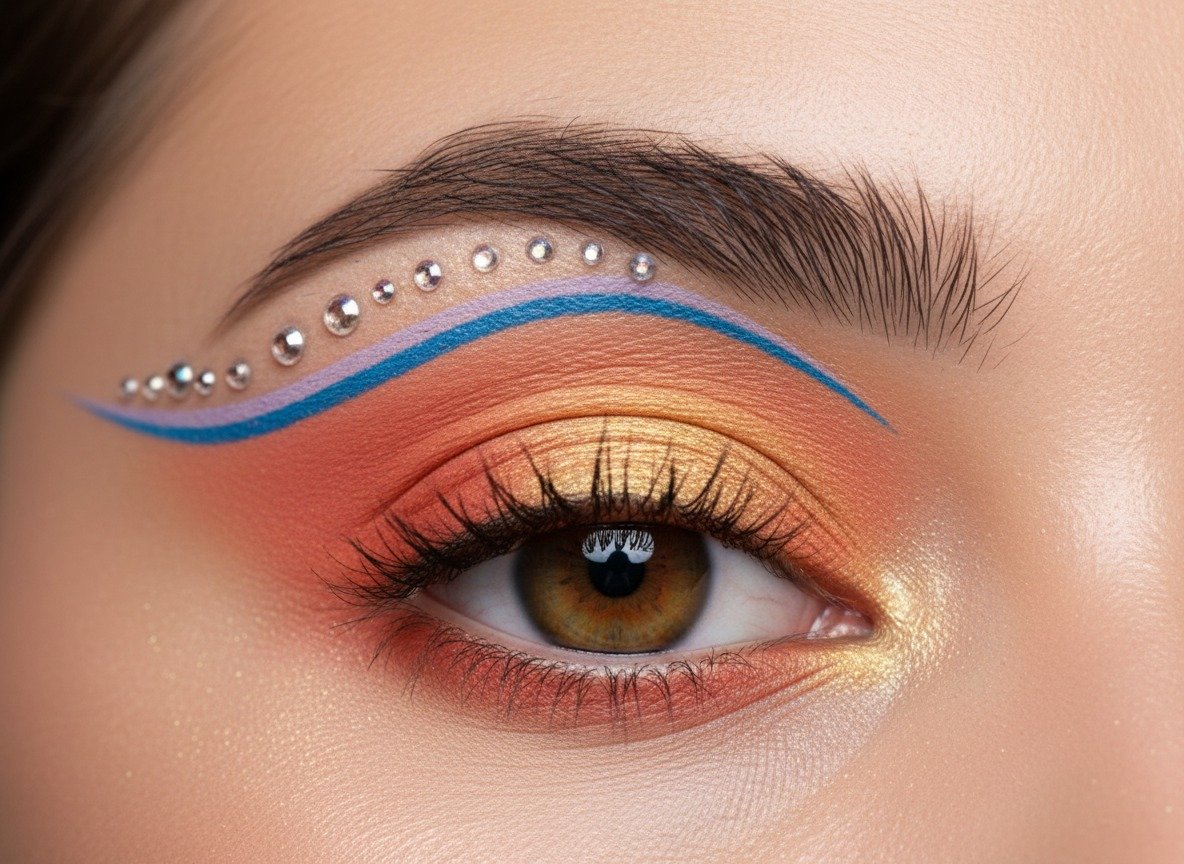
- Precision Graphic Lines and Abstract Geometry (Graphic Liners): Utilize micro-fine 00 detail brushes and water-activated cake liners. Sharp, defined lines framing the eye crease or floating beneath the brow bone create a striking architectural illusion for the camera lens.
- Textural Contrast Play: Glass Skin vs. Ultra Matte: Blend extreme wet-look shine (vinyl high-shine) on eyelids or cheekbones with intensely powdery velvet matte lip formulations. This interplay of light reflection adds dynamic visual dimension to high-resolution studio photography.
- Three-Dimensional Embellishment Application (Face Embellishments): Adhere micro-Swarovski crystals, miniature imitation pearls, dried flower petals, or gold foil along the temples. The use of dermatologically approved medical-grade adhesives ensures ornamental elements adhere securely without irritating the model’s skin.
The Burden of Heavy Cosmetic Pigments and Epidermal Barrier Integrity:
“Editorial cosmetic products often contain high concentrations of pure iron oxides, potent lac dyes, and synthetic cosmetic adhesives that can tax the skin’s physiology. If the skin canvas isn’t prepped with optimal barrier hydration, these dense pigments can infiltrate microscopic pore crevices, triggering irritant contact dermatitis and post-shoot erythema. At Salwa Salon, our skin prep protocol before heavy makeup always involves multi-layer hyaluronic acid hydration and a light emollient seal. For cleansing, we mandate a high-emulsifying cleansing oil followed by a soothing centella asiatica mask to re-stabilize the skin’s acidic mantle pH.” — Fatmawati Tahir
Skin Preparation (Skin Prep) Before Heavy Cosmetic Application
The secret to flawless, crack-free artistic makeup lies in the underlying skin canvas’s moisture balance:
- Gentle Enzymatic Exfoliation: Employ pumpkin or papaya enzyme-based exfoliators to slough off dead skin cells without inducing mechanical redness. Smooth, even skin ensures perfect adherence of foundation and color pigments.
- Application of Lightweight Hydration Serum: Apply a few drops of a fast-absorbing hydration serum. Avoid heavy, occlusive oil-based moisturizers before makeup application, as excess oil can dissolve graphic liner pigments, causing them to bleed and smudge.
- Oil-Controlling Primer on Strategic Points: Apply a mattifying primer only to the eyelid creases and sides of the nostrils to prevent the skin’s natural oils from compromising the precision of your artistic makeup lines.
Thorough Cleansing and Skin Barrier Restoration Protocol
After a photoshoot or special event, remove heavy makeup with utmost care. Avoid aggressively rubbing the face with makeup wipes, as the physical friction can compromise the skin barrier. Use a quality cleansing oil or balm, gently massage with fingertips until all adhesive and color pigments are fully dissolved, then rinse with lukewarm water. Finish by washing your face with a pH-balanced cleanser and apply a cool, hydrating mask to allow the skin to rest overnight.
Frequently Asked Questions About Editorial and Character Makeup Artistry (FAQ)
Are cosmetic products for editorial makeup different from everyday makeup?
Most base products like foundation and powder are the same, but for editorial makeup, artists typically supplement with specialized professional products such as multi-functional waterproof greasepaint palettes, brush-activated water-activated pigments, and cosmetic skin adhesives made from medical-grade latex.
How can I safely wear makeup glitter without harming my eyes?
Only use officially cosmetic-grade glitter products made from soft, blunt-ended polyester plastic or biodegradable plant cellulose. Never use regular craft or paper glitter, as their sharp plastic edges can risk corneal abrasions.
How do I prevent graphic eyeliner from breaking or creasing on the eyelid?
Set the eyelid area with a matte eye primer and translucent setting powder before drawing the line. Use a waterproof sealant mixing medium when mixing brushes with powdered pigments.
When is the ideal time for a deep cleansing facial after wearing heavy makeup?
Schedule a deep cleansing facial at a professional beauty salon 2 to 3 days after the photoshoot event. This waiting period allows the skin to calm its natural sensitivity before micro-comedones are thoroughly extracted.



Tinggalkan Balasan