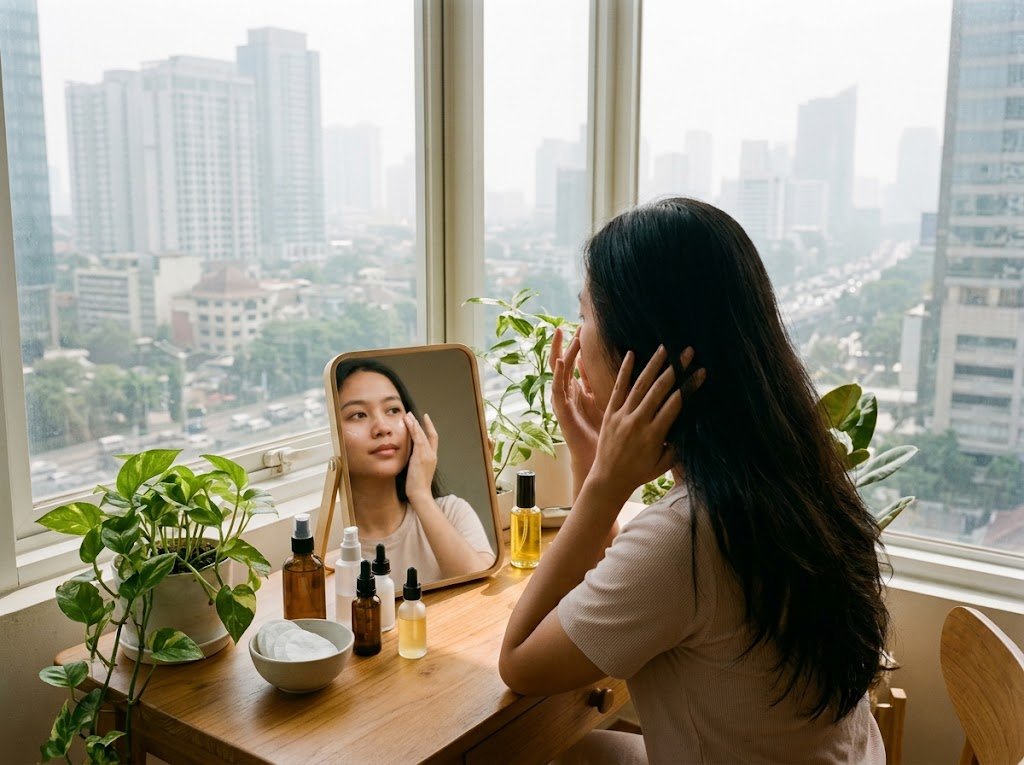
Dealing with acne breakouts can be a physically and mentally draining experience. The stinging sensation of inflammation, the prominent redness, and the lingering dark spots often trigger an urge to aggressively try various harsh products: repeatedly washing the face with coarse scrubs, applying high-dose alcohol, or squeezing pimples in hopes of quick clearance. Unfortunately, such overly aggressive approaches almost invariably lead to damage of the skin barrier, which exacerbates bacterial infections.
- 2.1 1. Cleanse Your Face Twice Daily with a pH-Balanced Cleanser
- 2.2 2. Utilize Gentle Chemical Exfoliants Like Salicylic Acid (BHA)
- 2.3 3. Never Skip a Lightweight, Gel-Based Moisturizer
- 2.4 4. Protect Your Skin with a Non-Comedogenic Sunscreen Every Morning
- 2.5 5. Use Targeted Acne Spot Treatments
- 2.6 6. Stop the Habit of Touching and Picking at Pimples
- 2.7 7. Maintain the Cleanliness of Items in Direct Contact with Your Face
Acne is an inflammatory condition of the pilosebaceous follicle that requires gentle, rational, and consistent management through seven dermatologically proven daily skincare routines.
Understanding the Four Triggers of Acne Formation
Medically, acne develops from a cascade of four interconnected events within the skin’s pores:
- Excess Sebum Production (Hyperseborrhea): Sebaceous glands produce an excessive amount of thick sebum, typically triggered by fluctuations in androgen hormones or metabolic stress.
- Dead Skin Cell Accumulation (Hyperkeratinization): Stratum corneum cells fail to shed normally, instead clumping together to form comedones within the pore opening.
- Bacterial Proliferation: Clogged pores create an anaerobic (oxygen-deprived) environment highly conducive to the rapid proliferation of Cutibacterium acnes (formerly known as P. acnes).
- Immune Inflammatory Response: The body’s immune system deploys white blood cells to combat bacteria, triggering swelling, pustules, and painful redness on the skin.
7 Effective and Safe Acne Skincare Routines
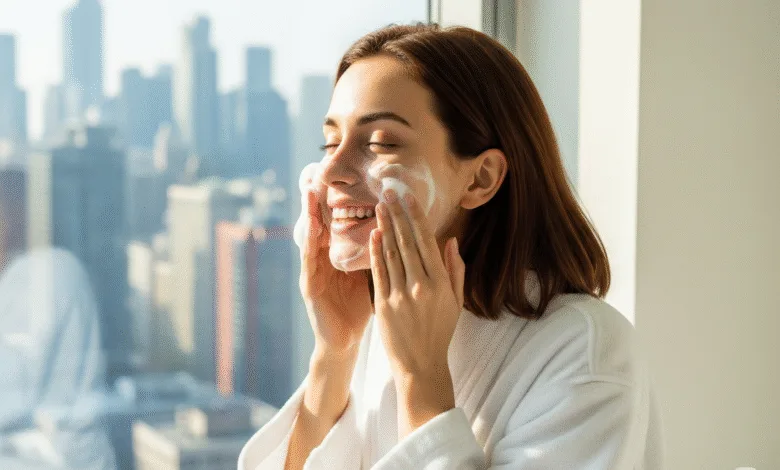
1. Cleanse Your Face Twice Daily with a pH-Balanced Cleanser
Use a gentle gel-textured facial cleanser with a pH between 5.0 and 5.5, free from harsh scrub particles and Sodium Lauryl Sulfate (SLS) detergents. Gently cleanse your face in circular motions with your fingertips for 60 seconds in the morning and evening to remove oil without stripping the skin barrier.
2. Utilize Gentle Chemical Exfoliants Like Salicylic Acid (BHA)
Salicylic acid is an oil-soluble active ingredient with the unique ability to penetrate pores and dissolve sebum plugs and dead skin cells from within. Apply a BHA toner or serum with a 1-2% concentration 2-3 times per week to prevent new comedone formation.
3. Never Skip a Lightweight, Gel-Based Moisturizer
Many individuals with acne-prone skin avoid moisturizers for fear of increasing oiliness. This is a critical misconception. Dehydrated acne-prone skin will produce more reactive oil. Opt for water-based, gel-textured moisturizers enriched with ceramides, hyaluronic acid, or centella asiatica to soothe inflammation.
4. Protect Your Skin with a Non-Comedogenic Sunscreen Every Morning
Ultraviolet (UV) radiation from the sun can oxidize skin sebum, exacerbate acne inflammation, and lead to persistent post-inflammatory hyperpigmentation (PIH). Apply a lightweight, non-comedogenic sunscreen every morning for optimal protection.
5. Use Targeted Acne Spot Treatments
For actively inflamed, painful pimples, apply spot treatments containing proven antibacterial ingredients such as Benzoyl Peroxide, Sulfur, or Azelaic Acid only to the active blemish. These ingredients help suppress bacterial populations and reduce pustules without over-drying the entire facial area.
6. Stop the Habit of Touching and Picking at Pimples
Our hands carry millions of foreign bacteria at any given moment. Picking at pimples with fingernails can rupture the follicle wall beneath the skin, driving infection deeper into the dermal layers, and leaving behind permanent, difficult-to-treat acne scars.
7. Maintain the Cleanliness of Items in Direct Contact with Your Face
Change your pillowcases at least once a week, as pillowcases absorb hair oils and dust nightly. Regularly clean your phone screen with disinfectant wipes to prevent dirt transfer to your cheeks during calls.
Maintaining Skin Barrier Integrity While Treating Acne:
The primary key to healing acne-prone skin lies not in how many harsh treatments you apply, but in how robust your skin barrier is at resisting irritation. If your skin begins to sting upon cleansing, develops widespread redness, or experiences severe peeling, immediately discontinue exfoliating active ingredients for a few days and focus on soothing hydration. A calm skin with an intact barrier will combat acne bacteria far more effectively. — Salwa Salon Editorial Team
Frequently Asked Questions About Acne Skincare (FAQ)
How long does it take to see results from acne treatment?
The skin cell turnover cycle takes approximately 28 days. Improvements in acne inflammation are generally noticeable after 4 to 8 weeks of regular and consistent treatment.
Can sugary foods and cow’s milk worsen acne?
Yes, foods with a high glycemic index (sugary and refined carbohydrate foods) and dairy products can trigger surges in insulin and IGF-1 hormones, which stimulate the sebaceous glands to produce excess sebum.
Is it permissible to wear makeup when experiencing severe acne?
It is advisable to limit the use of heavy foundations. If you must wear makeup, opt for non-comedogenic labeled products and ensure thorough facial cleansing with a gentle double cleansing technique before bed.
When is the right time to consult a dermatologist?
If your acne presents as large, painful subcutaneous nodules, or if it does not improve after 8 weeks of basic treatment, seek immediate consultation with a dermatologist for appropriate medical therapy.