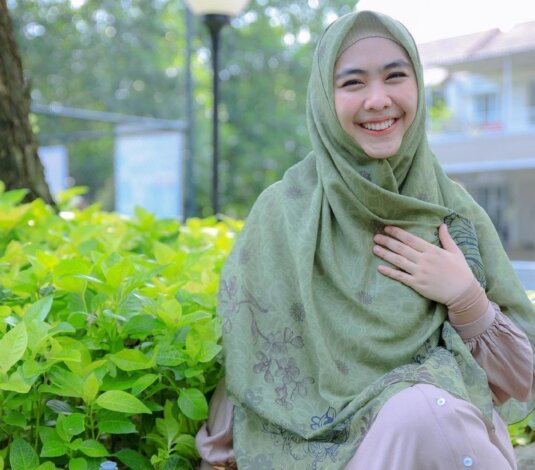
In today’s era of digital openness and modern cultural fusion, modest Muslim women’s attire (hijab, khimar, and niqab) is frequently reduced to mere fashion trends, sometimes even misused as disguises or sensational gimmicks in public spaces. Such controversial incidents often spark social unrest and wound the sanctity of religious symbols held dear by millions of Muslim women.
This situation calls for a profound re-evaluation of the true principles of hijab modesty. The hijab, in essence, is not merely a piece of fabric to complement a head covering style, but rather a manifestation of adherence to Sharia, a bastion of personal honor, and a reflection of inner modesty that fosters tranquility in daily social interactions.
Sharia Foundation: Covering the ‘Aurat’ as an Act of Submission
In Islamic teachings, the obligation for Muslim women to wear the hijab is not an Arab cultural tradition but a divine decree imbued with wisdom for protection and the elevation of women’s status. The hijab is intended to dignify women, ensuring they are valued for their faith, intellect, and noble character, rather than being treated solely as objects of physical gaze.
Therefore, Sharia law establishes very clear boundaries regarding the natural order of creation: men are forbidden from imitating women in dress and appearance (tasyabbuh), and vice versa. The hijab and niqab hold a sacred honor that must not be degraded into a subject of jest, identity camouflage, or entertainment commodity that violates propriety.
3 Pillars of Modesty in Wearing the Hijab
1. Sincerity of Intention and Understanding of Meaning?
Wearing the hijab begins with a sincere intention in the heart to worship and be grateful for the innate gift of goodness. When the hijab is worn with spiritual awareness, a woman will not feel burdened by others’ opinions and will not be easily tempted to discard or trifle with her hijab for fleeting popularity.
2. Adherence to the Criteria of Modest Sharia-Compliant Attire?
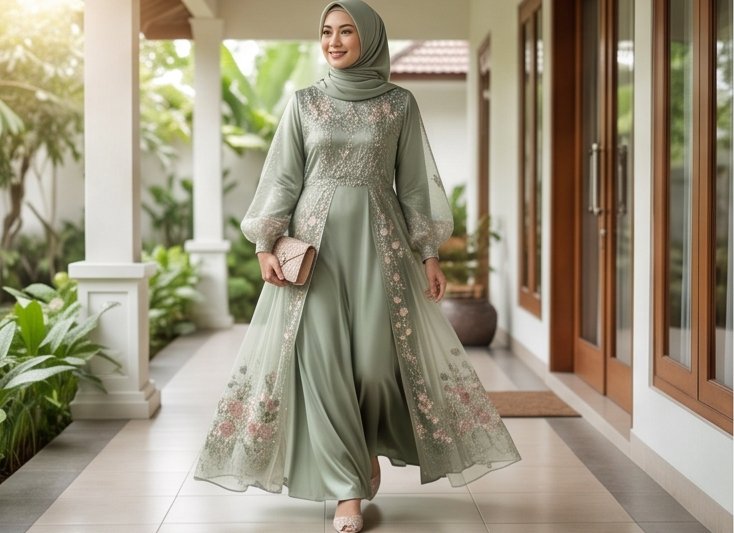
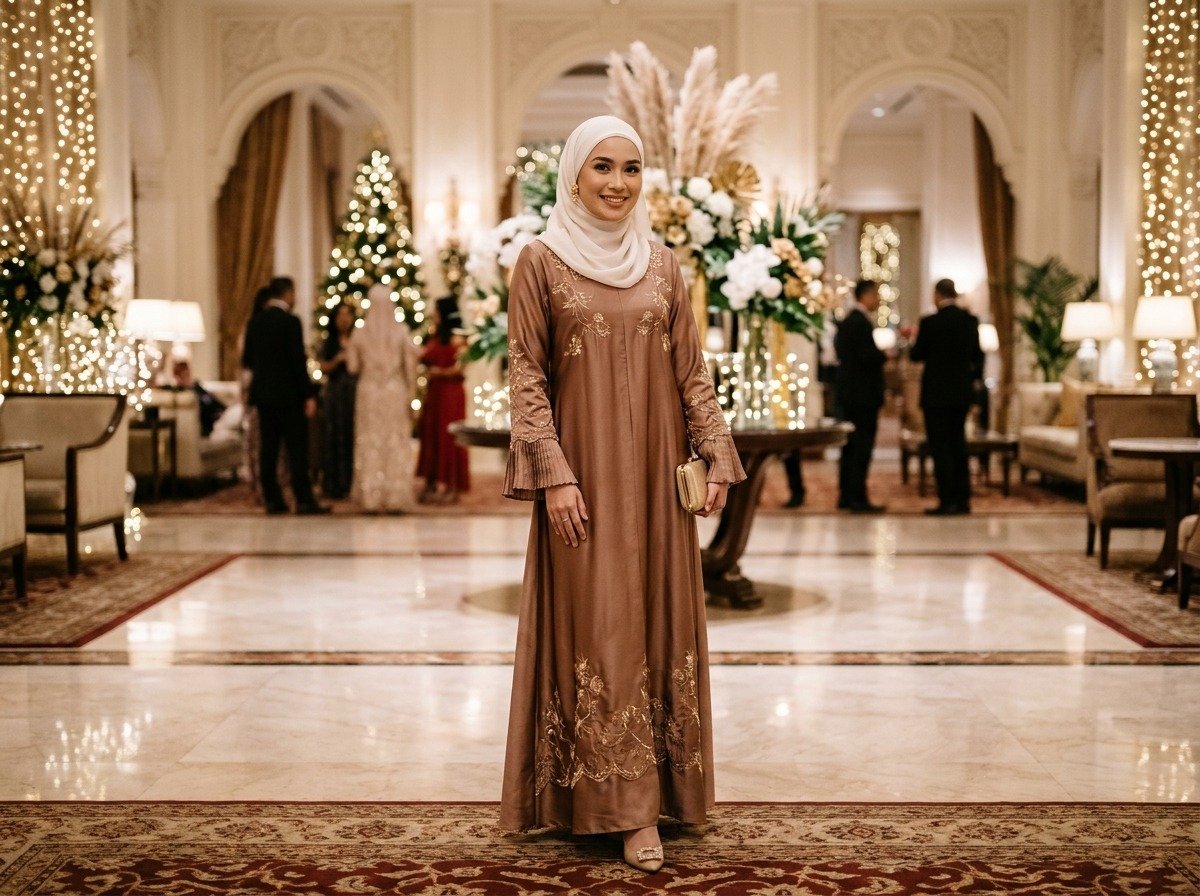
Modest Muslim attire meets universal basic criteria: it perfectly covers the entire ‘aurat’ (parts of the body that must be concealed), has a loose silhouette that does not reveal the body’s contours, is made of sufficiently thick fabric that is not sheer when exposed to light, and does not display excessive luxury that incites arrogance (tabarruj).
3. Alignment Between Outer Garments and Inner Morals?
The true beauty of the hijab is achieved when the headscarf is accompanied by gentle speech, polite social conduct, honesty in actions, and sensitivity in respecting others’ privacy. The hijab serves as a self-reminder for the wearer to constantly refrain from futile actions.
A Muslimah’s Private, Comfortable, and Protected Space:
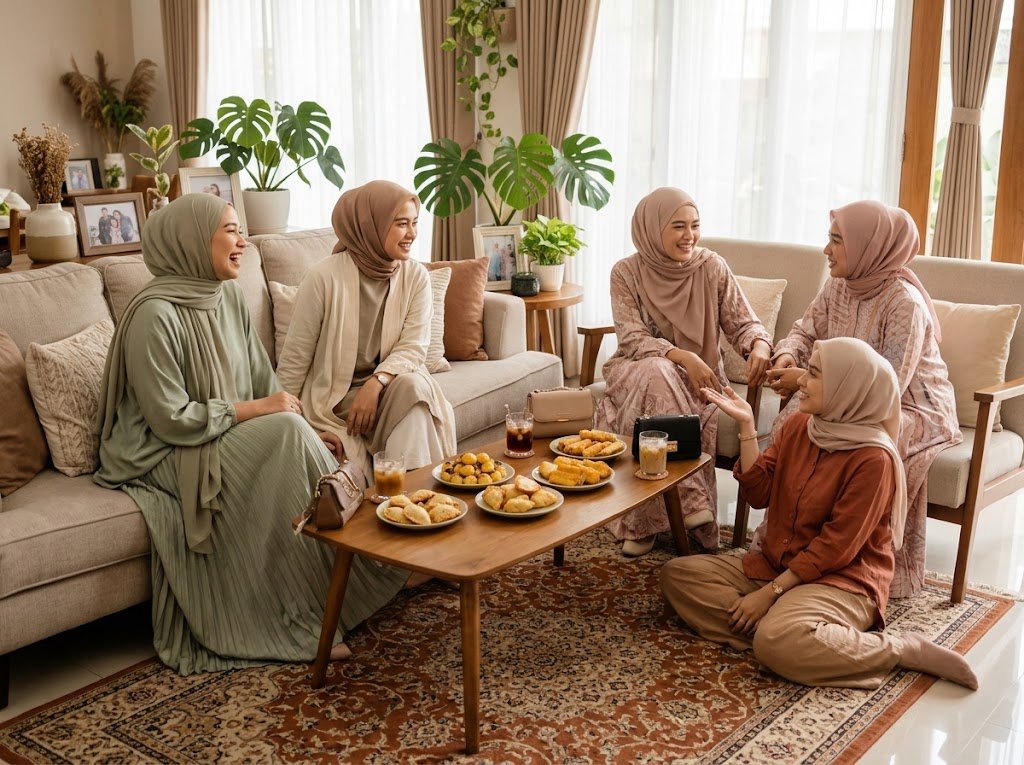
At Salwa Salon, we deeply understand the preciousness of a Muslimah’s honor and the comfort of her ‘aurat’. Therefore, we present an exclusive concept of a private Muslimah beauty salon, completely shielded from public view, and exclusively served by trustworthy, professional female therapists. In this protected environment, every Muslimah can comfortably and peacefully remove her hijab, enjoying the relaxation of hair treatments as an expression of gratitude for her personal beauty. — Salwa Salon Editorial Team
Facing Modern Challenges with Steadfastness
Amidst the temptations of permissive modern social interactions, maintaining the values of hijab modesty demands fortitude of heart and a supportive social environment that reinforces goodness. Avoiding sensational content that demeans religious symbols and choosing friends who remind each other of modesty are wise steps to preserve the purity of the heart.
This steadfastness is also reflected in how we wisely and proportionally respond to modern fashion dynamics. Presenting oneself elegantly and neatly is encouraged in social life; however, simplicity remains the primary anchor so that the attire we wear consistently brings inner peace, rather than burdening ourselves with an endless race of lifestyles.
Frequently Asked Questions (FAQ)
Must Hijab Attire Always Be Black?
Not necessarily black; any color—including cream, earth tones, deep blues, moss greens, and grays—can be worn as long as it is not overly conspicuous and meets the criteria of Sharia modesty.
How Should a Niqab or Face Veil Be Cared for to Keep It Clean and Cool?
Choose breathable fabrics like Arabian silk chiffon or soft ceruti cotton. Wash periodically with a liquid soap free of strong fragrances, and iron on a medium setting.
Does Wearing a Hijab Limit Women’s Career Creativity?
Absolutely not; thousands of hijab-wearing Muslim women today demonstrate their achievements as world-class scientists, doctors, entrepreneurs, and educators while maintaining their modest attire.
What Is the Best Way to Address the Phenomenon of Hijab Symbol Harassment on Social Media?
Offer polite advice proportionally according to legal and ethical guidelines. Avoid abusive language in comment sections, and focus on strengthening the understanding of modesty values within our families.
A Calming Conclusion
Covering the ‘aurat’ with a hijab is a journey of love from a servant to their Creator. By sincerely upholding modest attire and noble character, every Muslimah radiates a tranquil, dignified, and universally soothing elegance in life.