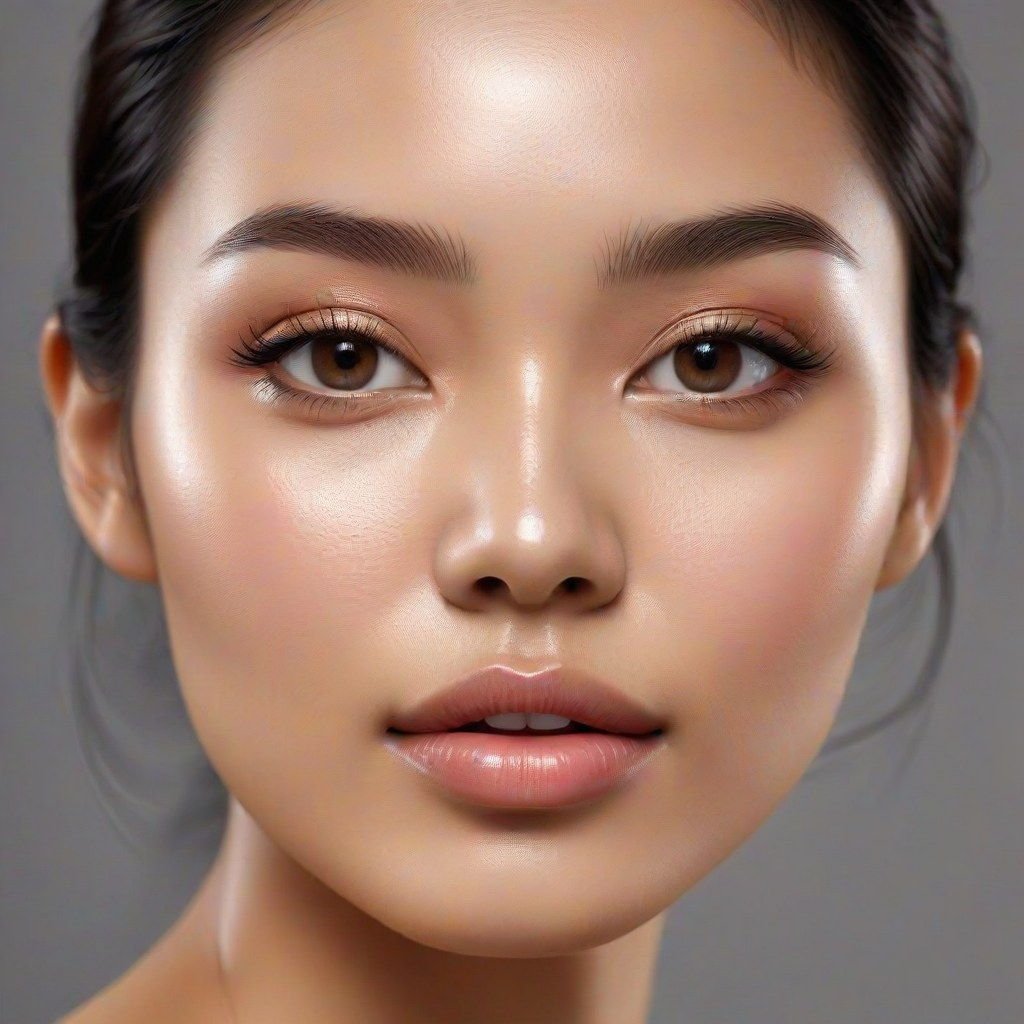
Most individuals have a preferred sleeping position, whether it’s side sleeping, stomach sleeping, or back sleeping. While these positions may offer comfort, certain sleeping postures can inadvertently accelerate facial aging.
Quality sleep is consistently linked to skin health, but what if your chosen sleeping position is actually detrimental? Your sleep posture can significantly impact your skin’s well-being, potentially leading to issues like acne and premature wrinkles.
Indications of suboptimal sleep positioning may include facial puffiness, breakouts, and asymmetrical skin texture on one side of your face. Therefore, understanding the effects of your sleep posture on your complexion and taking corrective measures is paramount.
The Importance of Choosing the Right Sleep Position:
While sleep is universally recognized for its restorative benefits for the skin, maintaining a specific position for several hours each night can pose risks to your facial complexion. According to Dr. Konstantin Vasyukevich, a cosmetic physician and facial plastic surgeon, the horizontal body position during sleep can cause fluid redistribution towards the upper body, leading to noticeable facial swelling, particularly in the morning.
The long-term consequences of persistent fluid retention can have a profound impact on skin health. Here are three sleep positions that can accelerate the skin’s aging process:
Side Sleeping Position
According to Real Simple, sleeping on your side can contribute to the formation of wrinkles on the side of your face where you lie. Sleep-induced aging can be exacerbated by side sleeping, which creates friction between your skin and the pillow. While this may seem insignificant on a nightly basis, this sleeping posture can contribute to premature skin aging.
Furthermore, your carefully applied skincare products may transfer to your pillowcase and fail to be fully absorbed by your skin. To mitigate accelerated skin aging and excessive friction with your pillowcase, it is advisable to minimize the negative effects of this sleep position.
Stomach Sleeping Position
This sleeping position can obstruct hair follicles as your entire face is pressed into the pillow, leading to clogged pores, acne, and the development of fine lines. This pressure can also contribute to puffy eyes and the formation of under-eye bags.
The continuous pressure on your facial structure against the pillow for eight hours of sleep can lead to wrinkles and a flattened facial appearance. Consequently, it is best to avoid stomach sleeping to prevent adverse effects on your skin.
Back Sleeping Position
As reported by the Times of India, back sleeping has consistently been regarded as one of the optimal ways to sleep. This position maintains a 20-30 degree angle that facilitates better fluid drainage throughout the body.
Sleeping on your back can reduce fine lines, preserve facial contours, and promote a more youthful and refined skin appearance. Compared to side or stomach sleeping, this position prevents fluid accumulation around the eyes, which can cause puffiness.
Additionally, your face does not come into direct contact with your pillowcase, thereby avoiding the transfer of oils and impurities that can lead to skin irritation or breakouts.
Conclusion
Understanding the impact of your sleep position on your skin’s health can empower you to make more informed choices.
Selecting the appropriate sleep posture can yield long-term benefits for your skin’s vitality and help decelerate the aging process.
We hope this information proves beneficial to all. Continue to prioritize your skin health and sleep soundly in the optimal position!



Tinggalkan Balasan