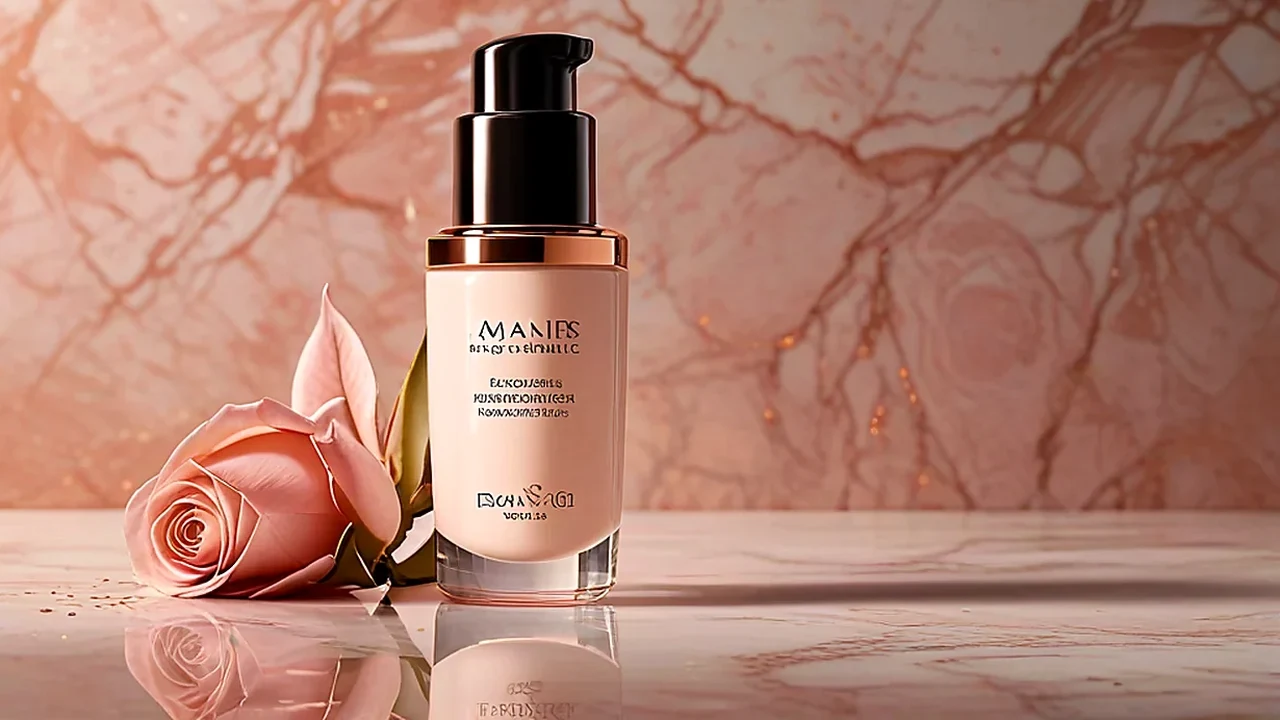
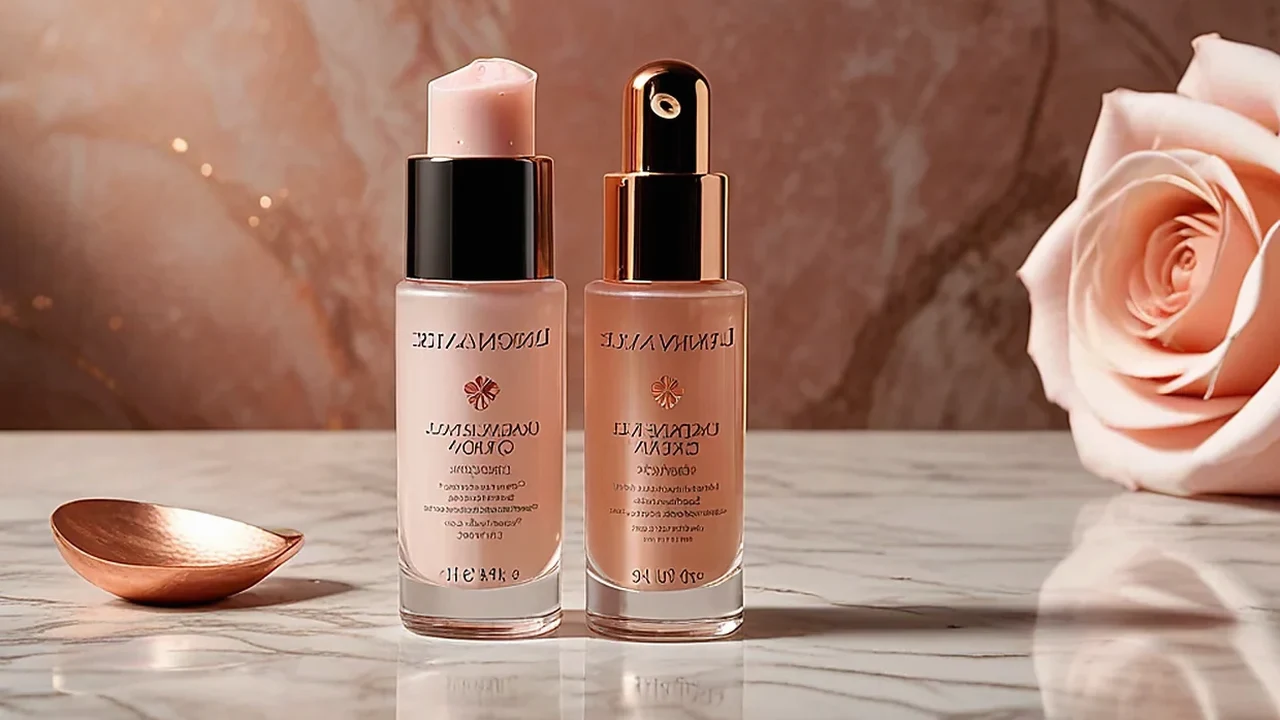
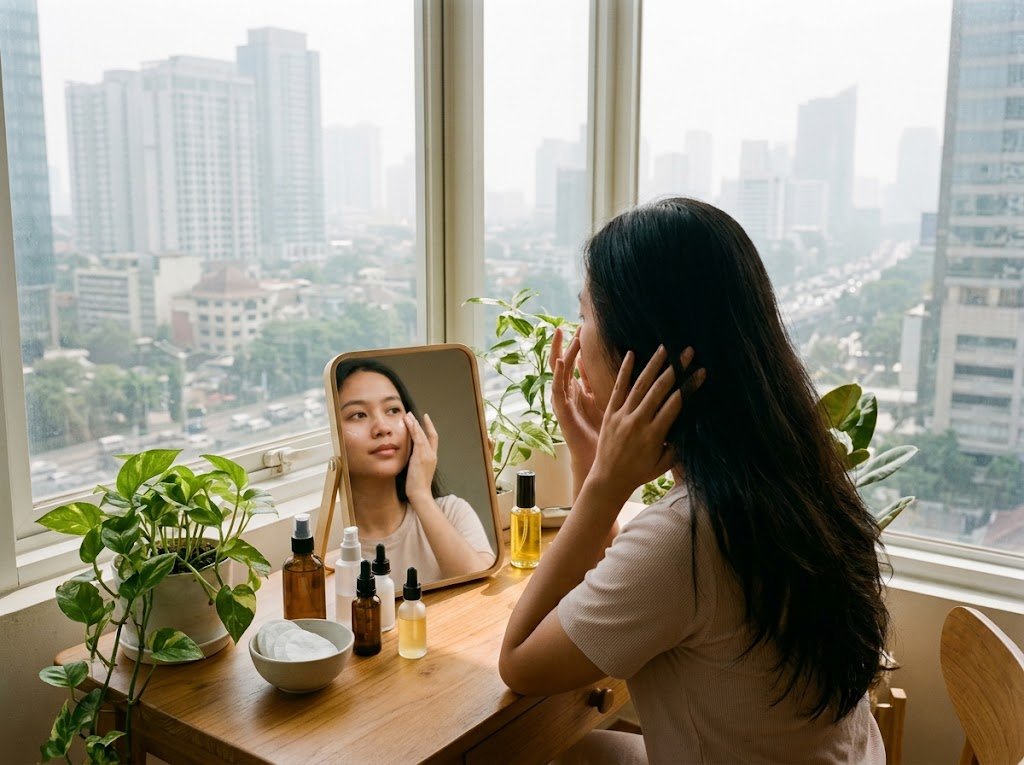
When selecting skincare products from beauty retailers or online platforms, most consumers’ attention often fixates solely on the active ingredient list, marketing claims, or the aesthetic appeal of the product’s visual design. A beautifully crafted cosmetic container, perhaps encased in clear glass, is frequently perceived as a mark of luxury, appealing to our vanity and vanity shelf aesthetics.
However, within the realm of modern cosmetic formulation science, packaging design transcends mere decorative embellishment. It functions as a critical biological and chemical protection system, determining whether the high-value active ingredients within remain stable and efficacious, or degrade into oxidized, potentially harmful compounds before they even reach your skin’s surface.
The Primary Adversaries of Active Ingredients: Oxygen, Light, and Environmental Temperature
The most potent active ingredients in dermatology—such as pure Vitamin C (L-ascorbic acid), retinol, peptides, and botanical antioxidant compounds—possess inherently unstable chemical properties, making them highly susceptible to degradation.
Exposure to atmospheric oxygen triggers oxidation reactions that transform Vitamin C molecules into dehydroascorbic acid, evidenced by a serum’s color shift from clear to a yellowish-brown hue, signifying a loss of efficacy. Concurrently, visible light spectrum radiation and ultraviolet rays can cleave the molecular bonds of retinol, rendering it inactive. Elevated ambient temperatures also accelerate the rate of chemical bond degradation within the formula.
The Advantages of Airless Pump Packaging
One of the most significant innovations in modern cosmetic packaging is airless pump technology. Unlike conventional pump bottles that rely on a dip tube, which introduces external air with each dispense, the airless pump system operates via an internal vacuum piston mechanism at the base of the container.
Each time the nozzle is depressed, the piston at the bottle’s base ascends, expelling the product without allowing any external air to enter the vessel. This hermetically sealed system ensures the formula remains sterile and protected from oxidation from the first use to the last drop, enabling manufacturers to minimize the inclusion of harsh synthetic preservatives.
Why Dark Glass Bottles Outperform Clear Glass
For products utilizing dropper pipettes, the choice of bottle glass color plays a pivotal role. Plain transparent glass bottles, which showcase the aesthetic beauty of the serum’s color, are, in fact, the greatest adversaries to light-sensitive active ingredients.
Cosmetic manufacturers committed to clinical efficacy consistently opt for dark-tinted glass bottles, such as amber (dark brown), deep cobalt blue, or frosted opaque glass. These dark hues act as optical filters, effectively blocking ultraviolet and blue light wavelengths from penetrating the liquid, thereby preserving the stability of the internal antioxidant molecules for extended periods.
The Perils of Open Jar Containers and Hand-Finger Bacterial Contamination
Moisturizing creams packaged in wide-mouthed round jars with conventional screw-on lids necessitate users dipping their fingertips into the product each time they dispense it. This practice is a primary pathway for microbiological cross-contamination.
Even if our hands appear clean, the surface of our fingers harbors thousands of micro-bacterial and fungal colonies. Immersing fingers into a wet cream transfers these microorganisms into the formula, leading to product degradation and posing a risk of triggering acne breakouts when the cream is applied to the face. Employing a clean, regularly sanitized cosmetic spatula or opting for a squeeze-tube packaging represents a far more hygienic preventative measure.
Questions Regarding Skincare Product Packaging
How can I tell if my at-home Vitamin C serum has oxidized and degraded?
If the serum’s color has shifted from clear or very pale yellow to a deep yellow, intense orange, or brownish hue, and its aroma has become sharply acidic, the serum has oxidized and should no longer be used.
Is storing skincare in a dedicated skincare fridge truly beneficial?
It is beneficial for products containing unstable active ingredients like pure Vitamin C and retinol without preservatives, as it slows down thermal degradation. Additionally, it provides a cooling sensation that can be soothing to the skin upon application.
Why are retinol-based products almost never packaged in clear glass bottles?
Because retinol molecules are highly photolabile (extremely susceptible to light-induced degradation), they must be packaged in airtight aluminum containers, protective-lined tubes, or completely opaque pump bottles.
Are plastic containers always inferior to glass?
Not necessarily. High-quality medical-grade plastics like polypropylene (PP) or HDPE with UV-blocker coatings are highly airtight, shatter-resistant, and possess a lower carbon footprint for shipping compared to heavy glass.
Salwa Salon Editorial Note: True beauty intelligence begins with a meticulous understanding of how a product is engineered to serve our bodies. Superior packaging is a testament to a manufacturer’s commitment to upholding the integrity of quality and consumer safety. Choose products with containers that hygienically protect their precious formulations, store them in cool, shaded environments, and savor the optimal benefits from every drop of your treatment.
Understanding the critical role of cosmetic packaging design empowers you to become a more discerning and informed consumer in your pursuit of healthy skin. By prioritizing airtight packaging, light-protective dark bottles, and hygienic application practices, you ensure that every active ingredient functions optimally, revealing your skin’s natural, healthy radiance.