Hello, Salwa’s Besties! The appearance of white dandruff flakes on hair strands and dark clothing, accompanied by an unbearable itchy scalp, often erodes self-confidence during social interactions. Many people assume dandruff is solely caused by infrequent shampooing, but the triggers are far more complex.
Severe dandruff is generally linked to scalp microbiome imbalance, the proliferation of the natural fungus *Malassezia*, and seborrheic dermatitis. Let’s delve into the root causes and discover comprehensive solutions!
Primary Causes of Stubborn Severe Dandruff and Itch
1. Overgrowth of the *Malassezia* Fungus?
This naturally occurring microorganism feeds on scalp sebum. When it breaks down oil, the fungus produces oleic acid, which can trigger irritation and rapid shedding of dead skin cells in sensitive individuals.
2. Excessive Sebum Production Clogging Pores?
An overly oily scalp creates a fertile environment for bacteria and fungi to proliferate, leading to clumpy, yellowish, wet dandruff.
3. Sensitive Reaction to Hair Styling Products (Contact Dermatitis)?
The use of incompatible pomades, hairsprays, or hair dyes can trigger allergic reactions, causing redness and scalp flaking that mimics dandruff.
4. Prolonged Stress and Unbalanced Diet?
High stress levels compromise the body’s immune system, triggering systemic inflammation and exacerbating itchy dandruff flare-ups.
Comprehensive Solutions for Dandruff Issues
1. Use Proven Antifungal Active Ingredient Shampoos?
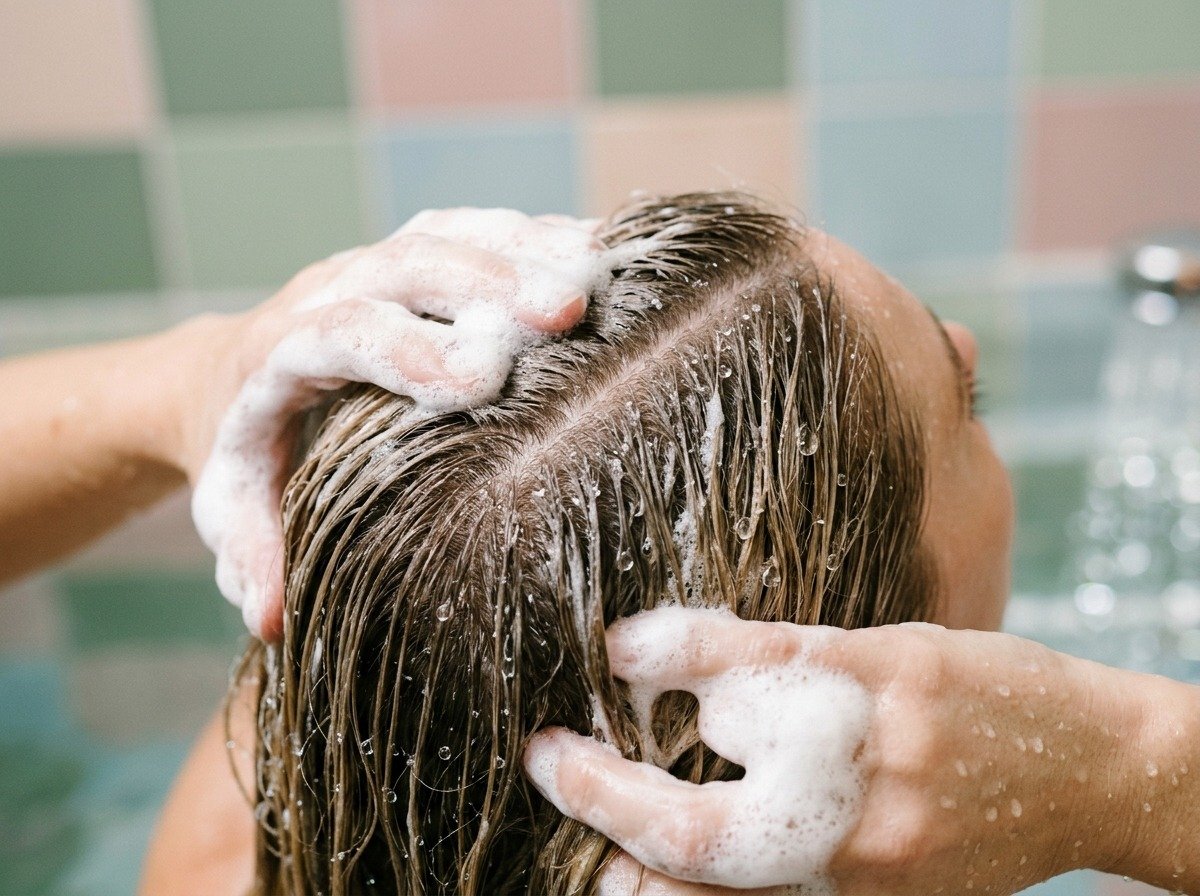
Opt for medicated shampoos containing active ingredients such as Zinc Pyrithione, Ketoconazole, Selenium Sulfide, or Salicylic Acid. Allow the lather to sit on the scalp for 3 to 5 minutes before rinsing thoroughly to ensure optimal efficacy of the active agents.
2. Avoid Scratching Your Scalp with Sharp Nails?
Scratching the scalp with fingernails can lead to open wounds, abrasions, and secondary bacterial infections. Use your fingertips to gently massage the scalp.
3. Regularly Clean Your Combs and Change Pillowcases?
Wash hair combs with warm, soapy water once a week and change pillowcases periodically to prevent fungal spores from resettling.
Consult a Specialist if the Problem Persists
If dandruff is accompanied by thick, red scales extending to the eyebrows and ears, seek immediate consultation with a dermatologist for the management of seborrheic dermatitis.
Dandruff Issues: Frequently Asked Questions (FAQ)
Can Coconut Oil Cure Severe Dandruff?
It’s advisable to avoid applying pure coconut oil if your dandruff is the “wet” type, as its fatty acids can actually feed the *Malassezia* fungus and worsen dandruff.
How Many Times a Week Should Anti-Dandruff Shampoo Be Used?
Use it 2 to 3 times a week when dandruff is severe, and reduce to once a week for maintenance after your scalp condition improves.
Why Does My Scalp Feel Itchier When I Sweat?
The salt content and high moisture in sweat can irritate an inflamed scalp barrier and activate itch receptors.