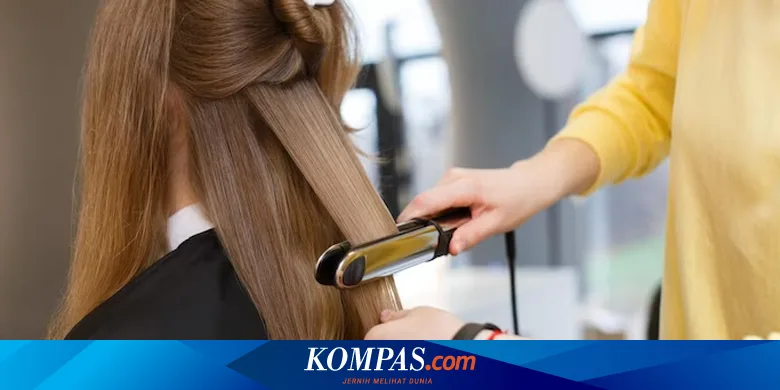
For many, the term “aging” is almost exclusively associated with facial skin concerns: fine lines, crow’s feet, or dark spots. However, from a dermatological perspective, our hair and scalp also undergo a similar biological aging process, known as hair aging. Unbeknownst to us, daily styling habits involving extreme heat and exposure to tropical UV radiation act as catalysts, accelerating the aging of hair strands far beyond our chronological age.
Hair aging isn’t solely marked by the appearance of white strands; it involves fundamental changes in textural integrity: hair becomes exceedingly fragile, dry, dull, loses elasticity, and gradually thins.
Understanding the Two Primary Mechanisms of Hair Aging
The aging process of hair is driven by two interacting factors:
- Intrinsic Aging (Internal Factors): Triggered by a natural decline in hormone production, reduced activity of melanocytes (pigment-producing cells) within hair follicles, and a slower rate of cell division in the hair matrix as we age.
- Extrinsic Aging (Environmental Factors): Initiated by external oxidative stress, primarily photodegradation from solar UV-A and UV-B radiation, urban free radical pollution, harsh chemical hair dyes, and the damaging heat from styling tools that compromise keratin disulfide bonds.
Visible Signs of Prematurely Aged Hair Strands
1. Loss of Elasticity and Susceptibility to Mid-Shaft Breakage
Young, healthy hair possesses natural resilience: it can be stretched slightly and return to its original shape without breaking. Aging hair loses this pliability because its cortex experiences chronic dehydration, rendering it brittle and prone to snapping like a dry twig when brushed.
2. Dull Hair Surface Lacking Light Reflection
The 18-MEA lipid layer coating the cuticle is eroded by solar free radicals, causing the cuticle scales to lift unevenly. Light striking the hair is scattered randomly, diminishing its natural luster.
3. Reduced Hair Shaft Diameter (Hair Thinning)
Aging hair follicles produce strands with a significantly thinner, hollower diameter, leading to a drastic reduction in overall hair volume when styled into a ponytail.
4. Dry and Irritation-Prone Scalp
Natural sebum production from sebaceous glands decreases over time, causing the scalp to lose its inherent moisture and become susceptible to itching or fine flaking.
Photoprotection for Tropical Hair:
We are diligent about applying sunscreen to our faces every morning, yet often forget that our scalp and hair receive the same intense UV radiation from above. Sunlight degrades tryptophan and cystine amino acids in hair keratin, triggering structural fragility. Wearing a UV-protective hat or spritzing a UV-filtered hair mist when outdoors is the best investment to prevent premature hair aging. — Salwa Salon Editorial Team
Anti-Aging Hair Prevention and Care Strategies
Adopt this restorative approach to maintain the vitality of your hair strands:
- Limit Heat Styling Tool Temperatures: Set flat irons to a maximum of 160 degrees Celsius (320 degrees Fahrenheit) and always apply a protective heat protectant spray containing silicones before styling.
- Regularly Use Antioxidant-Rich Masks: Provide weekly nourishment with hair masks containing Vitamin E, green tea extract, or argan oil to neutralize free radicals.
- Ensure Adequate Internal Nutrition: Consume foods rich in omega-3 fatty acids, biotin, zinc, and quality protein to support follicle strength from the dermal layer.
The Role of Antioxidant Nutrition in Maintaining Follicle Resilience
Slowing the rate of hair aging requires biological support from blood circulation:
- Omega-3 Fatty Acids and Vitamin C: Combat microscopic inflammation around the hair papilla and stimulate natural collagen production in scalp tissues.
- Iron and Ferritin: Ensure sufficient hemoglobin supply to deliver adequate oxygen molecules to the hair cell division matrix.
Frequently Asked Questions About Hair Aging (FAQ)
Can aged and brittle hair be fully restored?
Severely damaged hair shafts cannot regenerate on their own, but their condition can be significantly strengthened and softened using lipid and protein masks, while new follicles can be stimulated to grow thicker.
Is gray hair always a sign of hair aging?
Graying is primarily caused by a decrease in melanin pigment in hair follicles, heavily influenced by genetics. However, oxidative stress from pollution and smoking can accelerate its onset.
How often should anti-aging hair masks be used?
Use a concentrated, nourishing hair mask 1 to 2 times per week after shampooing to restore cortical moisture.
Are anti-aging shampoos truly effective?
Shampoos formulated with gentle moisturizers, peptides, and antioxidants help cleanse without stripping natural scalp lipids, creating an optimal environment for hair follicles.
Will plucking gray hairs cause more to grow?
It is not true that plucking gray hairs will multiply their number, as a single follicle produces only one strand of hair. However, repeated hair plucking can permanently damage the follicle, preventing hair from growing back.