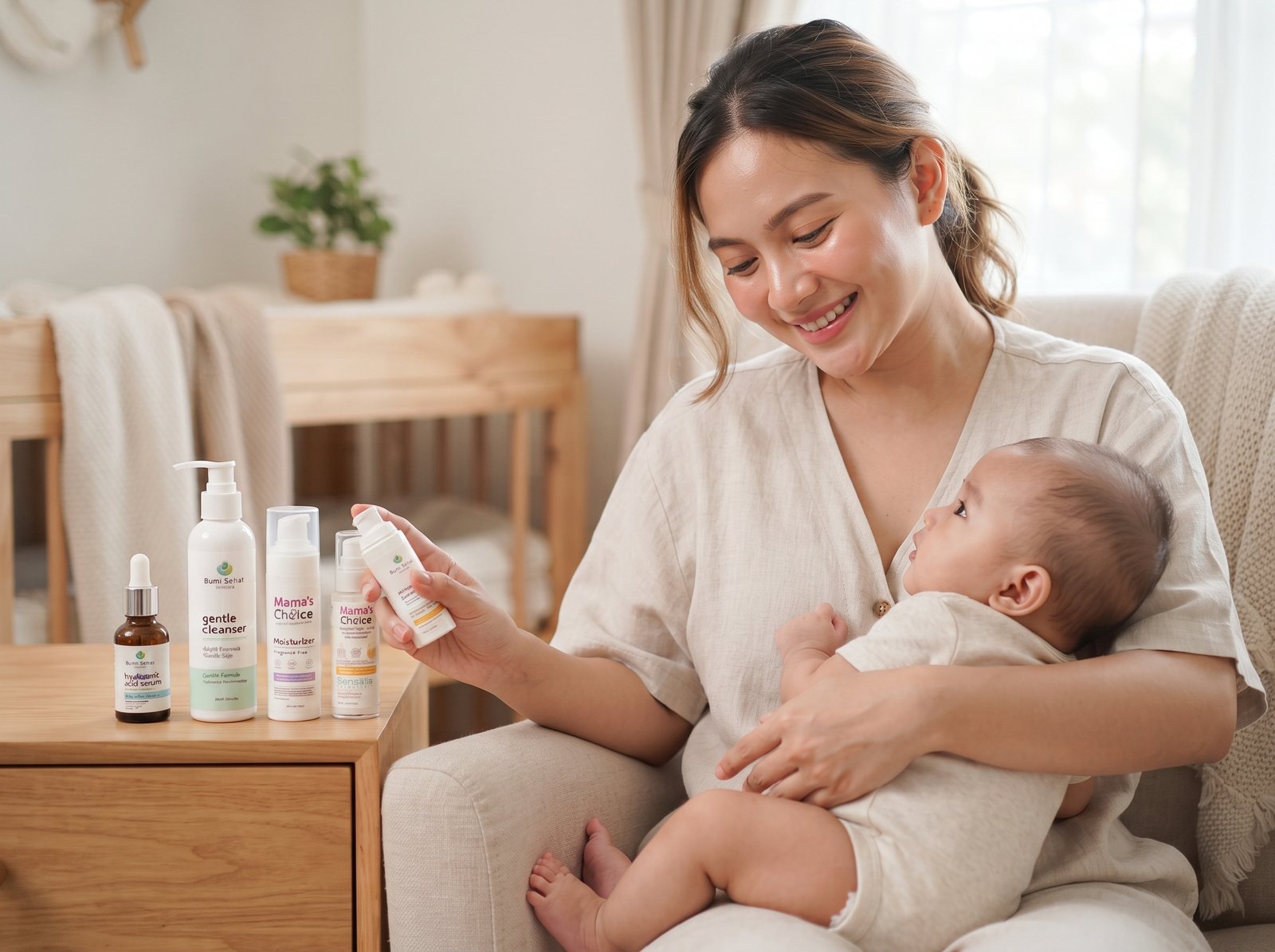
The periods of pregnancy and breastfeeding are special phases marked by drastic hormonal fluctuations. These biological changes frequently trigger new skin concerns, ranging from inflamed hormonal acne, pregnancy melasma, to suddenly hypersensitive skin.
Concerns about fetal safety and breast milk quality often make mothers hesitant to use facial care products. However, by understanding the list of ingredients to avoid and alternative ingredients that are safe for pregnant and breastfeeding individuals, maintaining healthy, naturally radiant skin is entirely achievable. Read on for the guide!
Skincare Ingredients to Strictly Avoid During Pregnancy and Breastfeeding
- Retinoids and Their Derivatives (Retinol, Tretinoin, Isotretinoin): High doses of topical vitamin A carry teratogenic risks that can harm fetal organ development.
- High-Concentration Hydroquinone: Possesses a high rate of systemic absorption into the mother’s bloodstream.
- High-Dose Salicylic Acid (BHA) (> 2%): It is advisable to avoid high-concentration leave-on products without medical supervision.
Proven Safe Active Ingredient Alternatives
1. Bakuchiol (A Natural Retinol Alternative)
Derived from the seeds of the Psoralea corylifolia plant, bakuchiol stimulates collagen production and skin cell regeneration with a remarkably gentle safety profile for both mother and fetus.
2. Azelaic Acid
An active ingredient highly effective in calming inflamed acne and diminishing melasma spots during pregnancy, thanks to its natural antimicrobial properties.
3. Niacinamide and Hyaluronic Acid
The ultimate combination for brightening dull complexions while locking in epidermal hydration without the risk of irritation.
4. Physical Sunscreen (Mineral Sunscreen)
Utilize sunscreens formulated with Zinc Oxide or Titanium Dioxide, which work by reflecting UV radiation on the skin’s surface without being absorbed into the bloodstream.
Defending the Skin Barrier Against Pregnancy Melasma:
“The surge in estrogen and progesterone hormones during pregnancy triggers melanocytes to become hyperactive, leading to melasma patches on the forehead and cheekbones. Do not be tempted by instant whitening creams containing mercury or high-dose hydroquinone, which are dangerous for the fetus. The key to prenatal skincare is defense: apply a physical sunscreen with zinc oxide every morning and reinforce hydration with a ceramide-rich moisturizer. Healthy, hydrated skin has better resilience against hormonal pigmentation without compromising the safety of your unborn child.” — Fatmawati Tahir
Pregnancy Skincare FAQs
Is it safe for pregnant women to use topical Vitamin C?
Absolutely. Moderately concentrated stable Vitamin C derivatives are safe for brightening dull spots and combating free radicals.
How can I manage itchy stretch marks?
Regularly apply natural oils rich in Vitamin E, such as sweet almond oil or shea butter, after showering to maintain the elasticity of skin fibers.
Are facials at beauty clinics safe for breastfeeding mothers?
Yes, provided you opt for non-invasive procedures like oxy-facials and cooling hydration masks, without the use of harsh chemicals.


Tinggalkan Balasan